2026 Mobile Recharge Price Hike in India What Changed, Why Prices Are Rising & What Users Should Know
India’s mobile users have started hearing a lot of discussion about a possible recharge price hike in 2026, and the concern is understandable. Mobile internet has become a daily necessity for communication, work, education, payments, and entertainment. So when prices are expected to rise, people naturally want to know what is actually happening and whether the news is genuine.
As of now, no sudden overnight hike has been officially announced, but telecom industry signals clearly suggest that mobile recharge plans are likely to become more expensive during 2026.
This expectation is based on statements from telecom companies, industry analysts, and financial reports related to network investment and operating costs.
Why a Recharge Price Increase Is Expected in 2026
India’s major telecom operators -Reliance Jio, Bharti Airtel, and Vodafone Idea are currently spending heavily on 4G maintenance and 5G expansion. Rolling out 5G networks across cities and towns requires large investments in spectrum, towers, fiber infrastructure, and technology upgrades.

Read This Article Also: Why Nimesulide Was Banned in India Safety Risks, Uses, and Facts Explanation
At the same time, telecom companies have been under pressure to improve revenue after years of intense price competition. Many low-cost plans were introduced earlier to attract users, but maintaining such cheap tariffs is no longer financially sustainable in the long term. As a result, companies are gradually moving toward higher-value recharge plans, which naturally leads to increased prices.
How Much Can Recharge Prices Increase?
Industry estimates indicate that recharge prices may rise by around 15% to 20% in phases during 2026. This does not mean all plans will suddenly become expensive on a single day. Instead, changes are expected to happen step by step, plan by plan.
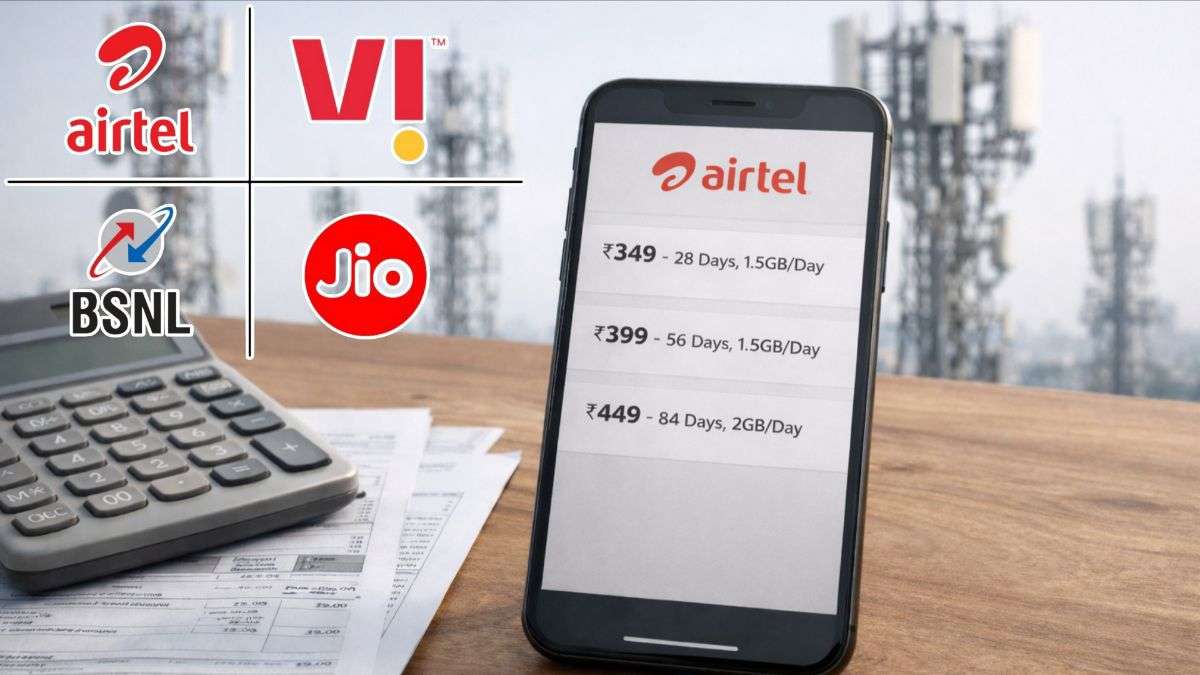
For example, a prepaid plan that currently costs around ₹299 or ₹349 may be revised upward in future updates, especially for plans that include unlimited calling, daily data, and 5G access. Long-validity and high-data packs are also likely to see adjustments as operators focus on increasing average revenue per user.
Which Users Will Feel the Impact Most?
The price hike, when implemented, will mainly affect:
- Prepaid users, who recharge frequently
- Heavy data users, especially those using 5G services
- Short-validity plan users, such as 28-day packs
Postpaid customers may also see revised monthly bills, though such changes are usually introduced with advance notice.
What Has Happened So Far?
Until now, telecom companies have mostly reduced benefits silently such as removing extra data, limiting add-ons, or promoting higher-priced plans instead of announcing sharp tariff hikes. This gradual approach suggests that 2026 price increases will be controlled and strategic, not sudden shocks.
Importantly, there is no government order forcing a recharge hike. Pricing decisions remain with private telecom operators, guided by market conditions and regulatory rules.
What Mobile Users Can Do
Consumers can take a few smart steps to manage costs:
- Compare plans carefully before recharging
- Consider long-term validity plans, which are often cheaper per month
- Avoid unnecessary add-ons if basic data and calling are enough
Keep an eye on official announcements through telecom apps and websites
Present Mobile Recharge Plans in India

Read This Article Also: January 1, 2026 New Rules in India What Is True and What Is Fake Fact Check
Conclusion: The 2026 mobile recharge price hike is not a rumor, but it is also not an emergency situation. Prices are expected to rise gradually as telecom companies balance network expansion, 5G rollout, and financial sustainability.
For users, this means slightly higher monthly costs in the future but with better coverage, faster internet, and more reliable services. Staying informed and choosing plans wisely will help users manage the impact without stress.
About The Author