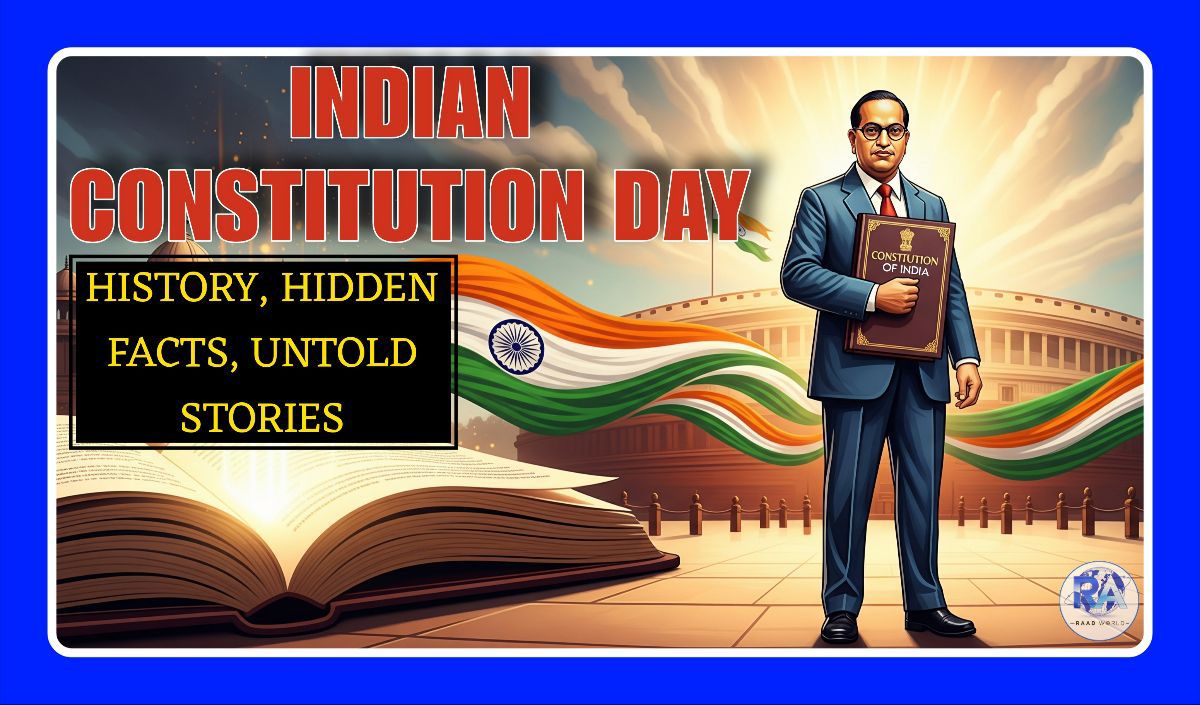
Every year on 26 November, India celebrates Constitution Day, also known as Samvidhan Divas. It’s not just a date on the calendar it’s the day India officially adopted the world’s longest written Constitution, a document that transformed a newly independent nation into the world’s largest democracy.
But beyond the textbooks, there are dozens of hidden stories, intense debates, sacrifices, and lesser-known facts that make this day truly special.
Let’s dive deep and understand the history, rare insights, and interesting facts behind Indian Constitution Day.
Why Do We Celebrate Constitution Day?
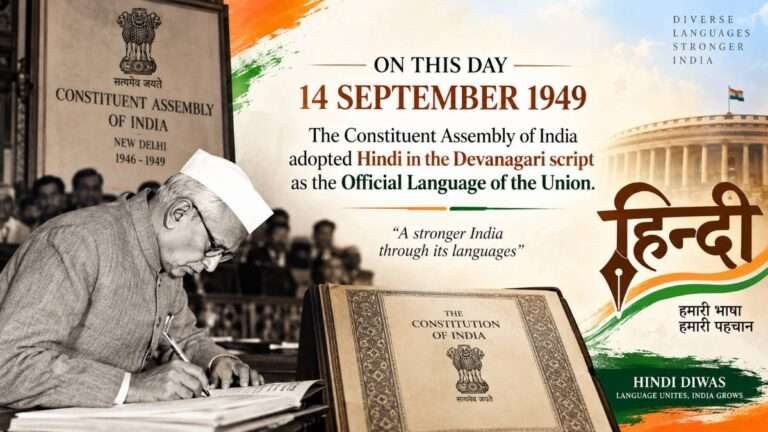
On 26 November 1949, the Constituent Assembly formally adopted the Indian Constitution.
The document came into full effect on 26 January 1950 a date chosen to honor the Lahore Session of 1930 where Purna Swaraj (complete independence) was declared.
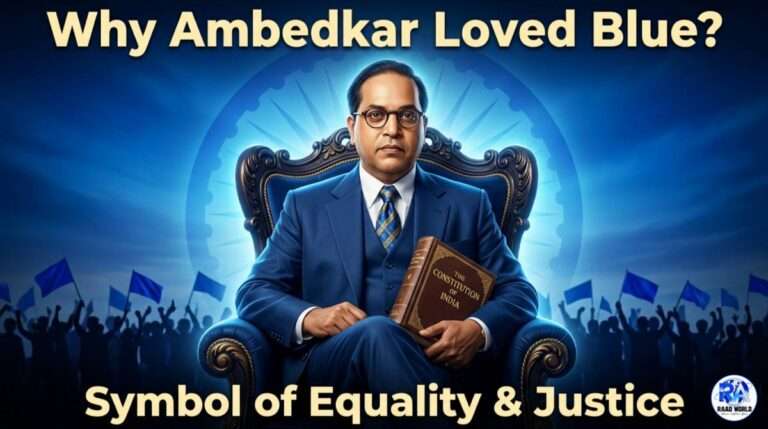
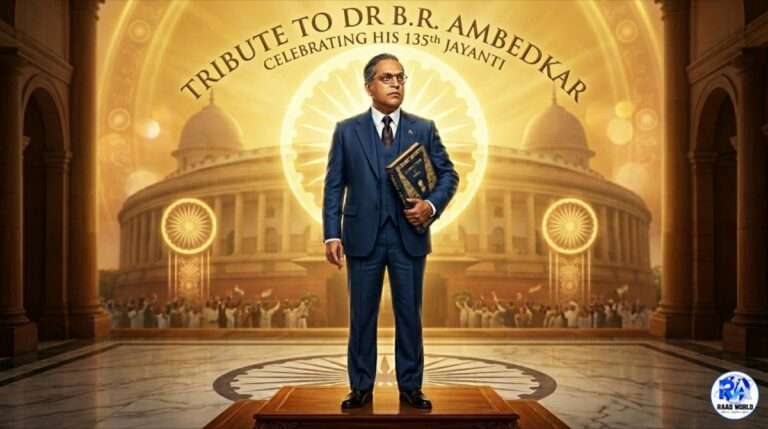
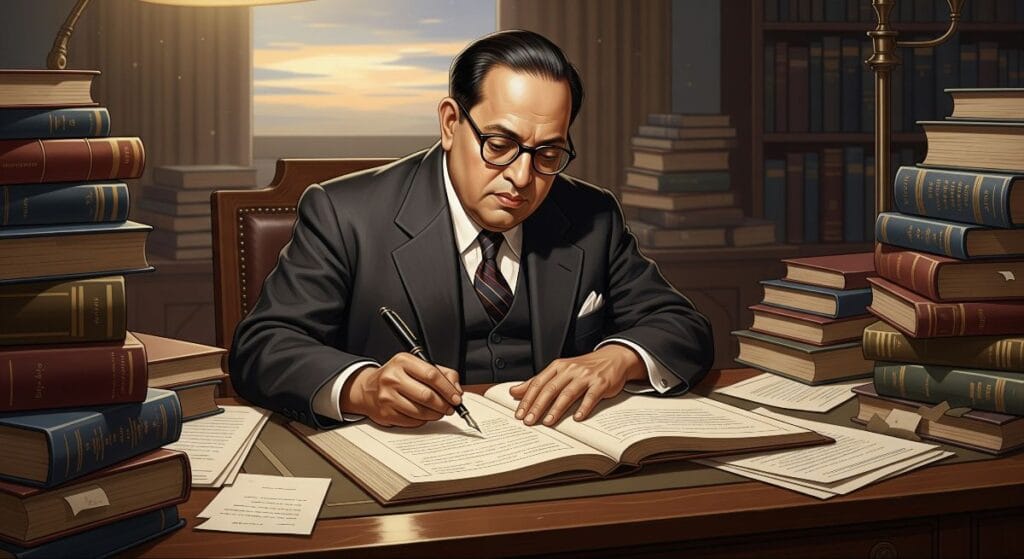
In 2015, Prime Minister Narendra Modi’s government officially declared 26 November as Constitution Day to spread awareness about the values of the Constitution and the vision of Dr. B.R. Ambedkar, the chief architect.
The Journey of Making the Constitution: Deep History
1. The Birth of the Constituent Assembly
- The idea of a Constituent Assembly was proposed in 1934 by MN Roy.
- Officially formed in 1946, it had 389 members, later reduced to 299 after Partition.
2. The Making: 2 Years, 11 Months, 18 Days
The members debated, argued, researched, and refined every article with patience and passion.
Dr. Ambedkar once said:
“We want a Constitution that is workable and flexible, but also strong enough to stand the test of time.”
3. Cost of Drafting
The total expenditure was ₹64 lakhs a huge amount at that time.

Hidden Facts & Lesser-Known Stories
These are not usually taught in schools, but they make the Constitution’s story truly fascinating.
1.The Handwritten Masterpiece
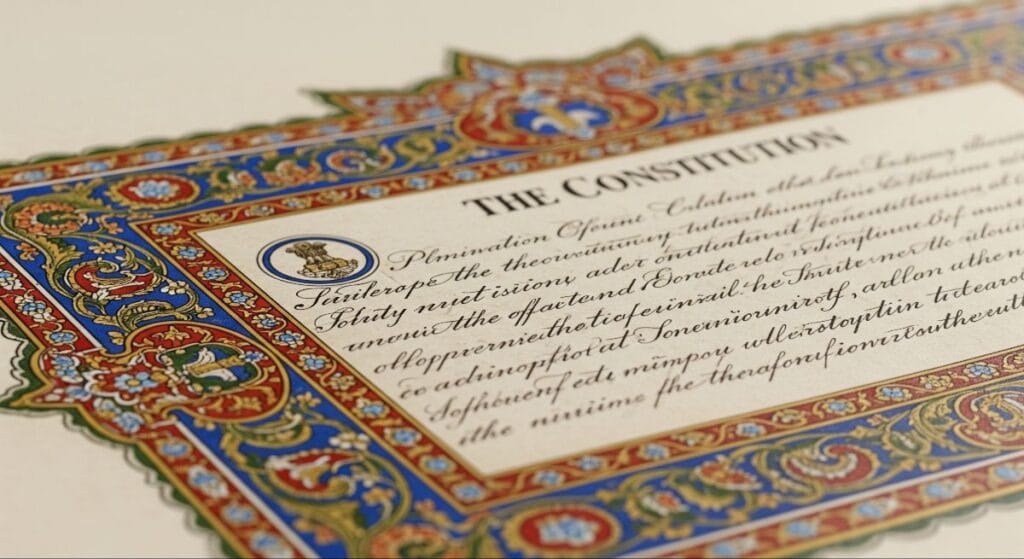
- The original Constitution is not printed it is handwritten in English by Prem Behari Narain Raizada.
- Each page is decorated by artists of Shantiniketan, following Indian art traditions.
2. Dr. Ambedkar Did Not Write It Alone
While Dr. Ambedkar was the principal architect, the Constitution is a result of the work of many minds:
- K.M. Munshi
- B.N. Rau
- Alladi Krishnaswamy Iyer
- Rajendra Prasad
- Jawaharlal Nehru
- Sardar Patel
- And dozens of other brilliant scholars and freedom fighters.
3. The Longest Constitution
- It originally had 395 Articles, 22 Parts, and 8 Schedules.
- Today it has 470+ Articles, the longest in the world.
4. Borrowed But Beautified
The Indian Constitution is one of the greatest examples of intellectual borrowing:
- Fundamental Rights → USA
- DPSPs → Ireland
- Parliamentary System → UK
- Concurrent List → Australia
- Emergency Provisions → Germany
But India adapted everything to its own needs. It’s a “mix” only in structure in spirit, it’s purely Indian.
5. Article 370 & 35A Removal
The Constitution is a living document. The abrogation of Article 370 in 2019 changed the constitutional relationship between India and Jammu & Kashmir a major historical moment.
6. Every Signature Represents a Region
On the final page of the Constitution, the signatures of the members appear according to geographical grouping, symbolizing unity in diversity.
7. No “India is a secular country” in 1950
The words “Socialist” and “Secular” were added later in 1976 through the 42nd Amendment.
8. The Longest Debate Was on Minority Rights
It lasted several days; members passionately argued about safeguards, reservations, and cultural protections.
What Makes Our Constitution Special?
1. Protects Fundamental Rights
Freedom, equality, dignity, education, and justice every right is safeguarded.
2. Gives Power to the People
India is a Sovereign, Democratic Republic:
The power lies with its people.
3. Ensures Balance
It balances:
- Liberty & Order
- Individual Rights & Social Responsibility
- Parliament & Judiciary
- Centre & States
4. A Living, Breathing Document
Over 100+ Amendments show that the Constitution evolves with time.
Why Constitution Day Matters Today
In today’s fast-moving world of technology, social media, and rapid modernization, the Constitution is not just a document it’s the moral compass of the nation.
It teaches:
- equality
- justice
- fraternity
- freedom
- respect for diversity
And reminds us that rights come with responsibility.
My Final Conclusion :
Our Constitution is much more than ink on parchment it is the soul of India.
Every Article has a heartbeat, every Right has a purpose, and every Duty has a deeper meaning.
Dr. Ambedkar didn’t just give us a legal text; he gave us a vision of a nation rooted in dignity, harmony, and courage.
On this Constitution Day, let us not only remember the makers of the Constitution but also awaken the inner citizen within us.
Because the true strength of the Constitution does not lie in the book it lives in the hearts of the people who practice it with honesty and unity… Jai Hind
About The Author