The pressure of examination season often creates a paradox: the very practice that sustains your spirit meditation, yoga, reflection, and spiritual discipline feels like a luxury you can no longer afford. Yet this perception contradicts ancient wisdom and contemporary research.
Spirituality is not an obstacle to academic excellence; it is a foundation for it. When integrated thoughtfully, spiritual practices amplify your focus, resilience, and retention while transforming exam preparation from a source of anxiety into an opportunity for inner growth.
This article explores how to maintain spiritual consistency during intense exam preparation, turning what appears to be a conflict into a unified path toward both academic and spiritual mastery.
Understanding the Deeper Problem
The Illusion of Trade-Off
Most students experience exam season as a forced choice: sacrifice meditation for study time, abandon early morning pranayama for extra sleep, or postpone yoga for last-minute revision. This creates a fragmented approach where spirituality is seen as separate from academics, rather than as the foundation that makes learning effective.
The truth is more nuanced. A mind clouded by stress, distraction, and emotional turbulence cannot absorb or retain information efficiently. By contrast, a spiritually anchored mind calm, focused, and purpose driven processes information more effectively. The Bhagavad Gita teaches this principle through the concept of our Karma Yoga, where disciplined action aligned with spiritual values produces superior results.
Read This Article Also : Real Sigma Meaning: Authentic Masculinity vs Social Media Toxicity
Why Consistency Matters More Than Intensity
Students often think they must choose between two extremes: either maintain their full spiritual routine (which feels unrealistic) or abandon it entirely for exam season (which creates internal conflict and guilt). Neither extreme serves you.
Consistency, even at a reduced scale, maintains the momentum of your spiritual practice. A 10-minute meditation is infinitely more valuable than abandoning the practice for months and attempting to restart with an ambitious 45-minute session. The brain rewards regular patterns. Spiritual consistency trains your nervous system to stay regulated, which directly enhances your ability to study effectively.
The Scientific and Philosophical Foundation:
How Spirituality Enhances Academic Performance
Recent research confirms what yogic philosophy has taught for millennia: spiritual practices directly improve cognitive function. Here’s how:
1. Stress Reduction and Mental Clarity
Meditation activates the parasympathetic nervous system, reducing cortisol levels. A calm nervous system allows your prefrontal cortex (the learning center) to function optimally. During exams, this translates to clear thinking and confident recall.
2. Enhanced Focus and Attention
Pranayama (controlled breathing) increases oxygen supply to the brain. By consciously directing breath, you enhance oxygenation to deeper lung tissues, improving mental clarity. Students practicing pranayama regularly report improved attention spans and deeper study absorption.
3. Memory Retention
Spiritual disciplines like meditation and energy conservation through brahmacharya (disciplined living) preserve mental and vital energy. This conserved energy channels directly into memory formation. Students practicing sattvic (pure) living often report superior memory retention and faster information recall.
4. Emotional Resilience
Spiritual practice cultivates equanimity the ability to remain balanced regardless of circumstances. This resilience prevents exam anxiety from spiraling into panic, allowing you to approach difficult questions with composure rather than fear.
The Integrated Daily Routine: Balancing Spiritual Practice with Exam Preparation
The Sacred Morning: Setting the Tone for Deep Learning
Your morning establishes the quality of your entire day. A spiritually anchored morning doesn’t require hours it requires intention.
Recommended Morning Sequence (30-40 minutes):
- Early Rising (4:30-5:00 AM) : The hours before dawn are considered the most conducive to spiritual practice and deep learning. The mind is naturally quieter, and external distractions are minimal. Waking early isn’t about suffering; it’s about claiming your most productive hours before the world’s noise begins.
- Mindful Ablution (5:00-5:15 AM) : Before meditation, cleanse yourself with warm water. This isn’t merely physical; it symbolizes releasing yesterday’s mental clutter. Dry yourself thoughtfully, using this time to settle your mind.
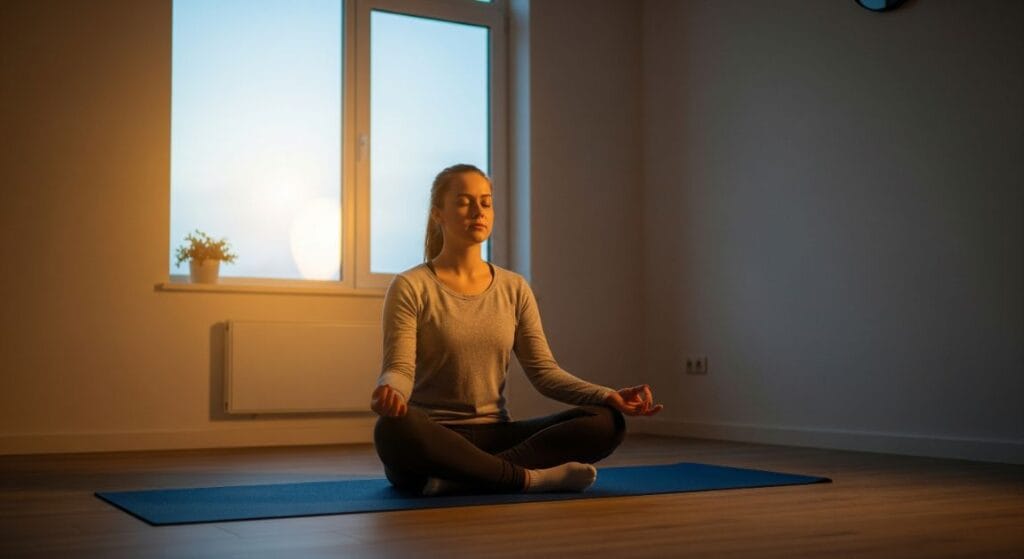
- Meditation and Pranayama (5:15-5:35 AM) : Begin with 5-10 minutes of mindful breathing (Ujjayi or simple nostril breathing). Focus completely on your breath, allowing thoughts to pass without judgment. If you have 20 minutes, dedicate the second half to meditation on a chosen subject your exam, a spiritual ideal, or simply observing the mind’s nature.
The practice works like this:
- Sit in a comfortable, upright position
- Close your eyes gently
- Focus on your natural breath
- When your mind wanders (it will), gently return focus to breath without frustration
- End with gratitude for the time you’ve gifted yourself
This meditation doesn’t need to be “perfect.” Five minutes of genuine, undistracted meditation is superior to thirty minutes where you’re mentally lost.
- Morning Intention Setting (5:35-5:40 AM)
Before stepping into your day, consciously set an intention. This differs from a goal. A goal says “I will score 95%.” An intention says “I will study with complete focus and trust the outcome.” This subtle shift removes anxiety while maintaining commitment. - Light Physical Movement (5:40-6:00 AM)
Your body is designed for movement. Whether it’s 10 minutes of yoga, gentle stretching, or a mindful walk, activate your physical system. This increases circulation, energizes your mind, and grounds you in your body before intense mental work. - Sattvic Breakfast (6:00-6:30 AM)
Eating mindfully and eating the right foods shapes your entire day. A sattvic breakfast includes: - Fresh fruits (berries, bananas, apples)
- Whole grains (oatmeal, brown rice porridge)
- Dairy products in moderation (milk, yogurt)Natural sweeteners (honey, jaggery)
- Warm beverages (herbal tea, milk with turmeric)
Avoid processed foods, refined sugars, and stimulants that create energy crashes mid-study. When eating, eliminate screens and distractions. Chew slowly. This isn’t wasting time; this is fueling yourself for deep intellectual work.
Study Blocks: The Spiritually Integrated Approach
The secret to sustainable exam preparation is not studying for 12 hours straight; it’s studying for 3-4 focused hours where every minute is absorbed.
The Pomodoro Technique Meets Spiritual Practice:
- Study Session: 25-30 minutes of complete, undistracted focus on one subject
- Break: 5 minutes – Stand, stretch, breathe. Don’t check your phone.
- After 3-4 cycles: Extended break (15-20 minutes) – Meditate briefly, step outside, do 10 pushups, drink water
This approach prevents burnout because it respects your nervous system’s natural rhythms. After 25 minutes, your focus naturally wavers. Rather than fighting this, honor it with a break. This is discipline, not laziness.
Key principle: Your goal is not to study more hours; it’s to make each hour count. A student who studies 3 focused hours daily will outperform a student who studies 8 distracted hours.
Midday Renewal: Maintaining Momentum
By midday, mental fatigue sets in. Rather than pushing through fatigue with caffeine and stress, intervene spiritually.
- Lunch Mindfulness (12:00-1:00 PM)
Eat lightly a sattvic lunch of vegetables, whole grains, and legumes. Avoid heavy or fried foods that induce lethargy. Eat with gratitude, setting aside 30 minutes minimum for this meal. Your digestive system requires attention; when you eat while studying or stressed, your body cannot digest properly. - Midday Meditation (1:00-1:15 PM)
A 10-15 minute meditation resets your nervous system. This is not laziness; this is maintenance. Think of it as defragmenting your mental hard drive. After meditation, your subsequent study sessions will be far more productive. - Gentle Movement (1:15-1:30 PM)
Yoga asanas (poses) specific to concentration like Bhramari (bee breathing) or child’s pose settle an agitated mind and enhance focus. Even 10 minutes of conscious stretching releases accumulated tension.

Evening Integration: Study with Reflection
As evening approaches, the quality of your study shifts. While morning sessions are ideal for learning new concepts, evening is perfect for revision and consolidation.
- Evening Study Session (3:00-6:00 PM)
Dedicate this block to practicing problems, reviewing notes, or teaching concepts to an imaginary student (a powerful learning technique). Your brain is primed for retention and application during this window. - Pre-Dinner Transition (6:00-7:00 PM)
Never study through dinnertime. Stop studying 1-2 hours before sleep. This allows your mind to transition from work mode to rest mode. Use this time for light reading, reflection, or family time. - Sattvic Dinner (7:00-8:00 PM)
Eat early and lightly. Your digestive system should be nearly finished processing food before you sleep. Include warming spices like turmeric and cumin to support digestion.

Night Routine: Preparing for Restorative Sleep
Sleep is when learning consolidates into long-term memory. Protecting your sleep is as important as protecting your study time.
- Evening Reflection (8:00-8:30 PM)
Spend 15-20 minutes reflecting on your day. What did you learn? What was challenging? What are you grateful for? This isn’t worrying; this is conscious integration. Your subconscious mind will process these reflections during sleep. - Digital Sunset (8:30 PM onwards)
Remove all screens phones, tablets, computers. The blue light suppresses melatonin production, destroying your sleep quality. Use this time for reading, gentle stretching, or sitting in silence. - Pre-Sleep Ritual (9:00-9:30 PM)
Create a consistent ritual that signals your body: sleep is coming. This might include: - A warm bath or shower
- Reading a spiritual text or inspiring passage
- Writing a gratitude journal
- Gentle pranayama or body scan meditation
Sleep (9:30 PM – 4:30 AM)
Aim for 7-8 hours. During exams, resist the temptation to sacrifice sleep. Sleep deprivation reduces memory retention, cognitive function, and emotional resilience defeating the purpose of staying up late to study. A rested brain outperforms an exhausted one, every time.

Energy Conservation: The Brahmacharya Principle for Exam Season
Brahmacharya, often misunderstood as mere celibacy, actually means disciplined living aligned with spiritual purpose. For exam preparation, it means consciously conserving your vital energy for what matters most.
What Drains Your Energy
- Digital Distraction
Social media, YouTube, and endless scrolling fragment your attention and create constant low-level stress. Each notification triggers a dopamine spike and subsequent crash. During exam season, treat social media like a drug avoid it entirely if possible, or schedule it for one specific 15-minute window per day. - Negative Company
Spending time with people who promote anxiety, gossip, or distraction drains your vital energy. Politely reduce contact during exam season. Seek company that inspires and supports your goals. - Late-Night Stimulation
Movies, intense conversations, or stressful news before bed activate your nervous system precisely when it should be preparing for rest. Protect your evenings with conscious boundaries. - Poor Dietary Choices
Junk food, excess sugar, and heavy meals create a foggy, sluggish mind. Each poor food choice is an investment in mediocrity. - Excessive Social Obligation
During exams, it’s acceptable to politely decline social invitations. Your spiritual practice includes honoring your commitments to yourself and your education.
What Builds Your Energy
- Sattvic Food
Fresh, whole, minimally processed foods leave you feeling light and energized. Your brain works better on stable blood sugar from complex carbs than on the spike-and-crash of processed foods. - Early Rising
Waking before dawn gives you peaceful, productive hours. These hours feel like a gift, like you’ve added extra time to your day. - Purposeful Movement
Yoga, walking, or stretching specifically practice discipline. They’re not “exercise breaks”; they’re spiritual practice that coincidentally strengthens your body. - Minimal Consumption
Reduce unnecessary consumption not just of food, but of information, entertainment, and sensory input. This simplification creates mental clarity. - Focused Action
Every hour you spend in complete focus builds your capacity for focus. This isn’t psychological; consistent focused action literally rewires your brain’s attention circuits.

Addressing the Core Challenges: Deep Practical Solutions
Challenge 1: “I Don’t Have Time for Spiritual Practice and Exam Prep”
- The Reframe:
Spiritual practice isn’t separate from exam prep. It’s the foundation that makes exam prep effective. You’re not choosing between two activities; you’re choosing between an integrated approach (less total time, better results) and a fragmented approach (more total time, worse results). - The Math:
– Approach A: Study 8 distracted hours + 0 meditation = 8 hours of low-retention work
– Approach B: Study 4 focused hours + 20 minutes meditation = 4 hours of high-retention work + clearer mind for subsequent study
Which yields better results? B, consistently. - The Practice:
Integrate spiritual practice into exam prep:
– Start study sessions with 2 minutes of breath awareness (makes subsequent study 30% more effective)
– Use study breaks for pranayama instead of scrolling (actual rest, not pseudo-rest)
– End study days with 5 minutes of gratitude reflection (consolidates learning and prevents anxiety)
Challenge 2: “My Spiritual Practice Feels Disrupted During Exams”
- The Perspective:
Your practice isn’t disrupted; it’s transforming. During exam season, your spiritual practice becomes practical. Learning mathematics with complete focus is a form of meditation. Accepting that you don’t know something without judgment is spiritual equanimity. - The Principle:
The Bhagavad Gita teaches that work performed as an offering to the divine, with complete dedication but detachment from results, is the highest spiritual practice. Apply this to exam prep: study with complete focus, offer your effort to your growth, and trust the results. - The Practice:
– Before each study session, silently affirm: “I study with complete focus, trusting that my effort will yield results. The outcome is not entirely in my control, and I accept this with peace.”
– After each study session: “I have done my best. I am grateful for what I learned and for the opportunity to grow.”
This transforms exam prep from anxiety-driven scrambling into purposeful, spiritually anchored action.
Challenge 3: “I Keep Breaking My Discipline”
- Understanding the Pattern:
Willpower is finite. Relying on willpower alone to maintain discipline leads to burnout. Instead, design your environment to support discipline automatically. - The Design:
– Keep your study space clean and free of distractions
– Set your phone to airplane mode during study sessions
– Prepare your meals the night before so healthy eating requires no decision-making
– Schedule your wake time as non-negotiable, like a doctor’s appointment
– Create accountability by telling a friend your study schedule - The Wisdom:
Discipline is not about forcing yourself to suffer. Discipline is about designing a life where the right choice is also the easy choice. When your environment supports your intentions, maintaining discipline becomes natural.
The Spiritual Framework: Working with Your Mind, Not Against It
The Three Gunas and Exam Preparation
Vedic philosophy describes three qualities (gunas) that color all experience:
- Tamas (Inertia, Darkness): Procrastination, distractions, heaviness, resistance to study. Tamasic states include oversleeping, consuming junk food, and endless scrolling.
- Rajas (Activity, Passion): Intense ambition, anxiety, restlessness, forcing yourself to study despite exhaustion. Rajasic states include last-minute cramming, panic, and studying through fatigue.
- Sattva (Harmony, Light): Clear focus, peaceful effort, resilience, learning with curiosity. Sattvic states include morning meditation before study, steady daily progress, and calm confidence.
- Your Goal During Exams: Spend as much time as possible in sattvic states. This doesn’t require perfection. It requires small, consistent choices:
Choose sattvic food over tamasic food - Choose morning study over late-night panic (rajas)
- Choose meditation over numbing distraction (tamas)
- Choose purposeful effort over anxious forcing (rajas)
Each choice accumulates. A day of sattvic choices feels fundamentally different from a day of tamasic or rajasic choices. Your mind is clearer, your retention is better, and your resilience is stronger.
The Karma Yoga Approach to Exams
Karma Yoga teaches that excellence comes from performing your duty with complete focus while surrendering the results to forces beyond your control. Applied to exams:
Do:
- Prepare thoroughly and consistently
- Study all topics with equal diligence
- Practice regularly and test yourself honestly
- Sleep well, eat well, and protect your health
Don’t Do:
- Obsess over the final score before the exam
- Compare your preparation to others’ preparation
- Study because you’re terrified of failure
- Sacrifice fundamentals (sleep, nutrition, sanity) for last-minute studying
Result:
When you separate your effort from your outcome, something shifts. You study better because you’re not paralyzed by anxiety about results. You perform better because you’re calm and focused rather than desperate and scattered.
Practical Templates: Daily and Weekly Schedules
Minimal-Time Schedule (For Heavy Exam Load)
- 5:00-5:20 AM: Breathwork and meditation (focus, no distractions)
- 5:20-5:50 AM: Light yoga or stretching
- 5:50-6:30 AM: Sattvic breakfast
- 6:30-12:30 PM: Study (Pomodoro technique: 25 min study, 5 min break)
- 12:30-1:30 PM: Lunch and rest
- 1:30-6:00 PM: Study continuation
- 6:00-7:30 PM: Physical movement, dinner, family time
- 7:30-9:00 PM: Reflection, reading, light activity
- 9:00-9:30 PM: Pre-sleep ritual
- 9:30 PM-5:00 AM: Sleep
Time Investment: 20 min meditation/pranayama, 30 min yoga, 5.5 hours focused study = integrated excellence, not fragmentation.
Ideal Schedule (With Balanced Lifestyle)
- 4:30-5:00 AM: Rising, ablution, intention-setting
- 5:00-5:30 AM: Pranayama and meditation
- 5:30-6:30 AM: Yoga practice
- 6:30-7:15 AM: Sattvic breakfast
- 7:15-9:30 AM: Study Block 1
- 9:30-9:45 AM: Break with breathwork
- 9:45-12:30 PM: Study Block 2
- 12:30-1:30 PM: Lunch, reflection, midday meditation
- 1:30-4:00 PM: Study Block 3
- 4:00-5:00 PM: Physical activity, tea, light reading
- 5:00-7:00 PM: Revision or practice problems
- 7:00-8:00 PM: Dinner, family time
- 8:00-9:00 PM: Evening reflection, spiritual reading
- 9:00-9:30 PM: Pre-sleep ritual, gratitude
- 9:30 PM-4:30 AM: Sleep
Weekly Structure:
- Monday-Friday: Above schedule
- Saturday: Review and complete any incomplete work
- Sunday: Rest day with light review only (this prevents burnout and maintains long-term consistency)
Content Originality Statement:
All articles, explanations, analyses, and insights published on this website are entirely original and created through my own research, understanding, and writing. No content is copied, reproduced, or taken from any external source. Every post is written in a clear, human, and meaningful way to provide accurate, valuable information for readers. If external references or data are used, they are properly interpreted and rewritten in my own words. This platform is committed to maintaining authenticity, originality, and high-quality educational content at all times.
Conclusion:
In the end, remember one thing success is never about choosing between studies and spirituality. It’s about learning how to walk with both. When your mind is calm, your studies become sharper. When your heart is steady, your preparation becomes stronger. Don’t chase results with fear. Build yourself with discipline. Give your best, trust the process, and let the outcome flow naturally. Exams will come and go, but the habits you build and the peace you carry will stay with you forever. Stay focused, stay grounded, and keep moving with confidence one step with effort, one step with inner balance. Your journey becomes powerful the moment you decide to grow from the inside first.
Read This Article Also :
About The Author





 Creator Adarsh