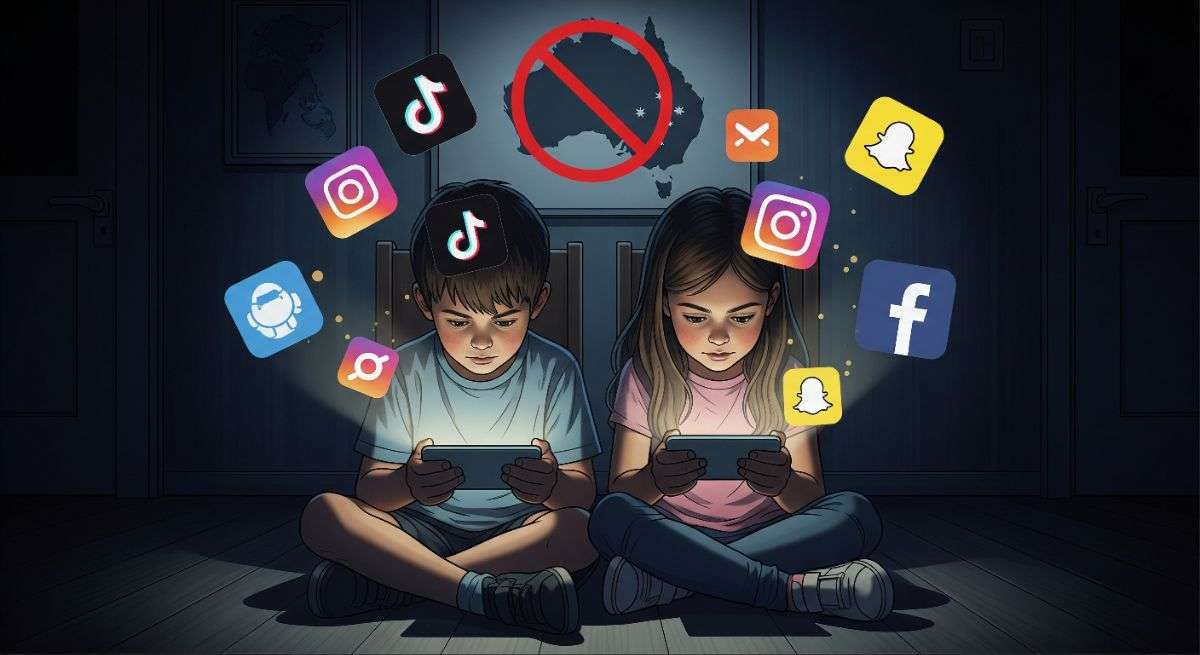
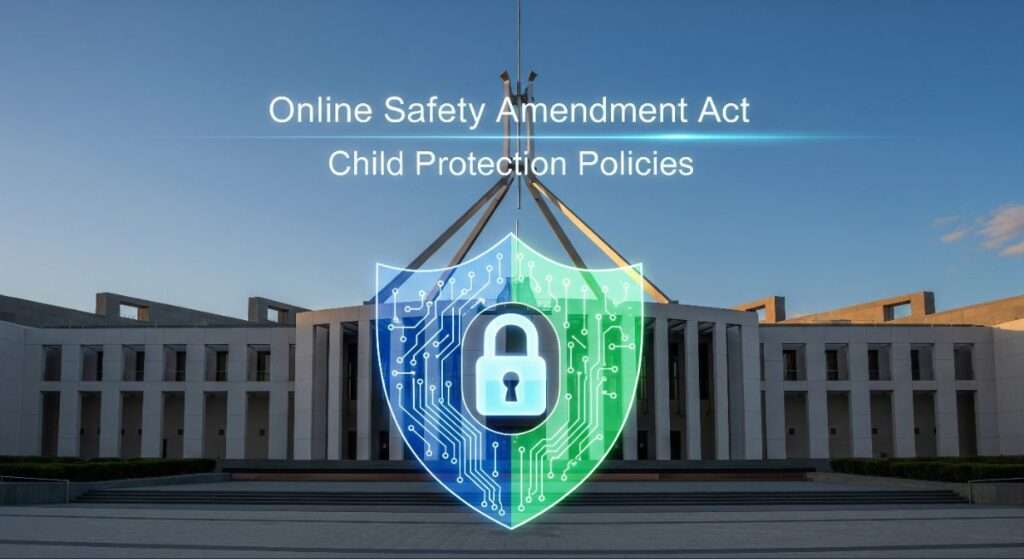
In a bold and controversial step, Australia has moved toward becoming the first country in the world to introduce a nationwide ban on social media access for children under 16. The proposal pushed under amendments to the Online Safety Act has triggered huge discussions around parenting, mental health, freedom of expression, and digital safety.
But behind this dramatic decision lies a combination of scientific evidence, rising public concern, and years of complaints about how social media platforms are affecting young minds. Australia argues that children today are growing up in an online world that is simply not safe for them.
This article explains the real reasons, hidden concerns, and deeper analysis behind Australia’s move.
1. Rising Mental Health Crisis Among Teenagers
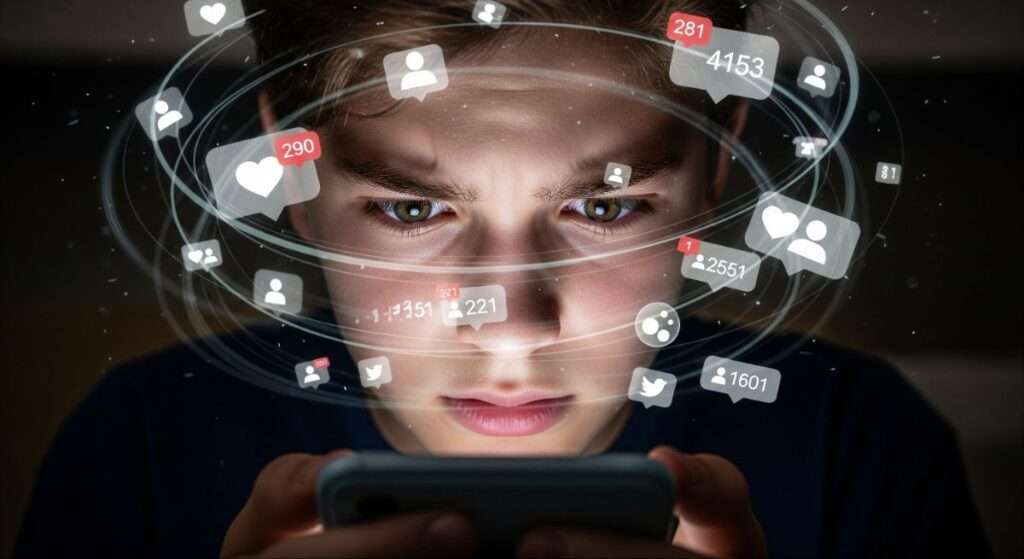
One of the strongest motivations behind the proposed ban is the sharp increase in mental health issues among children aged 10–16. Studies conducted by multiple Australian universities and health agencies show:
- Higher rates of anxiety, depression, and loneliness among frequent social media users
- Sleep disturbances caused by late-night scrolling
- Comparison culture leading to body-image issues
- Increased self-harm ideation among teens experiencing cyberbullying
Experts say the teenage brain is still developing and becomes highly vulnerable to algorithm-driven content that encourages comparison, addiction, and emotional instability.
2. Alarming Rise of Cyberbullying and Harassment
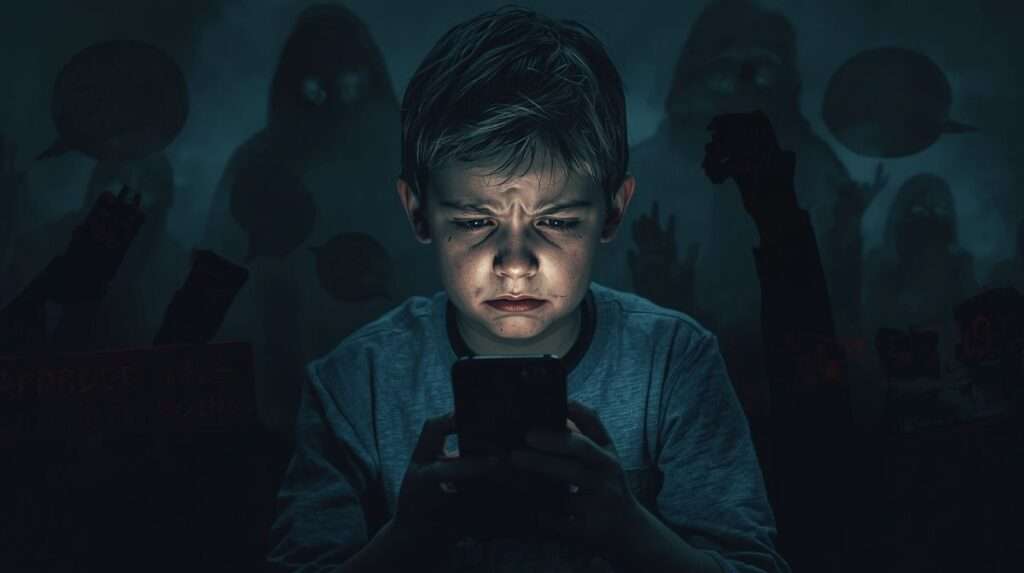
Australia’s eSafety Commissioner has repeatedly highlighted a disturbing trend:Children under 16 are increasingly reporting online bullying, threats, harassment, and hate messages.
Platforms like Instagram, Snapchat, and TikTok are hotspots for:
- Fake accounts created to target classmates
- Circulation of humiliating photos or memes
- Group bullying through private chats
- Digital peer pressure and shaming
These incidents often spill into school life, affecting a child’s confidence, behaviour, and academic performance.Authorities argue that banning early access may drastically reduce such psychological harm.
3. Exposure to Explicit and Harmful Content
No matter how many “safety filters” platforms claim to have, children still encounter:
- Violent videos
- Adult content
- Self-harm and suicide content
- Drug or alcohol-related posts
- Misinformation and dangerous trends
The Australian government believes social media companies haven’t done enough to protect minors.Children are often exposed to content that they are emotionally not equipped to handle.
4. Addictive Algorithms Designed for Adults, Not Children
Social media platforms spend billions perfecting algorithms whose only job is: Keep users hooked as long as possible.
For children, this becomes especially dangerous because:
- Their impulse control is still developing
- Dopamine addiction forms quickly
- Endless scrolling damages concentration
- It affects academic performance and real-life relationships
The ban is an attempt to break this “digital addiction cycle” at an early age.
5. Data Privacy and Surveillance Concerns
A lesser-discussed but extremely important reason Children unknowingly share personal data, which is then stored, analysed, and even used for targeted advertising.
Young users often:
- Share real locations
- Upload personal photos
- Reveal school, age, hobbies
- Accept strangers’friend requests
Australia’s policymakers argue that children cannot fully understand the consequences of giving away such sensitive data.
6. Protection Against Online Predators and Grooming
Authorities have recorded increasing cases of:
- Adults posing as teenagers
- Grooming through private chats
- Attempts to meet minors offline
- Manipulation through gifts or compliments
This threat is one of the biggest factors behind the ban.Law enforcement agencies say social media platforms cannot fully prevent these interactions, even with verification systems.

7. Parents Losing Control Over Children’s Digital Lives
Many parents today feel helpless because children:
- Hide apps
- Use secret accounts
- Spend excessive time online
- Become aggressive when phones are taken away
The government believes the ban will support parents and give families more offline bonding time, reducing digital conflict and dependence.
8. Push for Digital Literacy and Age-Verifiable Access
Australia is also working on a new system requiring platforms to verify a user’s age through:
- Government-approved ID checks
- Facial recognition (controversial but under discussion)
- Third-party verification tools
The aim is not only banning under-16s but making the internet safer and more controlled for all youth in the long term.
Read This Article Also: Zoho Founder Sridhar Vembu Sparks Debate: “No Degree Required for Jobs at Zoho”
Conclusion: Australia’s decision is not just about restricting technology it’s about protecting the next generation from mental, emotional, and social harm.The proposed ban reflects a growing global concern Are children being exposed to a digital world too early and too fast?
Supporters say it will reduce mental health issues, bullying, and online dangers.Critics warn it may restrict freedom and be difficult to enforce.
What is clear, however, is that Australia’s move has started a worldwide conversation about how young is too young for social media. The coming years will show whether this bold experiment becomes a model for other countries or sparks further debate on children’s digital rights.
About The Author