Why Akshaye Khanna’s Entry Song “FA9LA / Sher-e-Baloch” from Dhurandhar Went Viral Meaning
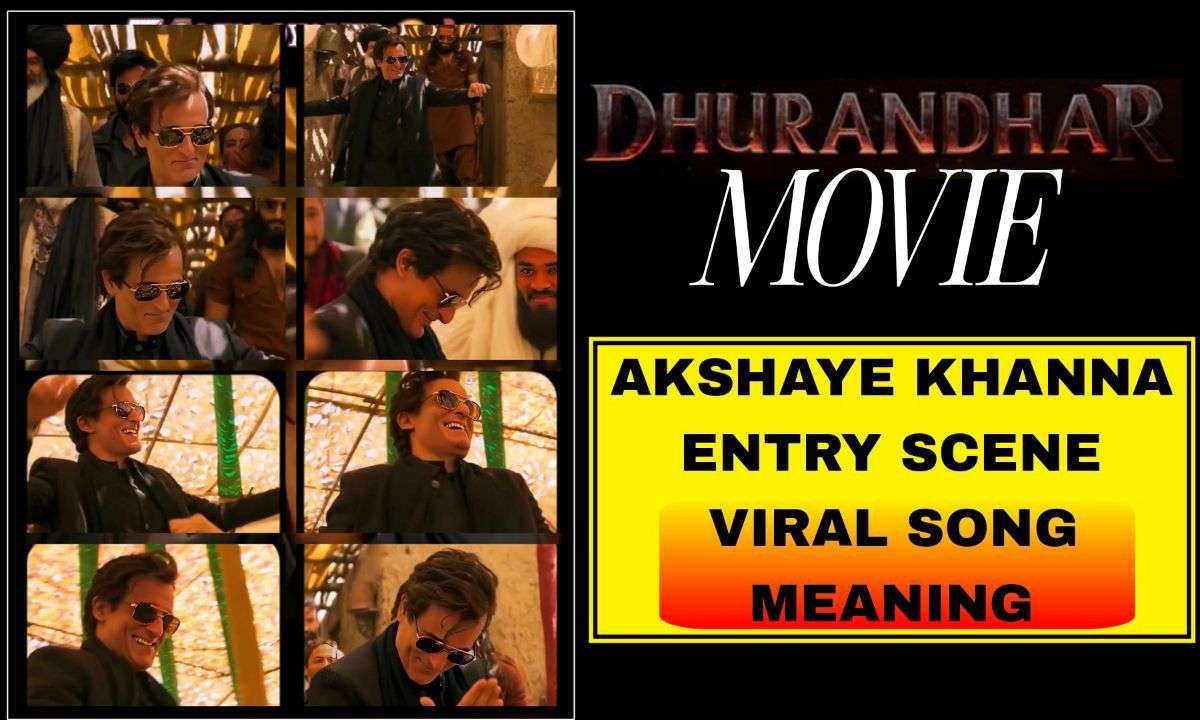
- When a single scene a few bars of music and the right swagger becomes a national moment, it’s worth asking: what’s inside that moment? Akshaye Khanna’s entry in Dhurandhar, backed by the fiery track often labelled “FA9LA” / “Sher-e-Baloch”, has become more than a film sequence: it’s a social-media phenomenon. Fans are remixing it into reels, institutions are reusing the footage for public messaging, and critics are decoding its lyrics and sonic DNA. But why did this particular song and shot become a hit? Let’s unpack the meaning, the cinematic choices, and the cultural reasons behind the trend.
What the song means
On the surface the track is an adrenaline-charged fusion strong percussion, Middle-Eastern/Balochi melodic touches, and a chanty vocal hook that repeats the motif. Journalistic lyric breakdowns and interviews call attention to the way the track fuses a regional musical texture (Balochi/Arabic-inspired phrases) with modern beats to create a fierce, tribal aura around the character. That soundscape intentionally positions the character as a commanding, almost mythical force when he enters a scene a “sher” (lion) figure whose presence rewrites the room.
The title/branding “FA9LA” (and the curious inclusion of the numeral 9 in some stylings) has been discussed in media pieces as a creative branding move it makes the track name eye-catching online and gives meme creators a short, memorable tag to latch onto.
Why the filmmakers picked this song for Akshaye Khanna’s entry
A film entry scene needs three things: a hook, a mood, and a visual that the camera can linger on. This track supplies all three. Its percussive build creates an arrival rhythm the sparse but distinctive melodic motif leaves space for Akshaye Khanna’s subtle acting ticks (a half-smile, a look, a small dance move) to read as huge.
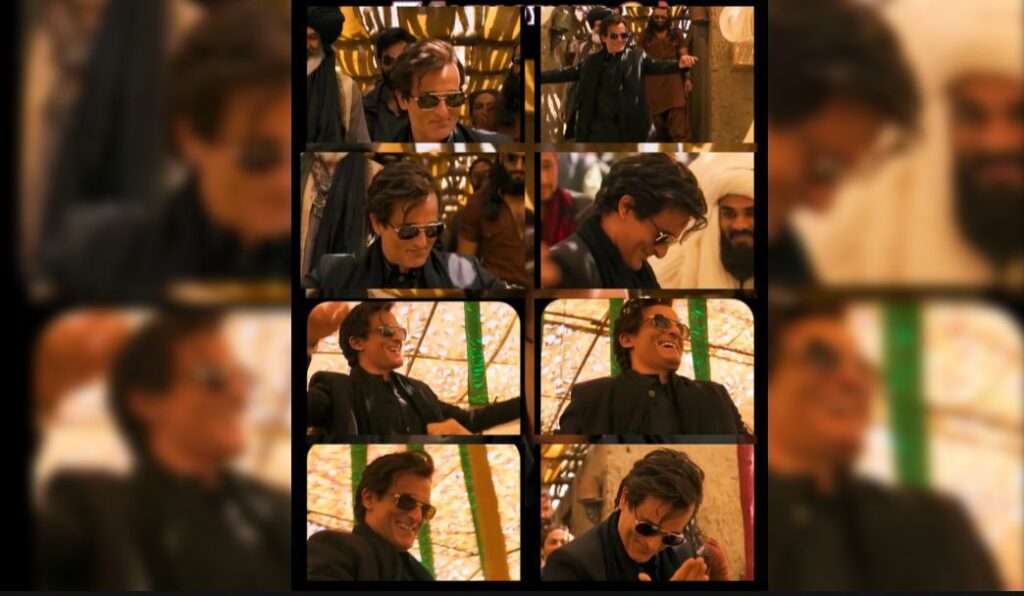
The song doesn’t just accompany the entry it defines the character’s energy and signals to viewers how to feel about him instantly: awe, danger, style. Filmmakers often choose such pieces to turn a brief moment into an identifying motif for a character, and this one was engineered to be immediately replayable on short-form platforms.
The choreography and screen presence why social media loves it
Viral scenes usually have three shareable properties: recognizability, repeatability, and remixability. Akshaye Khanna’s entry checks these boxes.
- Recognizable: the music hook is earwormy the pose/walk is a clear visual.
- Repeatable: the beat drops and pockets in the song are perfect for 15–30 second loops.
- Remixable: creators can lip-sync, slow-mo, or recreate the strut and the result still reads.
Additionally, behind-the-scenes reports show the shoot had striking conditions (e.g., Ladakh altitude shoots and performance anecdotes) that add to the lore and press coverage audiences love the “how it was made” side of virality.
Cultural fusion the sound that travels
The song’s textured sound borrows regional elements (Balochi/Arabic tonal colors) and couples them with a contemporary EDM/hip-hop pulse. That fusion makes it feel exotic and cinematic to national audiences while remaining accessible for global social-media formats. The result is a track that feels both authentic to a character’s world and engineered for the Internet’s looping logic. News outlets noted this musical blend as a key factor in the track’s rapid spread.
Trending beyond entertainment the song as cultural symbol
The track is not only used for fan edits. Institutions reused the imagery and music in public campaigns for example, a police awareness video repurposed the character’s image and the song’s vibe to send an anti-drugs message, which amplified reach and made the sequence part of public conversation beyond fans. That crossover from entertainment to public messaging multiplies impressions and keeps the clip in feeds long after the initial release.
What this trend means for the movie and industry
The viral success turns a short sequence into long-term marketing value: merchandise, memes, ringtone/clip downloads, and free PR. For the film, the song becomes an anchor for promotional content every new reel referencing the track is another unpaid trailer. For the industry, it reinforces that cross-cultural, hook-driven tracks optimized for short-form platforms can push a film’s visibility far beyond traditional advertising.
FAQs Section -(Dhurandhar Movie)
- Q: What does “FA9LA” mean?
A: It’s a stylized title/branding for the track media coverage highlights the song’s fusion and hook rather than a literal translation. - Q: Why did the song go viral so fast?
A: A mix of a catchy hook, short-form friendly beats, Akshaye Khanna’s strong screen presence, remixes on reels, and even non-entertainment reuse (PSAs) drove virality. - Q: Is the choreography special?
A: The choreography and Akshaye’s nuanced moves were designed to be repeatable and loopable online; reports mention memorable shoot conditions which added to press interest.
Conclusion: Akshaye Khanna’s entry in Dhurandhar works because sound, movement, and persona aligned perfectly. The music’s fusion textures give the character a unique sonic identity, the beat was built for loops and remixes, and Khanna’s screen presence turned a few seconds into a cultural moment. When entertainment, social media mechanics, and savvy promotion collide, a song stops being just a part of a movie it becomes the movie’s most recognisable echo.
Copyright Disclaimer:
All images, video links, and music references used in this article belong to their respective owners. We do not claim ownership of any movie stills, promotional material, or audio used for commentary. All media is used strictly for informational, reporting, and review purposes under Section 107 of the Copyright Act (Fair Use) including criticism, analysis, news reporting, research, and educational discussion. If any copyright owner would like content removed or credited differently, please contact us and we will respond immediately.
About The Author