Introduction: A Hero Who Lived in the Shadows
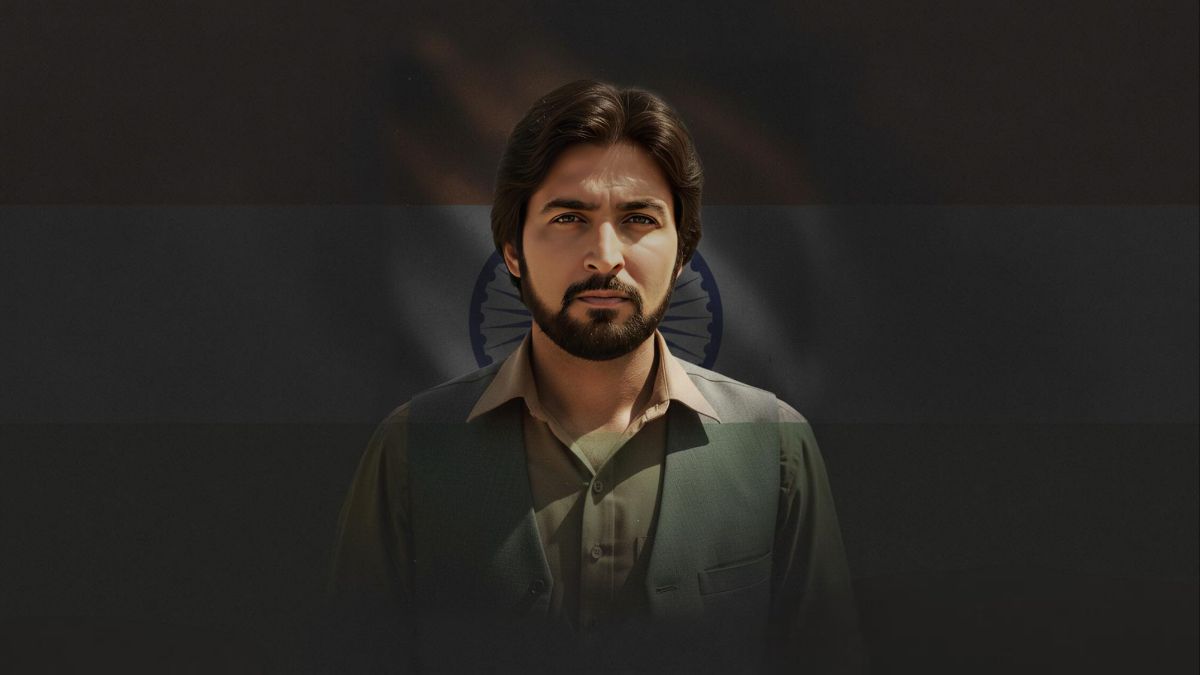
Ravindra Kaushik is remembered as one of the bravest yet least publicly acknowledged heroes of India’s intelligence history. Known by his codename “The Black Tiger”, he served the nation in absolute secrecy, living a life of deception for national security and ultimately sacrificing everything his identity, freedom, health, and life.
Unlike soldiers who fight on visible battlefields, Kaushik fought a silent war inside enemy territory, where a single mistake meant death. His story is not about glory but about commitment, courage, and the painful cost of intelligence warfare.
Early Life and Background
Ravindra Kaushik was born on 11 April 1952 in Sri Ganganagar, Rajasthan, into a middle-class Indian family. From a young age, he showed strong patriotic feelings, discipline, and an interest in theatre and acting skills that would later shape his destiny. He completed his early education in Rajasthan and later pursued higher studies in Delhi, where his communication skills and stage performance abilities stood out.

How RAW Identified Him
In the early 1970s, India’s intelligence agency Research and Analysis Wing (RAW) was searching for young individuals capable of long-term undercover missions.
Kaushik was noticed during a stage performance, where RAW officers observed:
- Exceptional acting ability
- Confidence under pressure
- Sharp memory and adaptability
- Emotional control
After extensive psychological and background verification, he was secretly recruited by RAW.
Transformation into a Pakistani Citizen
RAW prepared Kaushik for one of the most dangerous espionage missions in Indian history.
His preparation included:
- Learning Urdu fluently
- Studying Islamic religious texts
- Understanding Pakistani military culture
- Mental resistance training
- Long-term identity erasure
Identity Change:
- Name changed to Nabi Ahmed Shakir
- Converted to Islam
- Sent to Pakistan via legal channels
Once inside Pakistan, he cut all direct contact with India, which is standard practice for deep-cover spies.

Rise Inside Pakistan
Kaushik didn’t remain a low-level informant. His intelligence, discipline, and confidence helped him rise rapidly.
Major Achievements:
- Joined Pakistan Army
- Reached the rank of Major
- Gained access to strategic military information
- Supplied critical intelligence to India between 1975–1983
During these years, India reportedly avoided multiple military threats due to inputs sent by Kaushik.
Marriage and Family Life in Pakistan
- To strengthen his cover, Kaushik married a Pakistani woman and became a father.
- This was not a personal choice but a strategic requirement to maintain his false identity.
His real emotions, original identity, and Indian roots were never revealed even to his own family in Pakistan.
Capture: What Went Wrong?
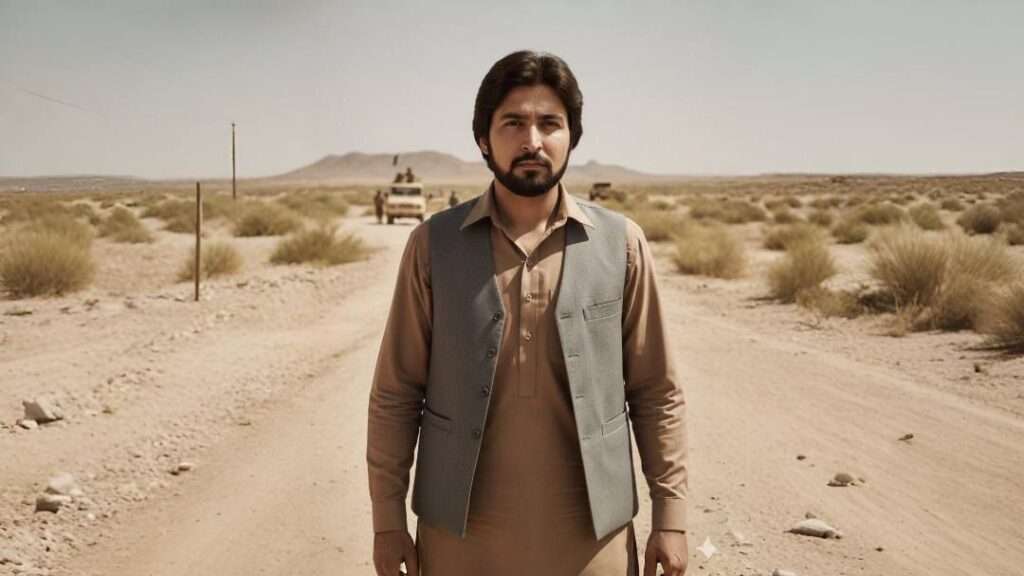
In 1983, RAW mistakenly sent another Indian agent to Pakistan who was captured early. Under torture, that agent reportedly revealed sensitive operational details, leading Pakistani intelligence agencies to identify Kaushik. He was arrested by Pakistani authorities and charged with espionage.
Interrogation and Torture
After his arrest, Kaushik faced severe interrogation.
Reported conditions:
- Prolonged physical torture
- Solitary confinement
- Psychological abuse
- Denial of medical care
Despite extreme pressure, he never disclosed sensitive Indian intelligence networks.
Prison Life and Health Collapse
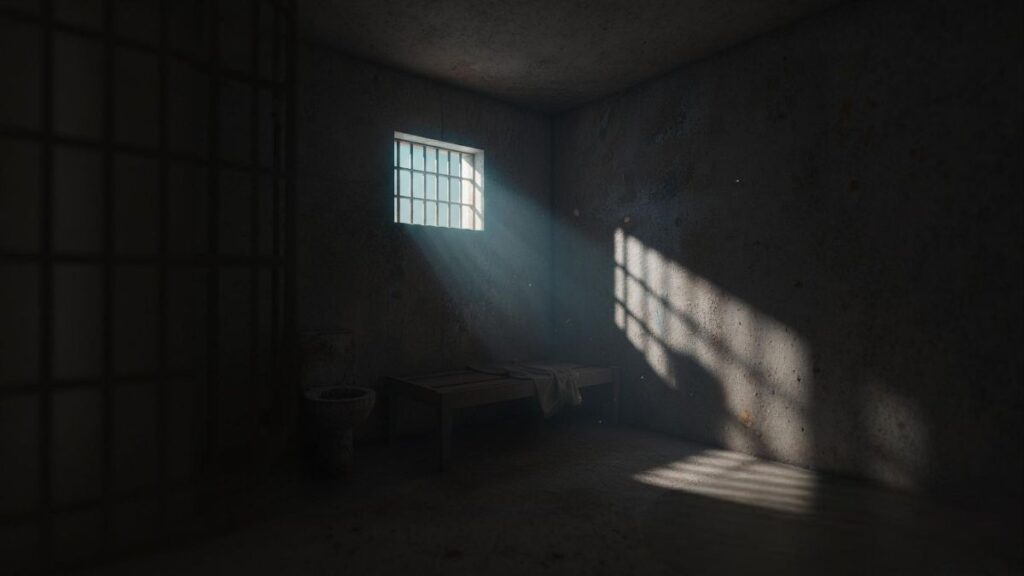
Kaushik was sentenced to death, later commuted to life imprisonment. He was shifted between several Pakistani jails, including Central Jail, Mianwali.
Health issues developed:
- Tuberculosis
- Heart disease
- Mental trauma
- Severe malnutrition
India made multiple diplomatic requests, but Pakistan refused to release him.
Death in Pakistani Custody
Ravindra Kaushik died in November 2001 while in Pakistani custody.
Important clarification:
- He was not officially executed
- He died due to illness and prison conditions
- His body was never returned to India
His death marked the end of one of India’s most extraordinary intelligence missions.
Why India Could Not Save Him?
This is one of the most painful questions.
Key reasons:
- Intelligence agents officially do not exist
- Diplomatic negotiations were repeatedly denied
- Pakistan never acknowledged his status as a POW
- Releasing him would expose Pakistan’s internal security failure
Why Ravindra Kaushik Is Called a “Real Hero”
- Served India without uniform or recognition
- Lost identity, family, and life
- Never betrayed his country
- Operated alone in hostile territory
- Remained loyal until death
He represents the ultimate sacrifice in intelligence service.
Beyond his operational success, Ravindra Kaushik is remembered as a real hero because of the personal cost he willingly accepted for India’s national security. He lived for years knowing that discovery would mean torture, lifelong imprisonment, or death, yet he continued his mission without hesitation. Even after his arrest, despite severe physical abuse and deteriorating health, he did not betray India’s intelligence network or reveal sensitive information.

His silence under extreme suffering protected other agents and ongoing operations. Unlike conventional heroes, Kaushik received no public recognition, no medals, and no assurance of rescue. He died alone in a foreign prison, forgotten by the world but loyal to his country until his last breath. This unwavering commitment, moral strength, and sacrifice without expectation of reward is what defines Ravindra Kaushik as a true and real hero of India, not celebrated by headlines, but honoured by history.
Conclusion: A Story Beyond Movies
Ravindra Kaushik’s life is not cinematic fiction it is a real, painful chapter of Indian history. His story reminds us that national security often depends on people who never receive medals, headlines, or public funerals. He lived as an enemy, died as a prisoner, but remains a true son of India.
“Heroes like Ravindra Kaushik don’t seek recognition history owes them remembrance.”
FAQ Section : About Ravindra Kaushik
1.Who was Ravindra Kaushik?
Ravindra Kaushik was an Indian intelligence officer of the Research and Analysis Wing (RAW), who operated undercover inside Pakistan during the 1970s and early 1980s. He is widely known by his codename “The Black Tiger” and is considered one of India’s most successful deep-cover spies.
2.Why is Ravindra Kaushik called the “Black Tiger”?
The codename “Black Tiger” was given due to his ability to operate silently, survive alone in hostile territory, and deliver high-value intelligence without detection for several years. The name symbolised secrecy, strength, and fearlessness.
3.How did Ravindra Kaushik enter Pakistan?
He entered Pakistan legally after assuming a completely new identity. He converted to Islam, adopted a new name, learned Urdu fluently, and erased all visible links to India before crossing the border as a civilian student.
4.Was Ravindra Kaushik really in the Pakistan Army?
Yes. Under his assumed identity, he successfully joined the Pakistan Army and rose to the rank of Major. This allowed him access to sensitive military and strategic information, which he secretly passed to Indian intelligence.
5.How long did he spy for India?
Ravindra Kaushik reportedly served as a spy from 1975 to 1983. During this period, he sent crucial intelligence that helped India understand Pakistan’s military planning and movements.
6.How was Ravindra Kaushik caught?
He was exposed in 1983 after another Indian agent was arrested in Pakistan. Under interrogation, that agent allegedly revealed operational details, which led Pakistani authorities to identify and arrest Kaushik.
7.Was Ravindra Kaushik executed in Pakistan?
No confirmed records state that he was executed. He was initially sentenced to death, which was later commuted to life imprisonment. He eventually died due to illness and harsh prison conditions while in Pakistani custody.
8.Where did Ravindra Kaushik die?
He died in Central Jail, Mianwali, Pakistan, in November 2001. His body was never returned to India.
9.Did India try to bring him back?
Yes. India made multiple diplomatic efforts over the years to secure his release, but Pakistan refused to acknowledge him as a prisoner of war or grant consular access in later stages.
10.Why was Ravindra Kaushik not publicly recognised during his lifetime?
Intelligence agents officially remain unacknowledged for national security reasons. Recognising him publicly during his mission or imprisonment could have endangered other intelligence operations and agents.
11.Is Ravindra Kaushik considered a national hero today?
Yes. Although recognition came late, he is now widely regarded as an unsung hero of India, symbolising ultimate sacrifice in the field of intelligence and national security.
12.Are movies and stories about him fully accurate?
Some films and articles are inspired by his life, but not all details are accurate. Many aspects of his mission remain classified, and dramatized versions may mix fact with fiction.
13.What makes Ravindra Kaushik’s story different from other spies?
He spent nearly a decade deep inside enemy territory, rose within the enemy’s military system, lived without contact with India, and remained loyal even under extreme torture making his story one of the most extraordinary in Indian intelligence history.
“Content Originality & Copyright Notice”
This article is original, research-based content created for educational and awareness purposes. Images used include one original image and AI-generated or illustrative visuals. Content complies with the Copyright Act, 1957 (India), under fair use principles.
© RAAD WORLD. All rights reserved.
About The Author