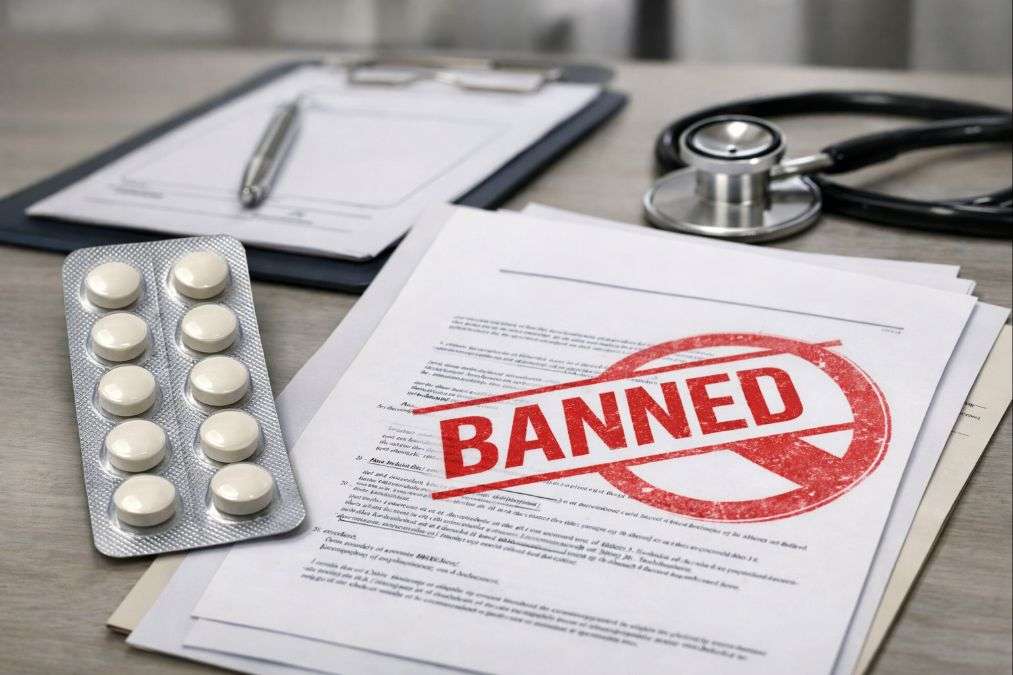
Recently, the Government of India officially banned the manufacture, sale, and distribution of oral pills and tablets of Nimesulide that contain more than 100 mg in immediate-release form for human use. This decision was announced through a formal health ministry notification under the Drugs and Cosmetics Act, 1940 after expert review and consultation with regulatory bodies.
What Is Nimesulide?
Nimesulide is a type of non-steroidal anti-inflammatory drug (NSAID). Like other NSAIDs (ibuprofen, naproxen), it is used to reduce pain, inflammation, and fever. However, its use has always been cautious because serious side effects, especially liver injury, have been reported in multiple studies.
This drug is not approved for use in some countries (such as the United States) because of safety concerns. Many European countries have also restricted or withdrawn it due to similar reasons.
Read This Article Also: Energy Leaks In Modern Life Hidden Habits Draining Your Power Daily
Why Was It Banned Now?
The ban decision was based on several factors:
1. High-Dose Risk to Human Health
Health regulators found that oral formulations with more than 100 mg per dose pose significant health risks, especially to the liver and kidneys. People using high doses may face serious adverse reactions.
2. Safety Data and Expert Recommendations
The Indian Council of Medical Research (ICMR) and expert committees examined data showing possible liver damage and other side effects with Nimesulide, especially at higher doses. They concluded that safer alternatives are available and that high-dose use carries unnecessary risk.
3. Long-Standing Global Concerns
Globally, many nations have either never approved or have restricted Nimesulide because of hepatotoxicity (liver toxicity) concerns. Cases of severe liver injury sometimes requiring hospitalization or causing death have been reported in medical literature.
Which Forms Are Banned?
- Only oral pills and immediate-release tablets/capsules above 100 mg per dose are banned nationwide.
- Other forms like lower-dose tablets, gels, topical options, or alternative medication classes are still available with prescriptions.
- The ban does not apply to all forms or strengths of Nimesulide on every use case, but it significantly restricts high-dose, quick-acting oral medicine.
Why People Used Nimesulide Before and What Changed
For many years, Nimesulide was popular because it acts rapidly to reduce pain and fever faster than some traditional NSAIDs. It was widely prescribed for headaches, joint pain, menstrual pain, and fever.
However, new safety evidence, including liver toxicity reports and long-term observational studies from different countries, has shown that the risks increase if used in high doses or for extended periods. That is why regulators decided the benefit-risk ratio no longer justifies high-dose use without strict control.
What This Means for You
- Do not use high-dose Nimesulide tablets anymore.
If you or someone you know has them at home, stop using them until a doctor advises.
- Safer alternatives exist (paracetamol, ibuprofen, naproxen) that doctors prefer today.
- Doctors will switch to safer medicines or only use low doses if absolutely necessary.
India’s Health Ministry banned high-strength Nimesulide because research shows it can injure the liver and kidneys, especially at doses above 100 mg. Health experts believe other medicines work just as well with fewer risks, so this step was taken to protect public safety.
Not a Sudden Ban– It Was Long Under Review
The restriction on high-dose Nimesulide did not happen overnight. Indian regulators, including expert committees under the Indian Council of Medical Research and the Central Drugs Standard Control Organisation, have been reviewing this drug for many years.
Safety alerts, adverse drug reaction (ADR) reports, and international regulatory actions were continuously monitored before taking this step.

Children Were at Higher Risk
One major concern that pushed regulators to act was misuse in children. In the past, Nimesulide was sometimes prescribed or given over-the-counter for fever in children, despite warnings. Studies showed children were more vulnerable to liver toxicity, especially when dosing was incorrect or repeated.
Because of this:
- Pediatric use of Nimesulide had already been discouraged earlier
- High-dose oral forms increased the risk of accidental overdose
Combination Drugs Increased Danger
Many banned products contained Nimesulide combined with Paracetamol. This is risky because:
- Both drugs are processed by the liver
- Taking them together increases liver workload
- Patients often unknowingly take extra paracetamol from other medicines, leading to toxicity
Health experts warned that such fixed-dose combinations made it harder to detect early liver damage.
Why It Was Still Available for So Long in India
A common question is: If it’s risky, why was it used for years?
The reason:
- Nimesulide provides fast pain and fever relief
- Early safety data was limited
- Strong post-marketing surveillance systems developed later, revealing long-term risks
Once better data and global experience became available, the benefit-risk balance changed, forcing regulators to act.
Global Medical Trend Is Moving Away From It
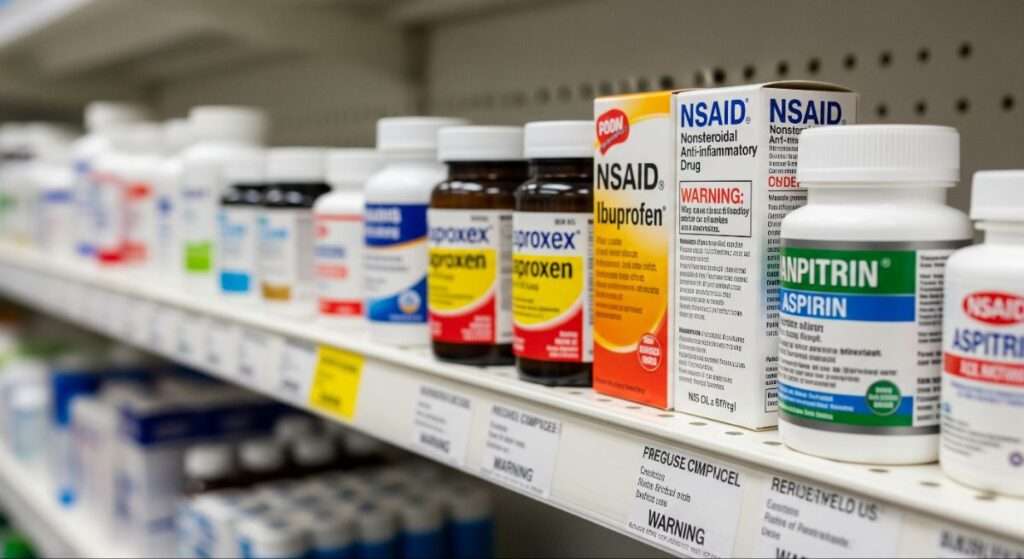
Today, medical guidelines worldwide prefer:
- Paracetamol for fever
- Ibuprofen or Naproxen for pain and inflammation
These alternatives have clearer safety profiles and decades of controlled use data. As a result, Nimesulide is slowly being phased out in many healthcare systems.
Read This Article Also : The Psychology Behind Human Behavior: How the Mind Shapes Our Decisions
Conclusion: Why This Ban Matters
The restriction on high-dose Nimesulide is a public health protection decision, not a political move or sudden reaction. Scientific evidence showed that the risks especially liver damage outweigh the benefits, particularly when safer alternatives are easily available.
By banning high-strength oral formulations, the government aims to:
- Prevent avoidable liver injuries
- Stop misuse and over-the-counter abuse
- Encourage safer prescribing practices
- Align India with global drug safety standards
In simple words, this ban is about safety, not fear. Medicines must heal not silently harm. This decision reminds everyone that “fast relief” is never more important than long-term health.
Disclaimer:
This content is published strictly for educational and news-reporting purposes under Article 19(1)(a) of the Constitution of India. The information is based on publicly available government notifications, regulatory updates, and credible media reports, and does not constitute medical advice.
Readers should consult a qualified medical professional before using or discontinuing any medication. All references to medicines, policies, or regulatory actions are made solely for public awareness in accordance with the Drugs and Cosmetics Act, 1940.
Images used are AI-generated or illustrative, created only for reference and visual explanation, do not represent real individuals or brands, and are used under fair use principles for education and journalism.
About The Author