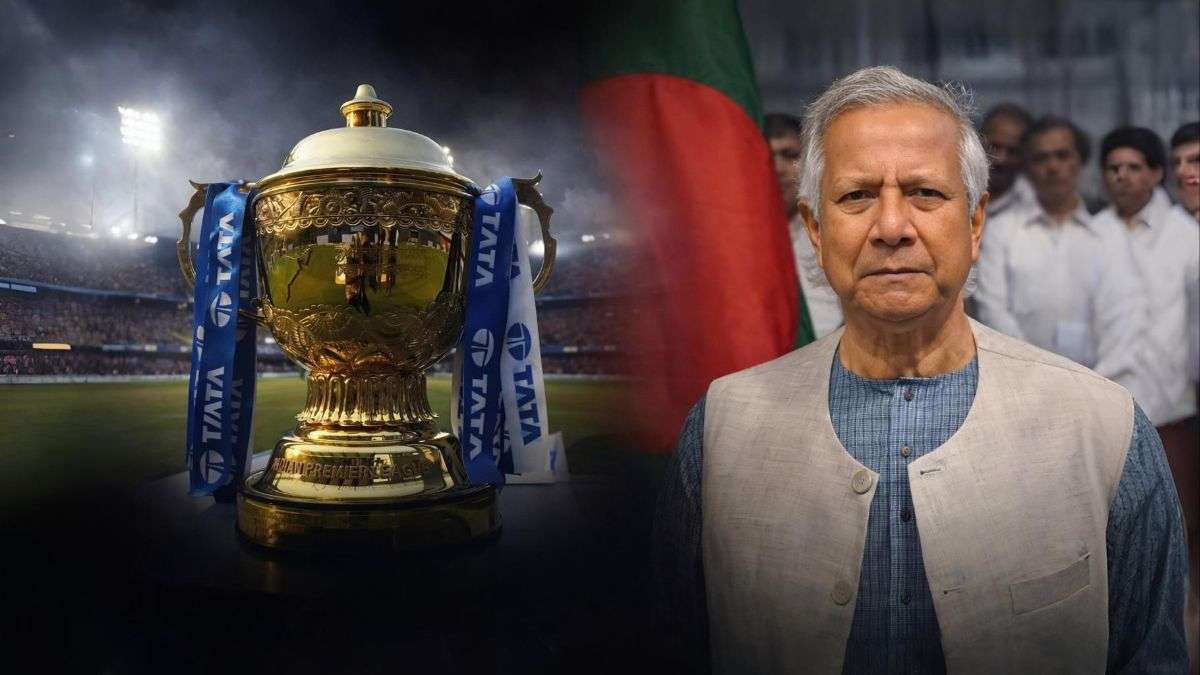
The Indian Premier League (IPL) is one of the most popular cricket leagues in the world, followed by millions of fans across South Asia, including Bangladesh. However, in January 2026, cricket fans in Bangladesh were left shocked after the Bangladesh government ordered an indefinite ban on the broadcast and coverage of IPL matches.
This sudden decision sparked intense debate, confusion, and speculation on social media. Many people questioned whether the ban was political, emotional, or purely administrative.
This article explains what actually happened, why the ban was imposed, and the real story behind the Bangladesh government’s decision, using verified information in a clear and understandable way.
Read this Article Also: IPL 2026 Auction: Biggest Surprises, Record Buys And Key Takeaways
What Was Banned by the Bangladesh Government?
The Ministry of Information and Broadcasting of Bangladesh issued an official directive ordering:
- Immediate suspension of IPL telecasts on television
- Ban on digital streaming and promotional coverage
- The ban to remain indefinite, until further government instructions
This order applied to all broadcasters and cable operators operating inside Bangladesh.
Main Reason Behind the IPL Ban
The ban was triggered by a controversy involving Bangladesh fast bowler Mustafizur Rahman, one of the country’s most respected and popular cricketers.
- Mustafizur was initially expected to play in the IPL 2026 season.
- Ahead of the season, he was released from his IPL franchise.
- The decision reportedly followed directions from Indian cricket authorities.
- No clear public explanation was provided for his removal.
This move angered fans, former players, and officials in Bangladesh.
Government Reaction and Public Sentiment
Bangladesh authorities stated that:
- The removal of Mustafizur was “disrespectful and deeply hurt national sentiment.”
- Millions of Bangladeshi fans felt their national pride was insulted.
- The issue went beyond cricket and became a matter of dignity and fairness.
The government said the decision to ban IPL broadcasts was taken “in the public interest” after widespread public outrage.
Political and Diplomatic Background
The IPL ban did not happen in isolation.
- Relations between India and Bangladesh have recently faced diplomatic strain.
- Political protests and regional tensions added pressure to the situation.
- Sports became a reflection of larger diplomatic emotions.
Officials viewed the IPL issue as another example of unequal treatment, leading to a stronger response.
Is the Ban Permanent?
No, the ban is not officially permanent, but it is indefinite.
- The government has not announced a clear timeline.
- The ban may be lifted if discussions between cricket boards and governments improve.
- Any clarification or apology regarding the player issue could influence future decisions.
For now, Bangladeshi viewers cannot legally watch IPL matches on TV or official digital platforms.
Impact on Cricket Fans and Broadcasters
- Fans in Bangladesh lost access to one of the biggest cricket leagues.
- Broadcasters faced financial losses due to suspended telecasts.
- The move highlighted how sports and politics can overlap in South Asia.
This is also the first time Bangladesh has banned IPL coverage, making it a historic and serious decision.
Read this Article Also: Sheikh Hasina A pivotal verdict regional tremors and a complex legacy
Conclusion: IPL broadcasts was not sudden or random. It was a reaction driven by national sentiment, public anger, and perceived disrespect toward a Bangladeshi cricketer.
While the IPL is a sporting event, this controversy shows how cricket holds emotional and political value in the region. Until relations improve and concerns are addressed, the ban is likely to continue. The episode serves as a reminder that in South Asia, cricket is not just a game it is closely tied to national identity and pride.
About The Author