Free Coaching MoU With Physics Wallah Triggers Debate on Inclusion and Equity
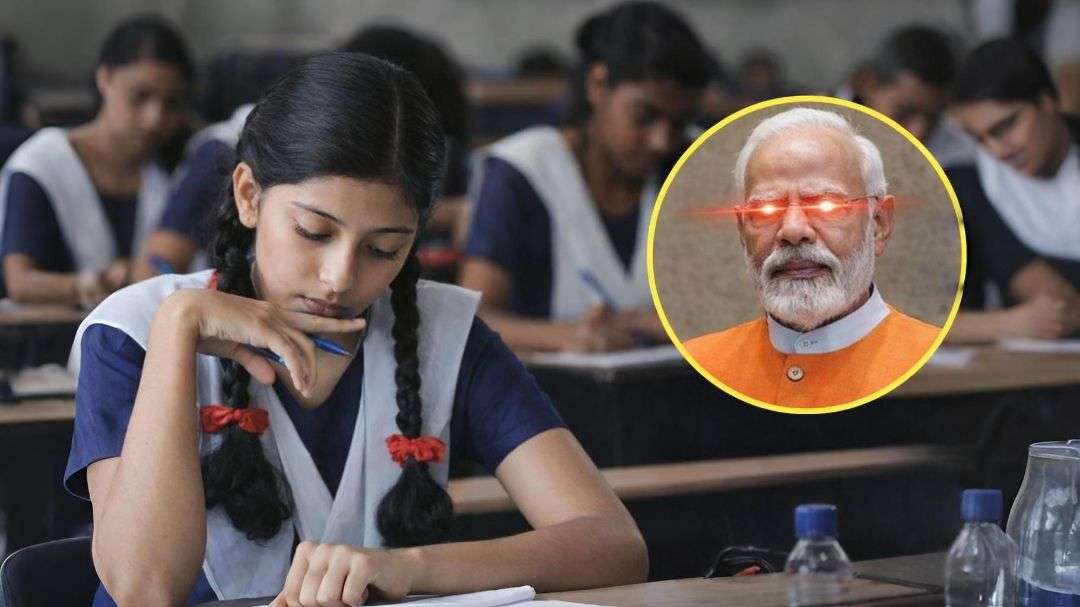
The Government of India’s recent Memorandum of Understanding (MoU) with Physics Wallah (PW) Foundation to provide free online coaching for competitive examinations has ignited a nationwide debate on educational inclusion, fairness, and policy priorities.
While the initiative aims to support students from Scheduled Castes (SC) and Other Backward Classes (OBC), the exclusion of General Category students from this specific scheme has drawn criticism from several quarters, particularly on social media and opinion platforms.
What the Scheme Actually Provides
According to official information released by the Ministry of Social Justice and Empowerment, the government has partnered with the Physics Wallah Foundation to offer:
- Free online coaching to 5,000 aspirants every year
- Coverage for major competitive examinations such as UPSC Civil Services, SSC, and Banking exams
- Access to structured online courses, live and recorded lectures, test series, mentorship, doubt-clearing sessions, and counselling
- Selection through a merit-based process via a dedicated online portal
The scheme is specifically targeted at:
- Scheduled Caste (SC) students
- Other Backward Classes (OBC) students
- Beneficiaries of the PM CARES for Children Scheme
Who Is Not Covered Under This MoU
Importantly, the MoU does not include General Category students, irrespective of their economic condition. It also does not cover Scheduled Tribe (ST) students, as no similar MoU has been signed by the Ministry of Tribal Affairs. This selective eligibility has become the central point of controversy.
Public Reaction and Growing Debate
Following the announcement, several educators, commentators, and citizens raised questions such as:
- Why is economic hardship not considered independently of caste?
- Why are economically weaker General Category students excluded?
- Should free coaching for competitive exams be caste-based or income-based?
Critics argue that poverty does not discriminate by caste, and that exclusion based solely on social category overlooks financially struggling students from the General Category.
Supporters of the scheme, however, maintain that it aligns with India’s long-standing affirmative action framework, which seeks to address historical and structural disadvantages faced by specific communities.
READ THIS: Government Free AI Courses 2026
Government’s Policy Position
From a policy standpoint, the government has clarified through official communication that this initiative is part of targeted welfare measures designed to improve representation and access for historically disadvantaged groups.
The MoU does not prohibit General Category students from pursuing competitive exam preparation through other means, nor does it represent a blanket exclusion from all educational support schemes.
Open educational platforms such as SWAYAM, public universities, and several scholarship programs remain accessible to students across categories, subject to eligibility norms.
A Larger Question of Educational Equity
The controversy surrounding the Physics Wallah MoU highlights a broader and unresolved issue in India’s education policy landscape:
Should state-funded educational support be based on social disadvantage, economic status, or a combination of both?
As competition for limited opportunities intensifies, debates around fairness, representation, and access are likely to become more pronounced.
Conclusion:
The Physics Wallah free coaching initiative is, by design, a targeted affirmative action programme, not a universal one.
While it offers meaningful support to thousands of SC and OBC aspirants, it has also exposed concerns about policy balance, inclusion, and economic vulnerability beyond caste categories.
Whether future schemes will move towards income-based universal access or continue with category-specific interventions remains a critical question for policymakers and for the students affected by these decisions.
About The Author