UPSC Civil Services Exam 2026 New Rules: Major Changes, Eligibility Updates and What Aspirants Should Know
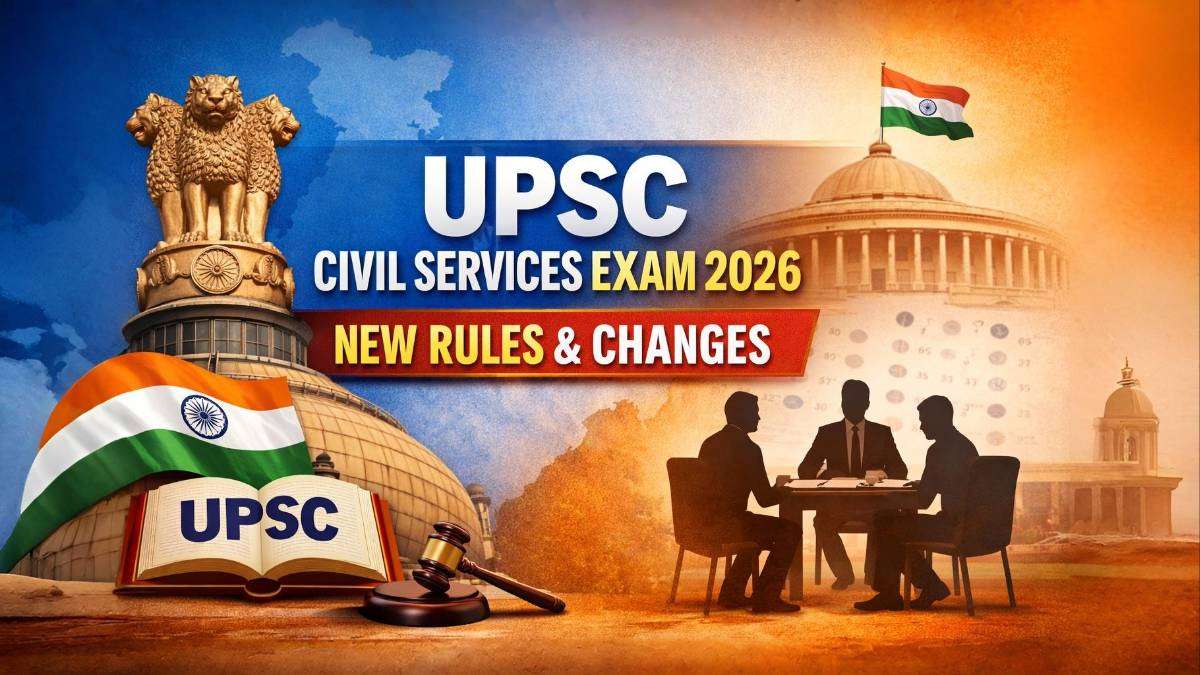
The Union Public Service Commission (UPSC) has introduced several important changes in the Civil Services Examination (CSE) 2026, marking a clear shift towards transparency, fairness, and stricter compliance in the recruitment process. These updates, officially reflected in the latest notification and application guidelines, directly impact both fresh aspirants and serving government officers.
For lakhs of candidates preparing for India’s most prestigious examination, understanding these new rules is not optional it is essential.
READ THIS: ATC Resume
Serving IAS and IFS Officers Barred from Reappearing
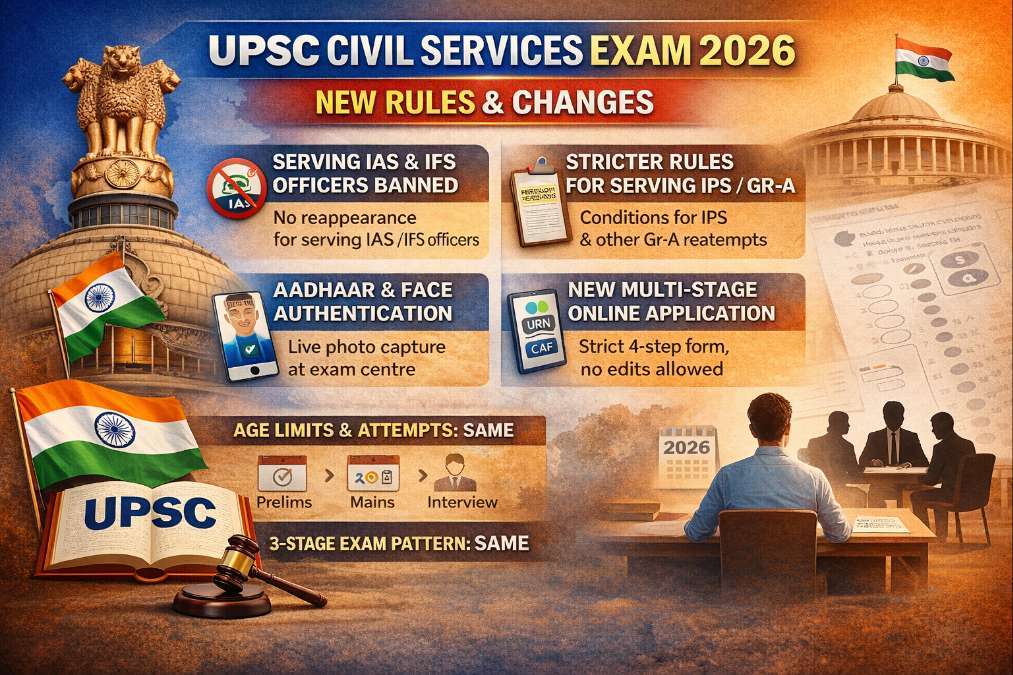
One of the most significant changes in UPSC CSE 2026 is the restriction imposed on serving officers. Candidates who are already appointed as IAS or IFS officers are no longer permitted to appear again in the Civil Services Examination.
Earlier, some officers resigned from service to reattempt the examination in the hope of securing a higher rank or preferred service. UPSC has now clearly closed this route, reinforcing the principle that once appointed, the selection process is final.
Stricter Conditions for IPS and Group-A Officers
For serving IPS and other Group-A officers, reappearing in the examination is no longer a casual option. Candidates must meet strict eligibility conditions and obtain proper permissions. The era of repeated attempts for rank improvement has effectively ended.
No Change in Age Limit and Attempt Rules
UPSC has retained the existing age and attempt limits:
- Minimum age remains 21 years
- Maximum age for General category candidates remains 32 years
Attempt limits remain unchanged:
- General: 6 attempts
- OBC: 9 attempts
- SC/ST: Unlimited attempts within age limit
This continuity provides stability for fresh aspirants planning long-term preparation.
New Multi-Stage Online Application System
UPSC has overhauled its application process to make it more secure and structured. The new system includes:
- One Time Registration (OTR / URN)
- Common Application Form (CAF)
- Examination-specific module
- Final submission
Once the application is submitted, no corrections or withdrawals are allowed. UPSC has clearly stated that errors in personal details, category selection, or document uploads can lead to outright rejection.
Mandatory Document Upload Before Final Submission
Candidates must upload valid documents related to:
- Date of birth
- Educational qualification
- Category, EWS, or PwBD status (where applicable)
Any discrepancy between uploaded documents and entered details may result in disqualification at later stages.
Aadhaar and Advanced Identity Verification
While Aadhaar is not mandatory, UPSC strongly encourages Aadhaar-based verification to reduce identity disputes. Additionally, new security measures include:
- Live photograph capture at exam centres
- AI-based face authentication
- Enhanced biometric verification
These measures aim to eliminate impersonation and ensure that only genuine candidates appear for the examination.
Exam Pattern and Optional Subjects Remain Unchanged
Despite procedural tightening, UPSC has not altered the examination structure. The Civil Services Exam will continue to be conducted in three stages:
- Preliminary Examination
- Main Examination
- Personality Test (Interview)
Optional subjects, syllabus, and marking schemes also remain the same.
What This Means for Aspirants
The UPSC CSE 2026 changes send a clear message. The commission is prioritising first-time and serious aspirants, discouraging misuse of the system by already selected officers, and strengthening exam integrity through technology.
For candidates, this means:
- Greater importance of accurate form filling
- Zero tolerance for identity mismatch
- A more transparent and fair selection process
Those who prepare sincerely and follow guidelines carefully will benefit the most from these reforms.
Conclusion:
The UPSC Civil Services Exam 2026 does not change what you study, but it significantly changes how the system operates. With stricter rules, tighter verification, and clearer eligibility boundaries, UPSC has reinforced trust in the examination process. Aspirants who stay informed, cautious, and disciplined will be best positioned to succeed.
About The Author