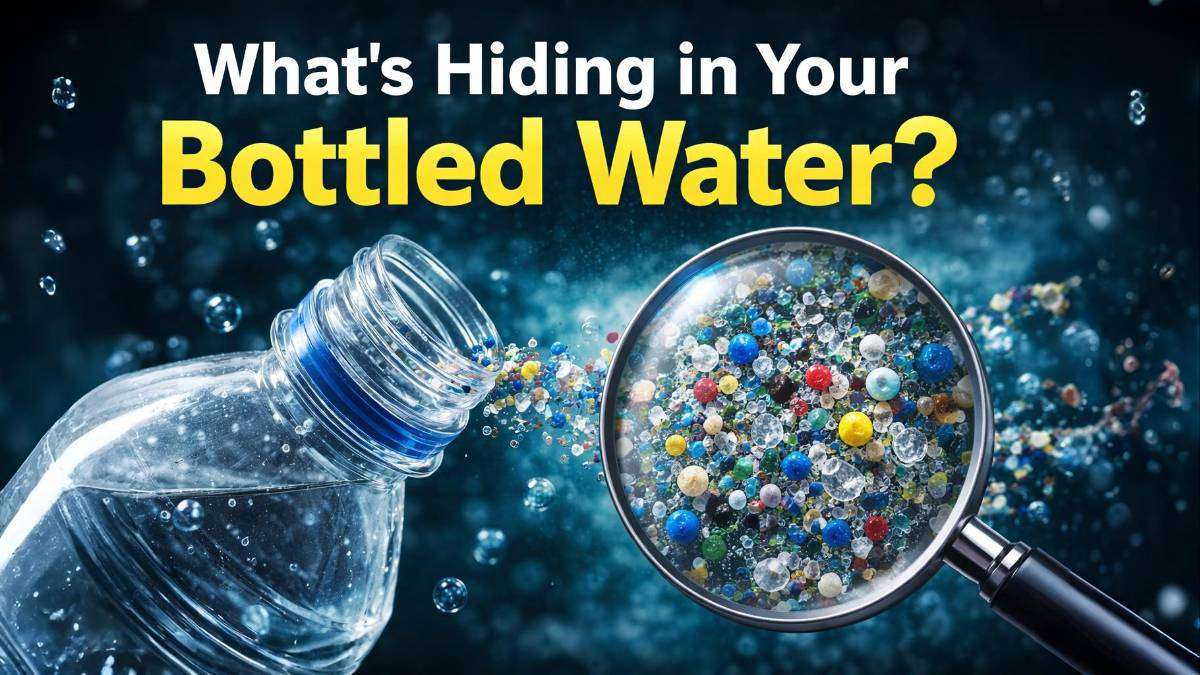
Plastic has become an unavoidable part of modern life. From packaging to drinking water containers, it surrounds us daily. But recent scientific findings show that tiny plastic particles known as microplastics may also be entering our bodies through bottled water consumption.
This raises an important question: How much plastic are we actually ingesting, and should we be concerned?
What Are Microplastics?
Microplastics are extremely small plastic fragments, typically less than 5 millimeters in size. Many are so tiny they are invisible to the naked eye. They originate from:
- Breakdown of larger plastic waste
- Synthetic clothing fibers
- Industrial plastic production
- Degradation of plastic bottles and caps
Because plastic does not fully decompose, it fragments into smaller and smaller pieces over time.
Do Bottled Water Brands Contain Microplastics?
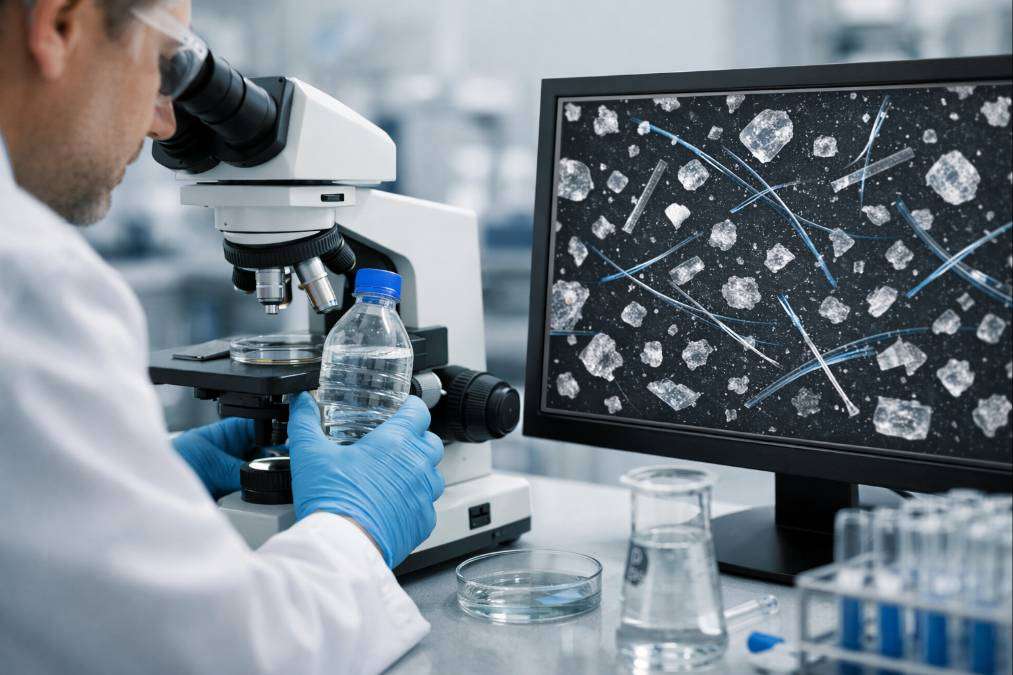
Scientific research confirms that microplastics have been detected in many bottled water samples worldwide.
A widely cited 2018 study conducted by researchers at the State University of New York at Fredonia found microplastic contamination in the majority of tested bottled water brands. The particles were identified as common plastics such as polypropylene and polyethylene materials used in bottle caps and packaging.
Further analysis reviewed by the World Health Organization (WHO) confirmed that microplastics are present not only in bottled water but also in tap water and other food products.
Estimates from research suggest that individuals who primarily drink bottled water may ingest tens of thousands of microplastic particles annually. Some upper-range estimates suggest figures approaching 90,000 particles per year, depending on consumption levels and testing methods.
How Do Microplastics Enter Bottled Water?
Microplastics can enter bottled water through several pathways:
- Shedding from bottle caps – Opening and closing caps may release microscopic fragments.
- Heat exposure – High temperatures can accelerate plastic degradation.
- Manufacturing processes – Microscopic particles may enter during bottling.
- Long storage periods – Plastic materials slowly break down over time.
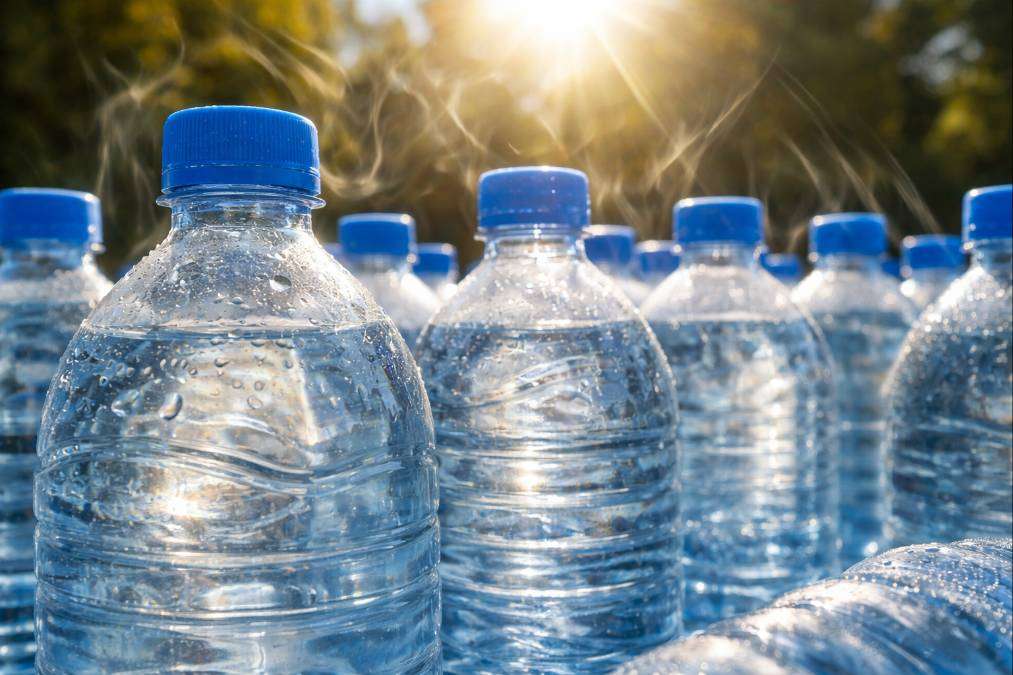
Storage conditions, especially exposure to sunlight or high heat, can significantly influence plastic shedding.
Are Microplastics Harmful to Human Health?
At present, the full health impact of ingesting microplastics is still under scientific investigation.
Current findings suggest:
- Most ingested microplastics are excreted from the body.
- Very small particles (nanoplastics) are being studied for potential absorption into tissues.
- Research is ongoing regarding inflammation, toxicity, and long-term exposure risks.
The WHO has stated that more high-quality research is required before definitive health conclusions can be made. However, scientists agree that reducing plastic exposure is beneficial from an environmental standpoint.
Bottled Water vs Tap Water
Both bottled and tap water can contain microplastics. However:
- Some studies show bottled water may contain higher concentrations.
- Tap water quality varies by region and treatment methods.
- Advanced filtration systems can reduce microplastic presence.
The issue is not limited to one source it reflects the broader global plastic pollution crisis.
READ THIS:psychology behind human
The Bigger Environmental Picture
Microplastics are now found in:
- Oceans and marine life
- Salt and seafood
- Airborne dust
- Soil and agricultural products
Plastic production continues to rise globally, making microplastic contamination a growing environmental concern. Reducing single-use plastic consumption plays a critical role in limiting future contamination.
Key Takeaways
- Microplastics have been detected in bottled water worldwide.
- Annual ingestion estimates can reach tens of thousands of particles depending on consumption patterns.
- Long-term health impacts remain under active scientific study.
- Reducing plastic use and avoiding heat exposure of bottled water may help minimize risk.
Conclusion:
Microplastics in bottled water are not speculation they are supported by scientific research. While current evidence does not confirm immediate health dangers, the presence of plastic particles in drinking water highlights the urgent need for better plastic management, improved manufacturing standards, and further medical research.
As science continues to explore the long-term effects, informed awareness remains the most powerful tool for consumers worldwide.
About The Author