India’s Social Media Takedown Orders Rising: Posts on Instagram and X Under Government Scrutiny
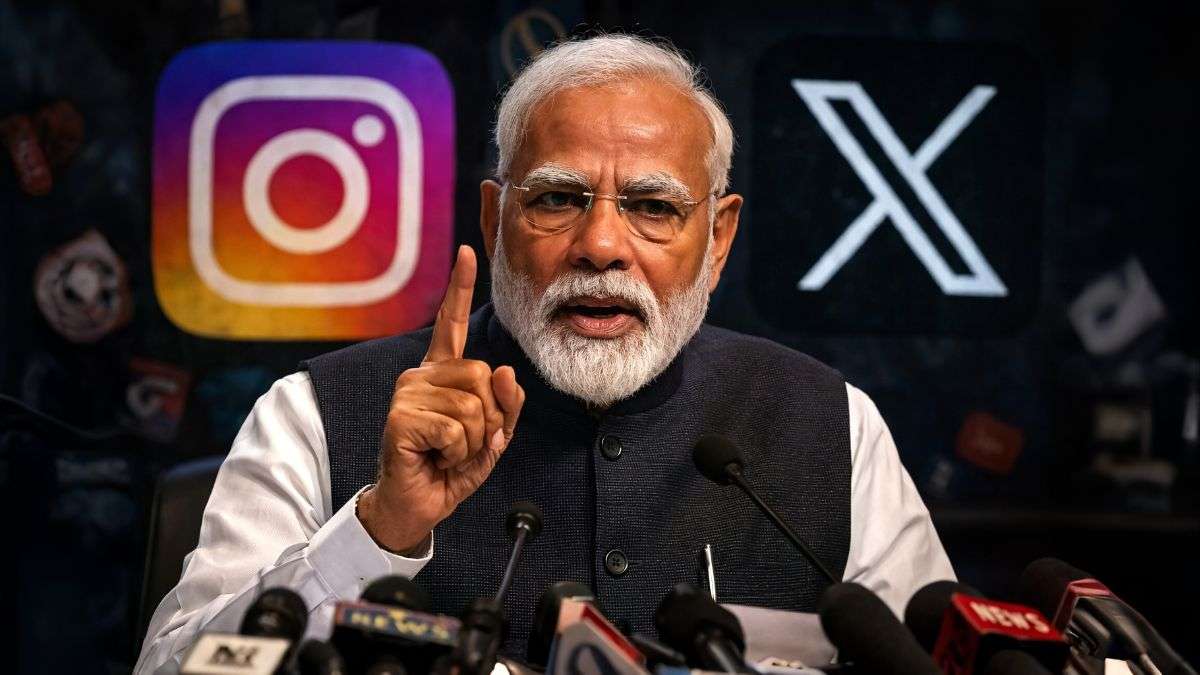
In recent months, reports have highlighted a significant increase in government takedown requests targeting social media platforms such as Instagram and X. These developments have sparked discussions about online regulation, free speech, and the growing role of digital platforms in public discourse.
According to reports published by The Hindu and data from Meta Platforms, several posts on social media were removed or restricted after government authorities issued formal takedown requests.
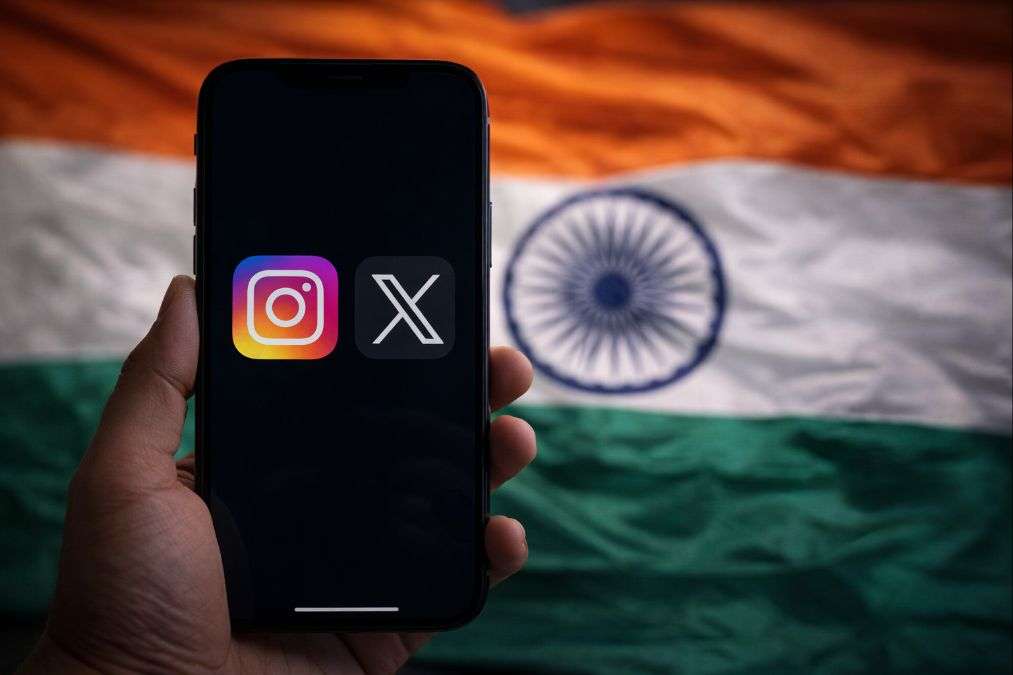
Surge in Content Removal Requests
Recent transparency data suggests that the number of government-initiated takedown requests has increased significantly in India. Between January and June 2025, Meta reportedly removed three times more content in response to government orders compared with the same period in 2023.
These takedown requests reportedly involved posts that included:
- Political commentary or satire
- Criticism of government policies
- Discussions around higher-education regulations and policy changes
- Content authorities believed could affect public order
While not all posts are permanently deleted, many are restricted or geo-blocked for users within India, meaning they remain visible outside the country but cannot be accessed locally.
Legal Framework Behind the Orders
The majority of such orders are issued under provisions of the Information Technology Act 2000, particularly Section 69A, which allows the government to direct intermediaries to block or remove online content under specific circumstances.
These circumstances may include:
- Threats to national security
- Risks to public order
- Misinformation or unlawful content
- Protection of India’s sovereignty and integrity
Government agencies responsible for implementing such directives include the Ministry of Electronics and Information Technology, which oversees digital governance and intermediary regulations.
Role of Social Media Platforms
Social media companies are required to comply with Indian digital regulations, especially under the Intermediary Guidelines and Digital Media Ethics Code Rules, 2021. These rules require platforms to:
- Remove unlawful content upon receiving official notice
- Establish grievance redressal mechanisms
- Appoint compliance officers within India
- Respond promptly to government orders
As a result, platforms like Instagram and X must review and act on official requests within a limited time frame.
Debate Around Online Speech
The rise in takedown orders has sparked debate among digital rights advocates, legal experts, and policymakers. Some argue that stronger regulation helps combat misinformation and harmful content, while others believe greater transparency is needed to ensure that legitimate criticism and political discussion remain protected.
Experts emphasize that India, as a democratic country, still allows criticism and public debate, but content that violates legal standards may be subject to removal through established legal processes.
READ THIS: India Freezes TV News TRP Ratings for 4 Weeks Amid Sensational War Coverage
The Bigger Picture
India has one of the world’s largest social media user bases, with hundreds of millions of users actively participating in online discussions every day. As digital platforms continue to shape public opinion and political conversation, governments and technology companies are increasingly navigating the complex balance between regulation, security, and freedom of expression.
The evolving relationship between governments and social media companies is likely to remain a key issue in the future of India’s digital ecosystem.
Conclusion:
The recent reports about increased content takedown requests on platforms like Instagram and X highlight the growing role of government regulation in India’s digital space. Under provisions of the Information Technology Act 2000, authorities can legally direct social media companies to remove or restrict content that may threaten public order, national security, or violate Indian laws.
However, there has been no official announcement stating that criticism of the government or political leaders will be completely banned on social media. Instead, the focus remains on addressing content that authorities believe could create legal or security concerns.
As India continues to expand its digital ecosystem, the balance between freedom of expression, online accountability, and platform regulation will remain an important issue for policymakers, technology companies, and millions of social media users across the country.
About The Author