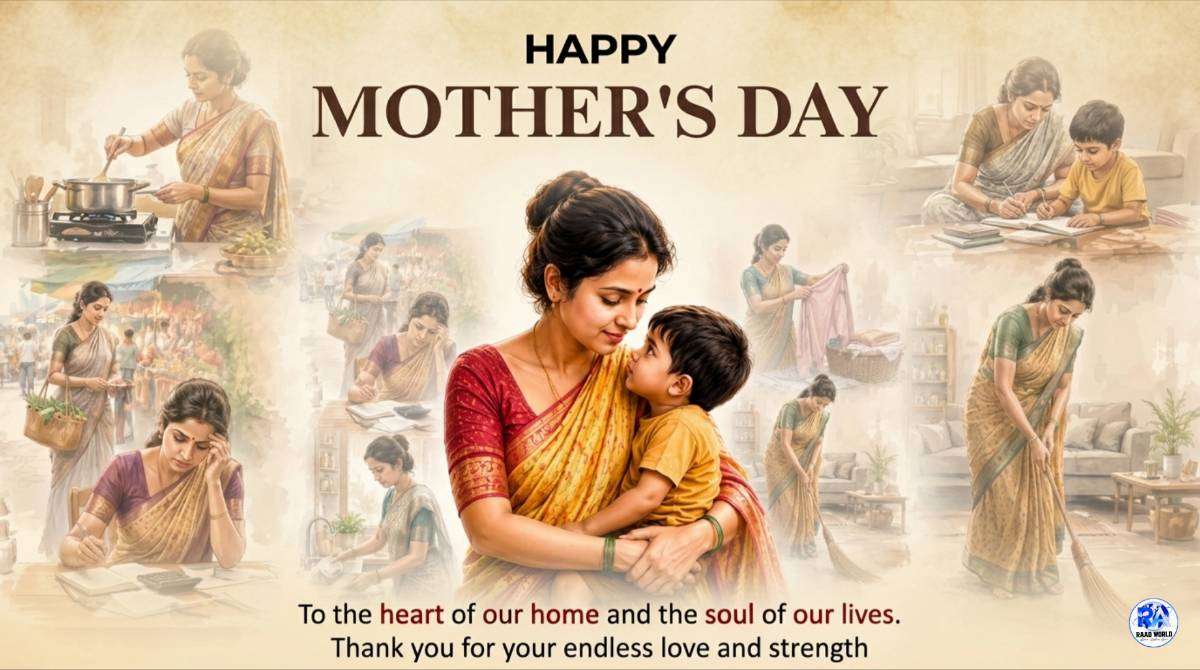
Mother’s Day is more than just a date on a calendar it is a global phenomenon that transcends borders, cultures, and generations. While many people celebrate
the occasion with flowers, gifts, greeting cards, and family gatherings, the true origins of Mother’s Day are deeply connected to social activism, peace movements, personal sacrifice, and a daughter’s determination to honor her mother’s legacy.
Today, millions of people across countries such as India, the United States, Canada, Australia, and many European nations celebrate Mother’s Day on the second Sunday of May. However, the story behind the holiday is far richer and more emotional than most people realize.
The Origins of Mother’s Day: A Legacy of Peace and Public Service
The roots of modern Mother’s Day can be traced back to the mid-19th century in the United States. The movement began with Ann Reeves Jarvis, a social activist and community organizer who dedicated her life to improving public health conditions for women and children.
At that time, poor sanitation and lack of medical awareness caused high infant mortality rates in many communities. Ann Reeves Jarvis responded by creating “Mothers’ Day Work Clubs,” which educated women about hygiene, childcare, and disease prevention. These clubs played a major role in improving the health and survival of children in local communities.
During the American Civil War, Ann Jarvis and her volunteers cared for wounded soldiers from both sides of the conflict. After the war ended, she organized “Mothers’ Friendship Day,” an event designed to reunite families and encourage peace between former enemies.
Her work represented compassion, reconciliation, and the healing power of motherhood. Although she never witnessed the global celebration that Mother’s Day would later become, her humanitarian work laid the foundation for one of the world’s most meaningful annual observances.
READ THIS: Jonathan Lee Riches The Man Behind America’s Most Bizarre Lawsuits
Anna Jarvis and the Birth of Modern Mother’s Day
After Ann Reeves Jarvis passed away in 1905, her daughter Anna Jarvis became determined to create a national day dedicated to honoring mothers. Anna deeply admired her mother’s sacrifices and believed that mothers deserved recognition for their endless love, care, and devotion to their children and families.
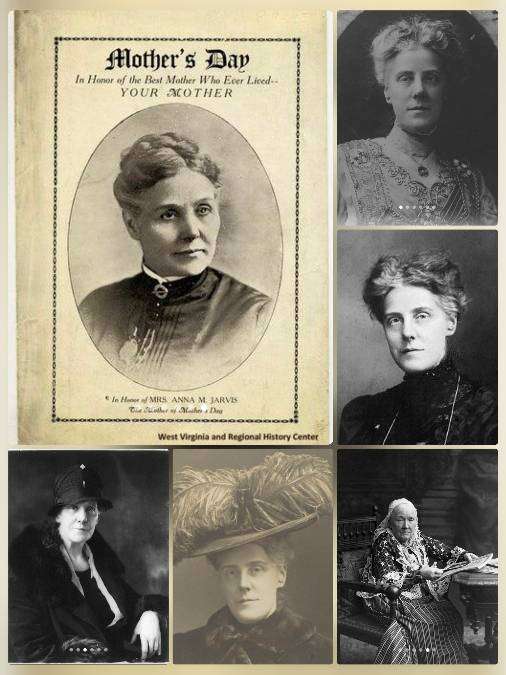
Anna Jarvis began a nationwide campaign by writing letters to politicians, churches, influential businessmen, and community leaders. Her mission was simple yet powerful to establish a special day dedicated entirely to mothers.
In 1908, Anna organized the first official Mother’s Day memorial service at Andrews Methodist Episcopal Church in Grafton, West Virginia. The event attracted significant public attention and inspired similar celebrations across different states in America.
Anna Jarvis also selected the white carnation as the symbol of Mother’s Day. According to her, the flower represented purity, faithfulness, sweetness, and the unconditional love of a mother.
As public support rapidly increased, several American states officially recognized the celebration. Anna’s relentless activism eventually reached the White House.
Woodrow Wilson and the Official Recognition in 1914
In 1914, United States President Woodrow Wilson officially declared Mother’s Day a national holiday through a presidential proclamation. He announced that Mother’s Day would be celebrated every year on the second Sunday of May.
The selection of May had emotional significance because Anna Jarvis’s mother had passed away during that month. Over time, the second Sunday of May became internationally associated with honoring mothers.
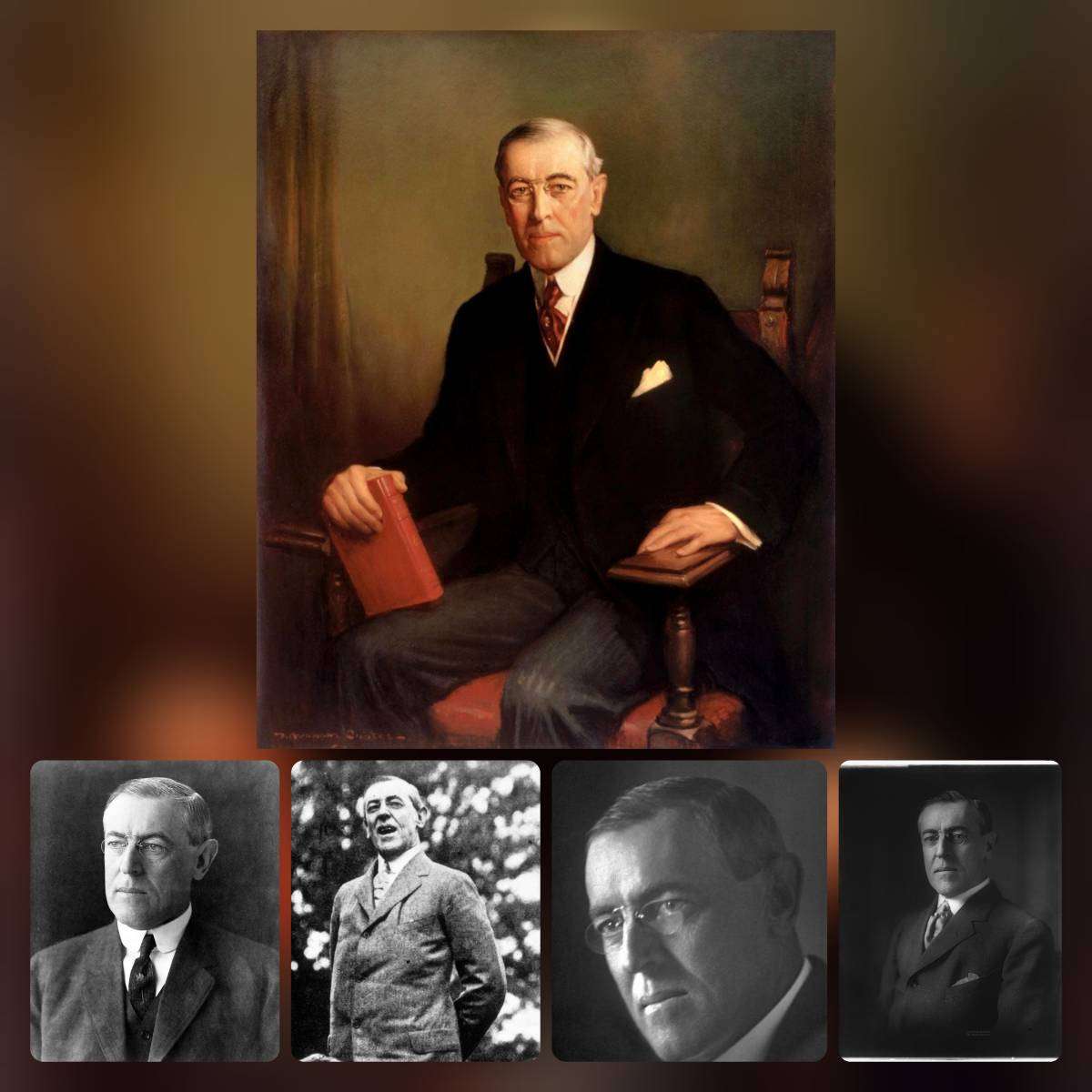
Woodrow Wilson encouraged citizens to display the American flag in honor of mothers whose sons had died in war and to appreciate the important role mothers played in society. This official declaration transformed Mother’s Day from a local movement into a nationally recognized celebration.
Why Does the Date Change Every Year?
Many people wonder why Mother’s Day falls on different dates each year. The answer is simple: the holiday is celebrated on the second Sunday of May rather than a fixed calendar date.
Because Sundays change each year, the exact date also changes:
- 2024 – May 12
- 2025 – May 11
- 2026 – May 10
- 2027 – May 9
This system allows families to celebrate the occasion during a weekend, making it easier for people to spend quality time together.
How Different Countries Celebrate Mother’s Day
Although many nations follow the American tradition of celebrating Mother’s Day in May, several countries observe the occasion differently according to their cultural and religious traditions.
India: India celebrates Mother’s Day on the second Sunday of May, similar to the United States. Schools, colleges, social media platforms, and families participate widely in the celebration.
United Kingdom: The UK celebrates “Mothering Sunday,” which falls on the fourth Sunday of Lent and has roots in Christian traditions.
Mexico: Mother’s Day is celebrated every year on May 10 regardless of the weekday. Families often organize music performances and special meals.
Thailand: The celebration takes place in August to honor Queen Sirikit, who is considered the mother of the nation.
Ethiopia: Families gather during the Antrosht festival to celebrate motherhood with traditional food and music.
READ THIS: Indian Constitution Day : History Facts Untold Stories
The Commercialization Controversy
Ironically, Anna Jarvis eventually became one of the biggest critics of Mother’s Day. She was upset that companies started commercializing the holiday through expensive gifts, greeting cards, and advertisements.
Anna believed that Mother’s Day should focus on genuine emotions rather than business profits. She famously argued that a handwritten letter carried more emotional value than a store-bought greeting card.
In later years, she even attempted legal action against organizations she believed were exploiting the holiday for commercial gain. Despite her protests, Mother’s Day continued to grow globally and became one of the most commercially successful annual celebrations.
Why Mother’s Day Still Matters Today
In the modern world, Mother’s Day has evolved beyond biological motherhood. The celebration now honors grandmothers, adoptive mothers, teachers, guardians, mentors, and maternal figures who provide care, emotional support, and guidance.
The day serves as a reminder of the sacrifices mothers make every day from raising children and managing households to offering emotional strength during difficult times. In many societies, mothers continue to play a central role in shaping families, values, education, and communities.
READ THIS: Prime Ministers of India: Year-wise Tenure, Work, Schemes and GDP Growth (1947–2025)
Mother’s Day also creates an opportunity for people to pause their busy schedules and express gratitude toward the women who helped shape their lives.
Conclusion
Mother’s Day is not simply a commercial holiday or social media trend. Its origins are deeply rooted in compassion, social reform, peace movements, and the emotional bond between mothers and children.
From Ann Reeves Jarvis’s humanitarian work to Anna Jarvis’s determined campaign and President Woodrow Wilson’s official declaration in 1914, the celebration has evolved into a worldwide tradition observed by millions of people every year.
Whether celebrated through flowers, heartfelt messages, family gatherings, or simple acts of appreciation, the true meaning of Mother’s Day remains unchanged honoring the unconditional love, sacrifices, strength, and support provided by mothers and maternal figures across generations.
As Mother’s Day arrives each May, people around the world continue a century-old tradition of gratitude, remembrance, and respect for the women who nurture families and shape society.
About The Author