Abandoned Baby Monkey Punch Finds Comfort in Plush Toy at Ichikawa Zoo | Viral Story Explained
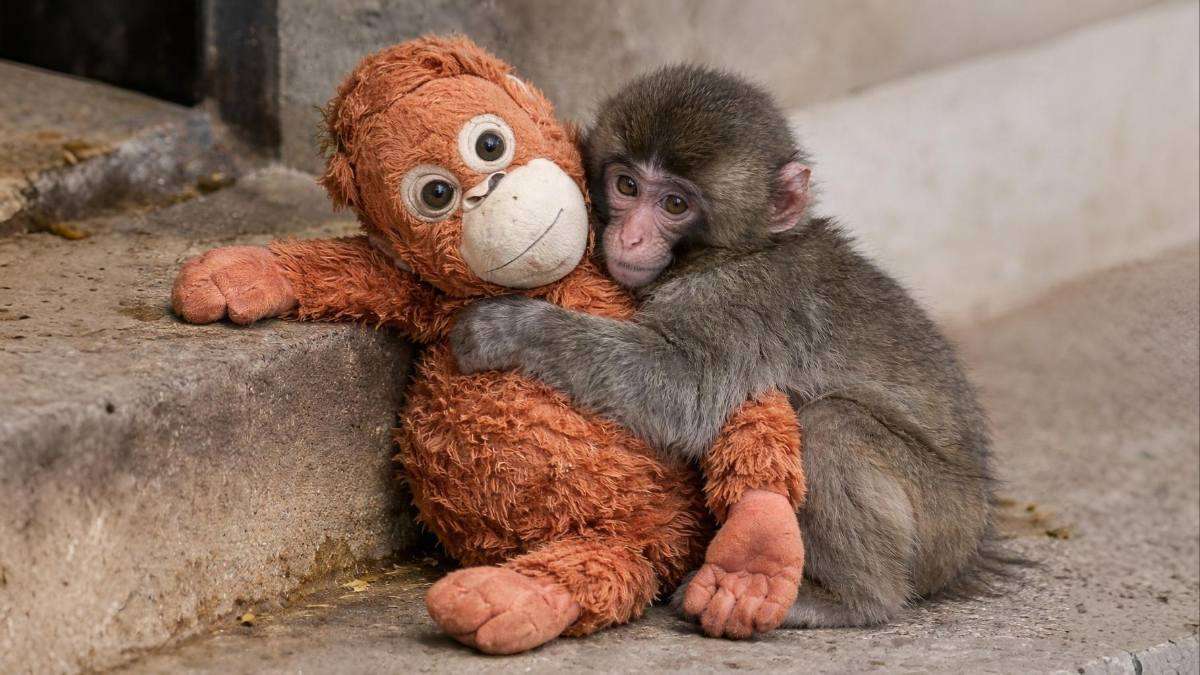
In a heart-touching story that has captured global attention, a baby Japanese macaque named Punch at Ichikawa City Zoological and Botanical Gardens has become a symbol of resilience and emotional healing.
Born in July 2025, Punch was reportedly rejected by his biological mother shortly after birth a rare but documented behavior in primate groups. Left without maternal warmth during the most critical phase of early development, the infant macaque required immediate intervention from zoo caretakers.
What followed was a remarkable example of animal care, behavioral science, and emotional adaptation.
Official Confirmation & Verified Reporting
According to coverage by Reuters and other reputable global media outlets, zoo staff confirmed:
- Punch was born healthy but was not accepted by his mother.
- Caretakers stepped in to hand-raise him.
- A soft orangutan plush toy was provided to give him physical comfort.
- The toy served as a substitute object for clinging behavior a natural survival instinct in infant macaques.
Zoo authorities clarified that the plush toy was not a publicity stunt, but a behavioral support tool commonly used in cases of maternal rejection.
Why the Plush Toy Worked: The Science Behind It
Japanese macaques (Macaca fuscata) are highly social primates. Newborns instinctively cling to their mothers for:
- Warmth
- Protection
- Emotional bonding
- Psychological security
Without this contact, infant primates can experience stress and developmental issues.
Behavioral research over decades has shown that soft surrogate objects can provide comfort during early separation. In Punch’s case, the plush orangutan became a transitional object something he could hold, cling to, and sleep beside.
Videos showing Punch hugging the toy quickly went viral across social media platforms, resonating with millions worldwide.
Social Integration Efforts at the Zoo
While emotional storytelling online framed the toy as his “new mother,” official statements emphasize a more nuanced reality.
Zoo staff continue to:
- Monitor Punch’s health and development
- Gradually introduce him to other macaques
- Encourage natural social bonding within the troop
Some initial resistance and scolding behavior from adult monkeys is considered normal in macaque social hierarchies. However, reports indicate that Punch is slowly adapting and interacting more confidently.
This transition phase is critical long-term well-being depends on successful integration into a social group.
Global Reaction & Responsible Reporting
The story spread rapidly, drawing increased visitors to the zoo and sparking emotional reactions online. However, experts caution against over-dramatization.
Official sources emphasize:
- Punch is receiving professional care.
- The plush toy is temporary emotional support.
- The goal remains full social adaptation with other macaques.
Unlike many viral animal stories that lack verification, this case is supported by direct statements from zoo authorities and credible news agencies.
A Symbol of Comfort in Difficult Times
Beyond its emotional appeal, Punch’s story highlights important themes:
- The psychological needs of animals
- The importance of compassionate wildlife care
- The role of behavioral science in rehabilitation
- The universal search for comfort during isolation
In a world where digital audiences often consume exaggerated narratives, Punch’s journey stands as a reminder that genuine care, supported by science and empathy, can make a measurable difference.
Conclusion:
Punch’s story is not merely about a baby monkey hugging a toy it is about resilience, adaptation, and the power of compassionate intervention.
From maternal rejection to global recognition, his journey reflects both the vulnerability and strength of social animals. While the plush toy provided temporary emotional comfort, the real story lies in the dedicated efforts of caretakers ensuring his healthy reintegration into macaque society.
- In abandonment, he found comfort.
- In isolation, he found support.
- And in care, he found a second chance.
About The Author