Introduction: The Unseen Energy Crisis in Modern Yoga
Modern yoga practice often faces an underlying challenge: inconsistency stemming from a practitioner’s relationship with their own life force energy. Enthusiasm wanes, bodies stiffen, and discipline dissolves. This phenomenon points to a deeper issue our understanding of how we expend our vital energy and where it flows unnoticed.
Brahmacharya offers a practical wisdom concerning energy, attention, and the conditions necessary for sustained spiritual practice. Its integration with yogasana practice connects us to a timeless dialogue on self-knowledge.
Read This Article Also : Benefits of Brahmacharya: Physical, Mental & Spiritual Advantages Explained
Understanding Brahmacharya: Reclaiming Its True Meaning
The term Brahmacharya, often narrowly translated as ‘celibacy,’ misses its profound essence. Derived from ‘brahma’ (the divine, the absolute) and ‘charya’ (to move toward), it signifies direction and movement towards a higher purpose, rather than mere denial.
Within classical yoga texts like Patanjali’s Yoga Sutras and the Bhagavad Gita, Brahmacharya is presented as a foundational ethical principle (Yama) and essential for the true yogi. The Hatha Yoga Pradipika even claims it obviates the fear of death for practitioners.
In practical terms, it involves observing where our energy flows and consciously redirecting it towards activities that genuinely nourish the spirit, moving away from mere sensory stimulation or temporary anxiety relief. It is an art of energy conservation and mindful direction, essential for having life force available for spiritual pursuits.
The Architecture of Energy: Prana, Nadis, and the Flow of Vitality
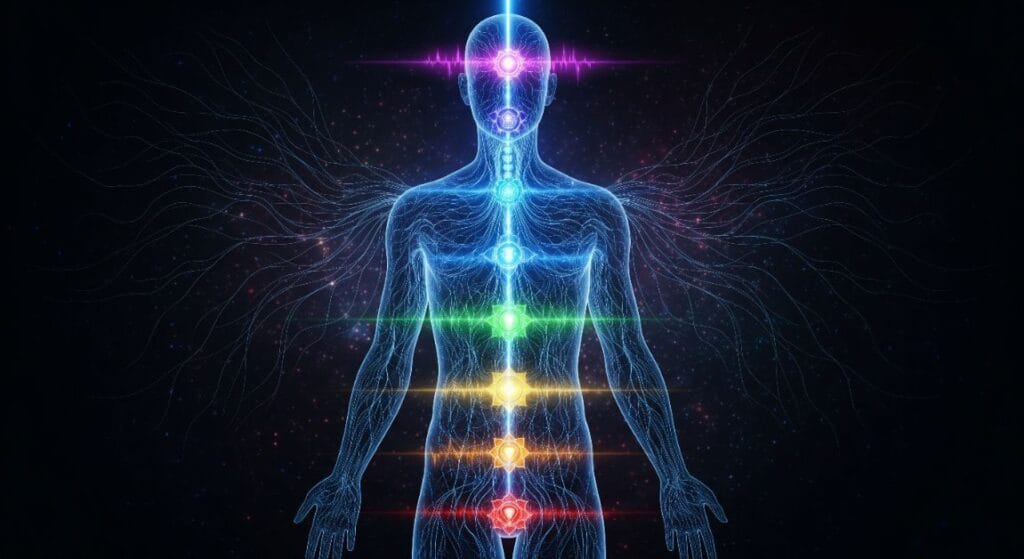
Ancient yogis were keen observers of the body’s subtle mechanisms. They recognized an intricate energy system comprisingnadis (channels) andchakras (centers), with thesushumna nadibeing the central channel for awakened energy’s ascent.
When sexual energy, one of the most potent forces, is channeled outward through compulsion or habit, it creates a downward pull, dispersing energy and scattering the mind, making deep practice difficult. Brahmacharya involves conserving and redirecting this energy.
Through conscious practice, this energy can be transmuted intoojas, a refined spiritual energy. This transformation, achieved through meditation, pranayama, and steady asana, nourishes the nervous system and becomes available for profound spiritual work. The Yoga Sutras promise that establishment in Brahmacharya grants “vigor, valor, and vitality”a clarity, stability, and sustained attention essential for spiritual progress.
Discipline Redefined: Alignment Over Control
A common misconception is that Brahmacharya demands extreme self-control or deprivation. True discipline, however, is aboutalignment gradually learning which activities expand our energy and which deplete it, with self-compassion.
Energy leakage can be subtle: excessive screen time, compulsive thinking, or constant seeking of validation. These activities, like overt indulgence, scatter vital energy, hindering the opening of the sushumna and the settling of the mind.
The essence of Brahmacharya is awareness observing energy flow without judgment. By noticing which activities nourish practice and which subtly undermine it, we can begin to conserve vital resources. This conscious redirection leads to increased capacity for practice, a quieter mind, and a practice that becomes naturally nourishing rather than a struggle requiring constant willpower.

Brahmacharya and Asana: The Body’s Energetic Wisdom
The connection between Brahmacharya and yogasana is tangible. When energy is scattered, the body feels heavier, the breath shallow, and the mind noisy during practice. Conversely, when energy is conserved and directed consciously, the same asanas feel alive, the mind quiets, and a natural grace emerges.
The sexual organs are intimately connected to the nervous system and the brain. Constant stimulation, whether physical or mental, keeps the nervous system in a state of agitation, making the deep focus required for yoga challenging. Brahmacharya facilitates the mind’s natural quieting, essential forchitta vritti nirodhah (cessation of mental modifications).
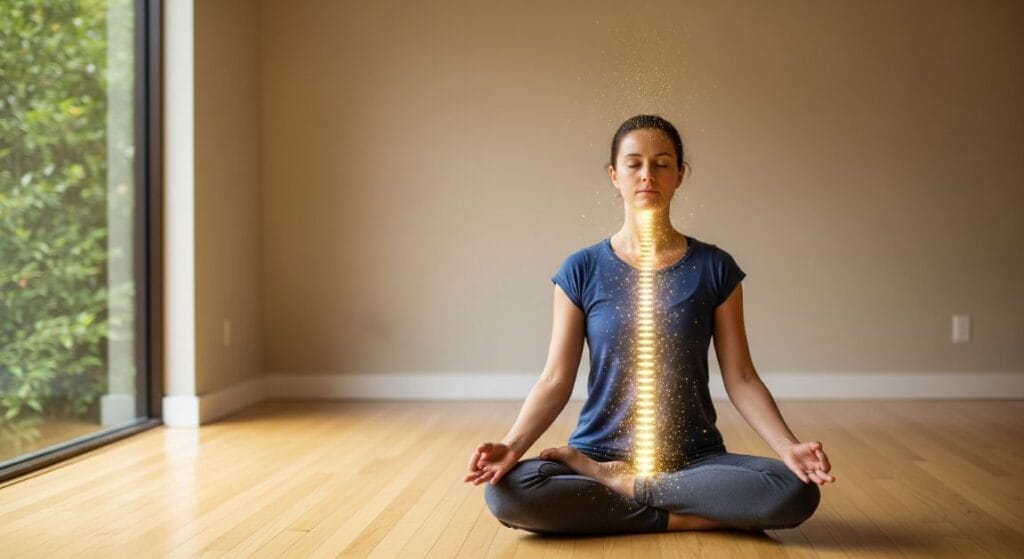
Furthermore, Brahmacharya is key to opening thesushumna nadi, the central channel for higher energies. Conserving and directing energy upward allows consciousness to touch subtler realities and enables practice to reach new depths.
The Psychological Landscape: Mind, Thoughts, and Energy
Thoughts are significant energy consumers. Compulsive thinking, worry, and mental stimulation deplete our nervous system and mind’s capacity for concentration. Practitioners who have expended energy on internal chatter arrive on the mat with a profound exhaustion.
Brahmacharya helps reduce this mental noise by fostering consciousness about energy expenditure on thoughts, fantasies, and past/future anxieties. As this mental chatter quiets, more of the self becomes present for practice, allowing deeper engagement with asana, breath, and body awareness.
Psychological integrity is also crucial. Living in alignment with one’s deeper values creates internal coherence, supporting spiritual aspiration. Brahmacharya fosters this integrity, bringing life into alignment with intentions, making consistency natural rather than forced.
The Sacred Path: Yoga as Transformation, Not Performance
Traditionally, yoga is viewed not as a fitness regimen but as a spiritual discipline aimed at liberation. This perspective underscores Brahmacharya’s role: one cannot achieve true yoga while energy is constantly dispersed outward.
Understanding Brahmacharya as wisdom, not deprivation, shifts our focus. We consciously choose to direct our precious energy towards something greater than momentary stimulation, prioritizing the deepest possibilities of yoga self-knowledge and freedom over lesser gratifications.
This understanding infuses practice with devotion and a genuine hunger for transformation, making consistency driven by authentic desire rather than obligation or habit.
Practical Application: Cultivating Brahmacharya Off the Mat
Implementing Brahmacharya begins with honest self-observation. Identify where energy is being depleted often through unconscious digital stimulation, compulsive thoughts, or unhealthy habits.
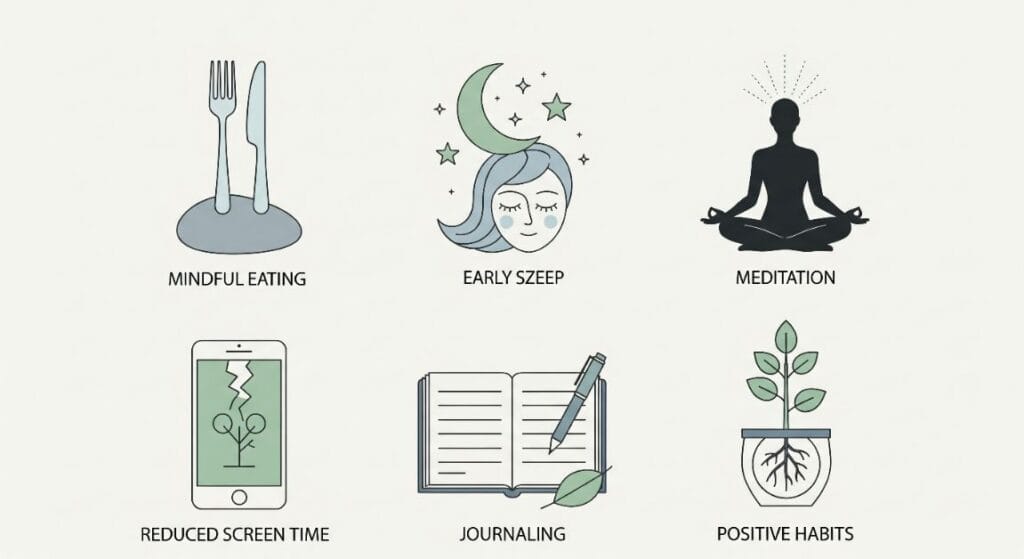
Conscious engagement with technology is paramount using screens intentionally rather than compulsively frees up significant energy. Brahmacharya also extends to mindful eating, adequate rest, positive self-talk, and releasing mental loops of anxiety and self-criticism.
The practice is not about perfection but consciousness. Gradual shifts in energy management cascade into better sleep, improved physical well-being, and a more present mind. Within weeks, practitioners often report a transformation: their practice becomes more alive, sustained naturally without excessive willpower, as they begin to experience yoga’s profound benefits.
Content Originality Statement:
All articles, explanations, analyses, and insights published on this website are entirely original and created through my own research, understanding, and writing. No content is copied, reproduced, or taken from any external source. Every post is written in a clear, human, and meaningful way to provide accurate, valuable information for readers. If external references or data are used, they are properly interpreted and rewritten in my own words. This platform is committed to maintaining authenticity, originality, and high-quality educational content at all times.
FAQ Questions
1. What is Brahmacharya in yoga?
Brahmacharya is a yogic principle that means directing life-force (prana) toward higher purpose rather than wasting it on distractions, overstimulation, or compulsive habits. It is about energy management, not just celibacy.
2. How does Brahmacharya improve yoga practice?
Brahmacharya conserves prana and stabilizes the mind, making your yoga practice more focused, deeper, and consistent. When energy is not wasted, the body feels lighter, the breath steadier, and the mind quieter.
3. Is Brahmacharya only about sexual discipline?
No. Sexual energy is one part of it, but Brahmacharya also includes reducing digital distraction, overthinking, emotional stress, and habits that drain mental or physical energy.
4. How do I practice Brahmacharya in daily life?
Practice mindful screen use, eat consciously, sleep early, avoid energy-draining thoughts, meditate daily, slow down compulsive habits, and focus on activities that nourish your mind and body.
5. Can Brahmacharya increase mental clarity?
Yes. When energy is conserved and directed inward, the mind becomes calmer and sharper. This reduces anxiety, restlessness, and overthinking, allowing clearer focus.
6. What are signs of energy leakage?
Feeling tired without reason, lack of motivation, mental fog, compulsive scrolling, poor concentration, emotional draining, and inconsistent yoga practice are common signs.
7. Does Brahmacharya help open the Sushumna Nadi?
Yes. Classical yoga texts say conserved energy naturally rises through the Sushumna Nadi, enabling deeper meditation, spiritual awareness, and inner stability.
8. Why do yogis emphasize sexual restraint?
Because sexual energy is one of the most powerful forms of prana. When misused or overindulged, it pulls energy downward; when guided wisely, it increases vitality and spiritual strength.
9. How long does it take to see benefits of Brahmacharya?
Most practitioners begin to feel increased energy, clarity, and discipline within 2–4 weeks when practiced sincerely and consistently.
10. Can beginners follow Brahmacharya?
Absolutely. Start with small steps mindful screen time, better sleep, reduced overthinking, and conscious habits. Brahmacharya is a gradual, compassionate journey, not strict punishment.
11. Will Brahmacharya make my yoga practice more consistent?
Yes. When energy is preserved and mental noise decreases, you naturally feel motivated to show up on the mat. Practice becomes smooth, enjoyable, and self-driven.
12. Is Brahmacharya relevant in modern life?
100%. In a world full of overstimulation social media, stress, overthinking Brahmacharya helps maintain balance, mental strength, and holistic well-being.
Conclusion : The Promise of Aligned Energy
Ancient texts promise vigor, spiritual power, and profound insights through Brahmacharya. These promises are not mythical but testable through personal experience. By practicing Brahmacharya with consciousness, practitioners can verify its efficacy in deepening their practice, clarifying their mind, and enhancing their vital resources.
Brahmacharya is foundational for those serious about yoga. It is the conscious direction of life force toward what is real, lasting, and true. This practice ensures that our actions off the mat support our declaration of yoga’s importance, fostering alignment with our deepest aspirations and honoring the precious gift of human life and its animating energy.
Brahmacharya, then, is not restriction for its own sake, but the conscious choice to live in alignment with our deepest potential, making consistent yoga practice a natural and profoundly nourishing return to ourselves.
Read This Article Also : Ancient Spiritual Technologies for Self-Mastery: Yoga & Gita Blueprint
About The Author

 Creator Adarsh