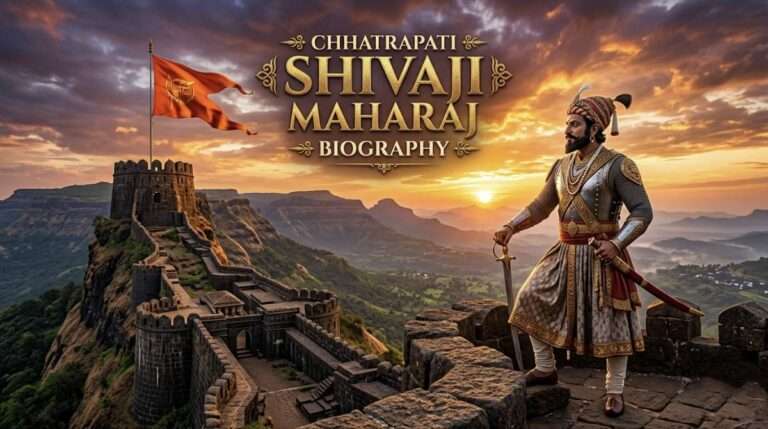
Chhatrapati Shivaji Maharaj: Complete History, Biography, Empire, Battles & Legacy
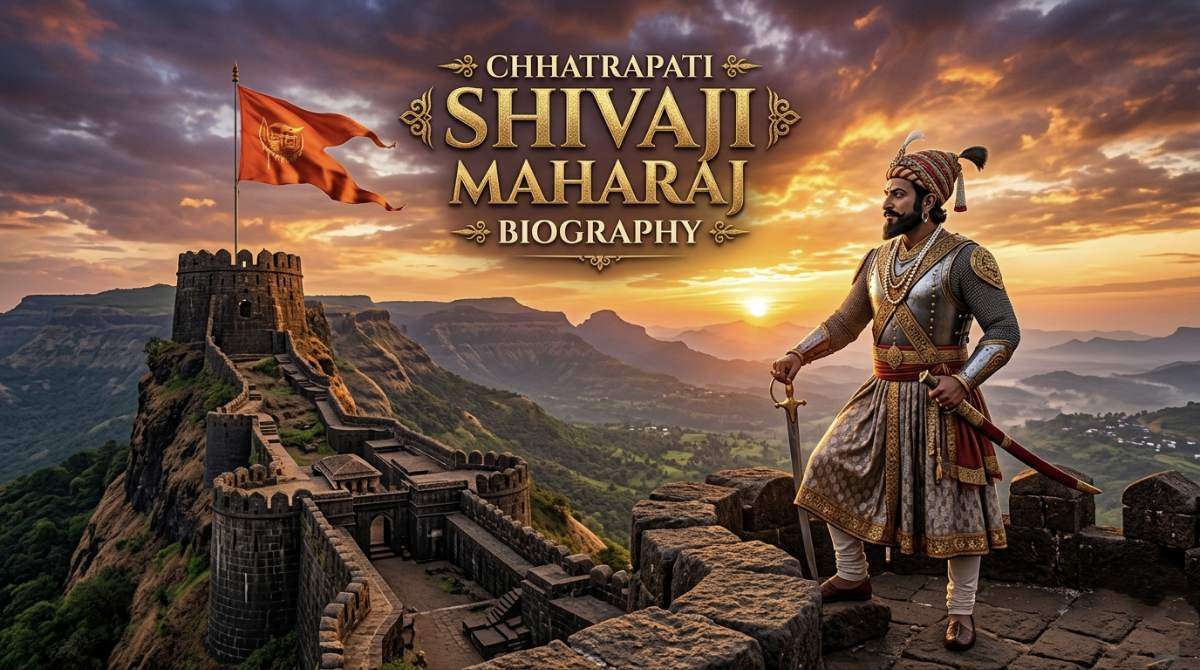
Chhatrapati Shivaji Maharaj (1630–1680) was one of the greatest warriors and visionary rulers in Indian history. He was the founder of the Maratha Empire and is widely respected for establishing the concept of Swarajya (self-rule). His life is a powerful story of courage, intelligence, strategic brilliance, and dedication to justice.
At a time when large parts of India were under the control of powerful empires like the Mughals and Deccan Sultanates, Shivaji Maharaj emerged as a fearless leader who challenged authority and built an independent kingdom based on strong principles of governance, military discipline, and cultural pride.
Early Life and Background
Shivaji Maharaj was born on 19 February 1630 at Shivneri Fort in present-day Maharashtra. His father, Shahaji Bhosale, was a respected general who served various Deccan Sultanates, while his mother Jijabai was a deeply religious and strong-willed woman.
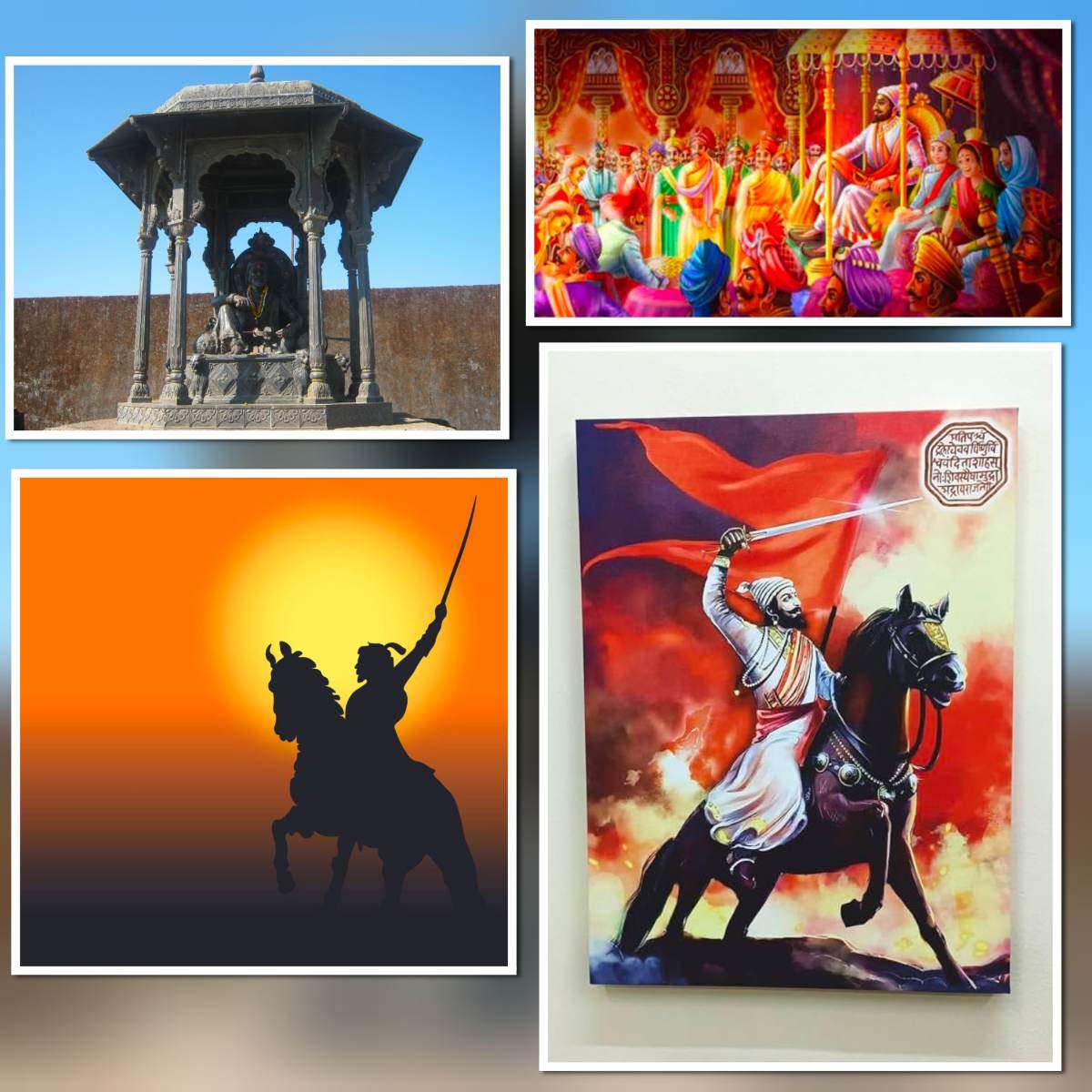
Jijabai played a crucial role in shaping Shivaji’s personality. She narrated stories from the Ramayana and Mahabharata, instilling values of courage, righteousness, and leadership. From a young age, Shivaji showed signs of independence and strategic thinking.
Unlike many royal children who lived luxurious lives, Shivaji grew up understanding the hardships of common people. This experience later influenced his administrative policies and governance style.
Formation of Swarajya
The concept of Swarajya, meaning self-rule, was central to Shivaji Maharaj’s vision. At a young age, he decided to establish an independent kingdom free from foreign domination.
At just 16 years old, Shivaji captured Torna Fort in 1646. This marked the beginning of his mission. Over time, he captured several forts and expanded his territory across the Sahyadri mountain ranges.
His approach was not just about conquest but about building a strong and stable state that prioritized justice and welfare.
Military Strategy and Warfare
Shivaji Maharaj is considered one of the greatest military strategists in history. His warfare techniques were revolutionary and highly effective.
Guerrilla Warfare (Ganimi Kava)
He introduced guerrilla warfare tactics, which involved surprise attacks, quick movements, and deep knowledge of terrain. This allowed his relatively small army to defeat much larger forces.
Fort-Based Defense
Shivaji built and controlled over 300 forts. These forts were strategically located in hills, mountains, and coastal regions, making them difficult to capture.
Efficient Intelligence System
He developed a strong spy network that provided accurate information about enemy movements.
4. Major Battles and Victories
Battle of Pratapgad (1659)
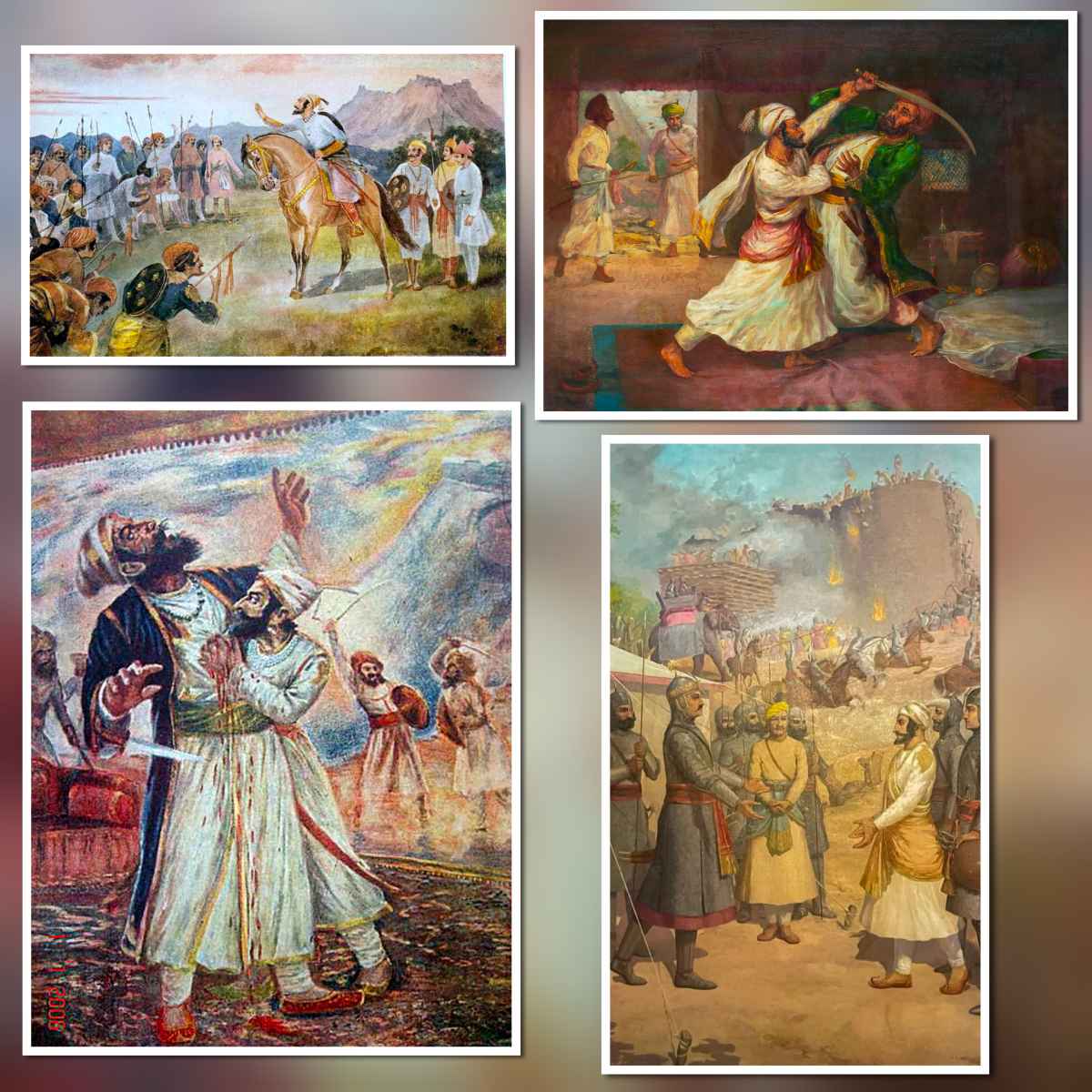
This battle against Afzal Khan is one of the most famous events in Shivaji’s life. Using clever tactics, Shivaji defeated Afzal Khan despite being outnumbered.
Siege of Purandar (1665)
Shivaji signed a treaty with the Mughals, showing his diplomatic skills and ability to adapt to changing situations.
Conflicts with the Mughals
Shivaji fought multiple battles against the Mughal Empire and successfully resisted their expansion into his territory.
Escape from Agra
In 1666, Shivaji Maharaj visited the Mughal court in Agra, where he was placed under house arrest by Aurangzeb. Demonstrating exceptional intelligence, he escaped by hiding in baskets supposedly filled with sweets and fruits.
This incident is considered one of the most daring escapes in history and significantly boosted his reputation.
Coronation and Establishment of Empire
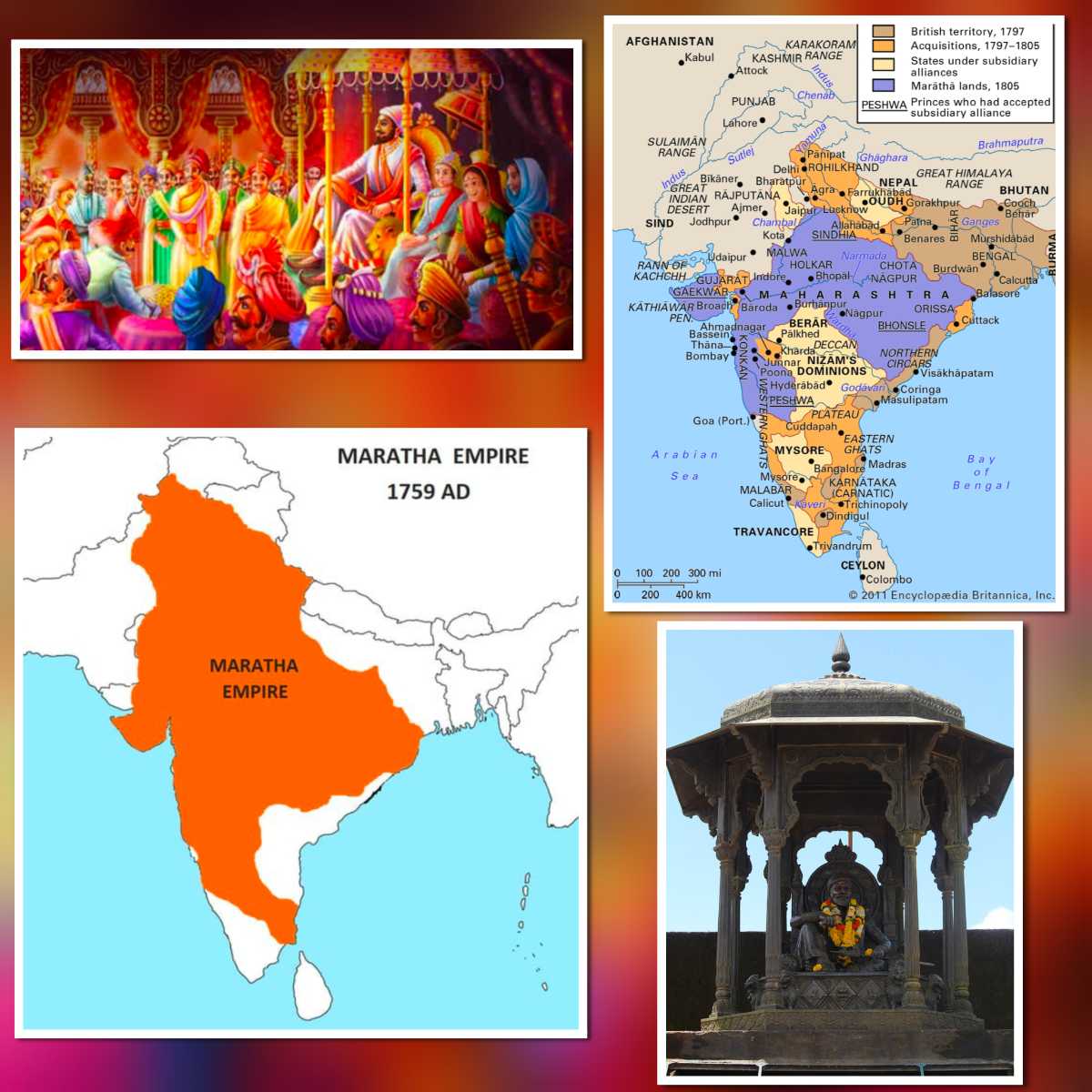
On June 6, 1674, Shivaji Maharaj was crowned as Chhatrapati at Raigad Fort. This event marked the formal establishment of the Maratha Empire. The coronation was not just a ceremonial event but a declaration of sovereignty and independence.
Administration and Governance
Shivaji Maharaj was not only a great warrior but also an excellent administrator.
Ashta Pradhan Council
He established a council of eight ministers to manage different aspects of governance, including finance, foreign affairs, and defense.
Revenue System
His taxation system was fair and ensured that farmers were not exploited.
Justice System
He emphasized justice and equality, ensuring strict punishment for corruption and injustice.
Naval Power
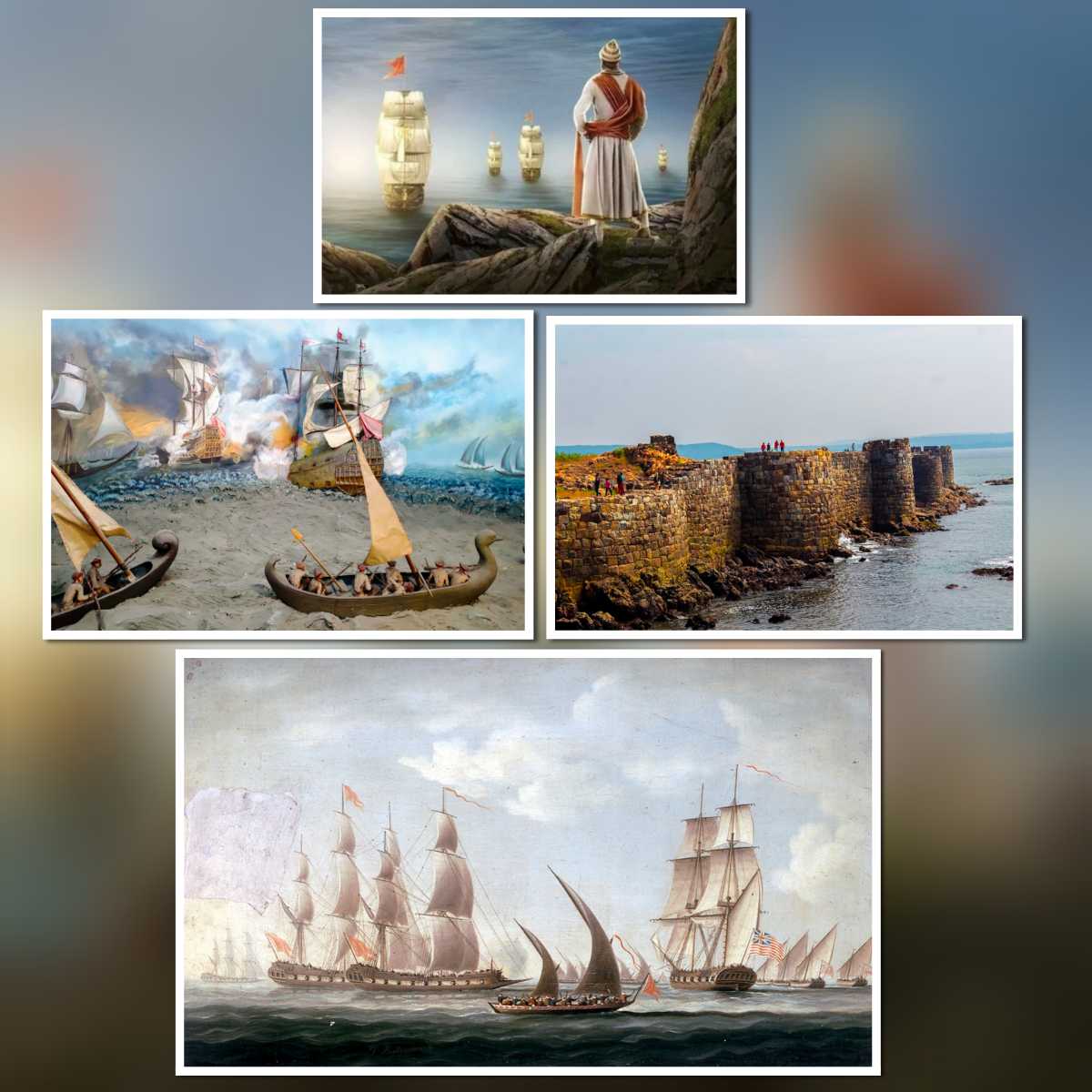
Shivaji Maharaj is known as the Father of the Indian Navy. He built a strong naval force to protect the western coastline. He constructed sea forts like Sindhudurg and Vijaydurg to secure maritime trade and defend against foreign invasions. His navy was crucial in countering the Portuguese, British, and Siddis.
Religious Policy and Social Reforms
Shivaji Maharaj was known for his religious tolerance. Despite being a Hindu ruler, he respected all religions. He ensured protection for mosques and did not allow harm to religious institutions.
He also emphasized the safety and dignity of women, strictly punishing those who violated these principles.
Cultural Contributions
Shivaji promoted Marathi and Sanskrit languages in administration. He encouraged local traditions, arts, and culture, strengthening regional identity.
Death and Aftermath of Chhatrapati Shivaji Maharaj
Death of Shivaji Maharaj
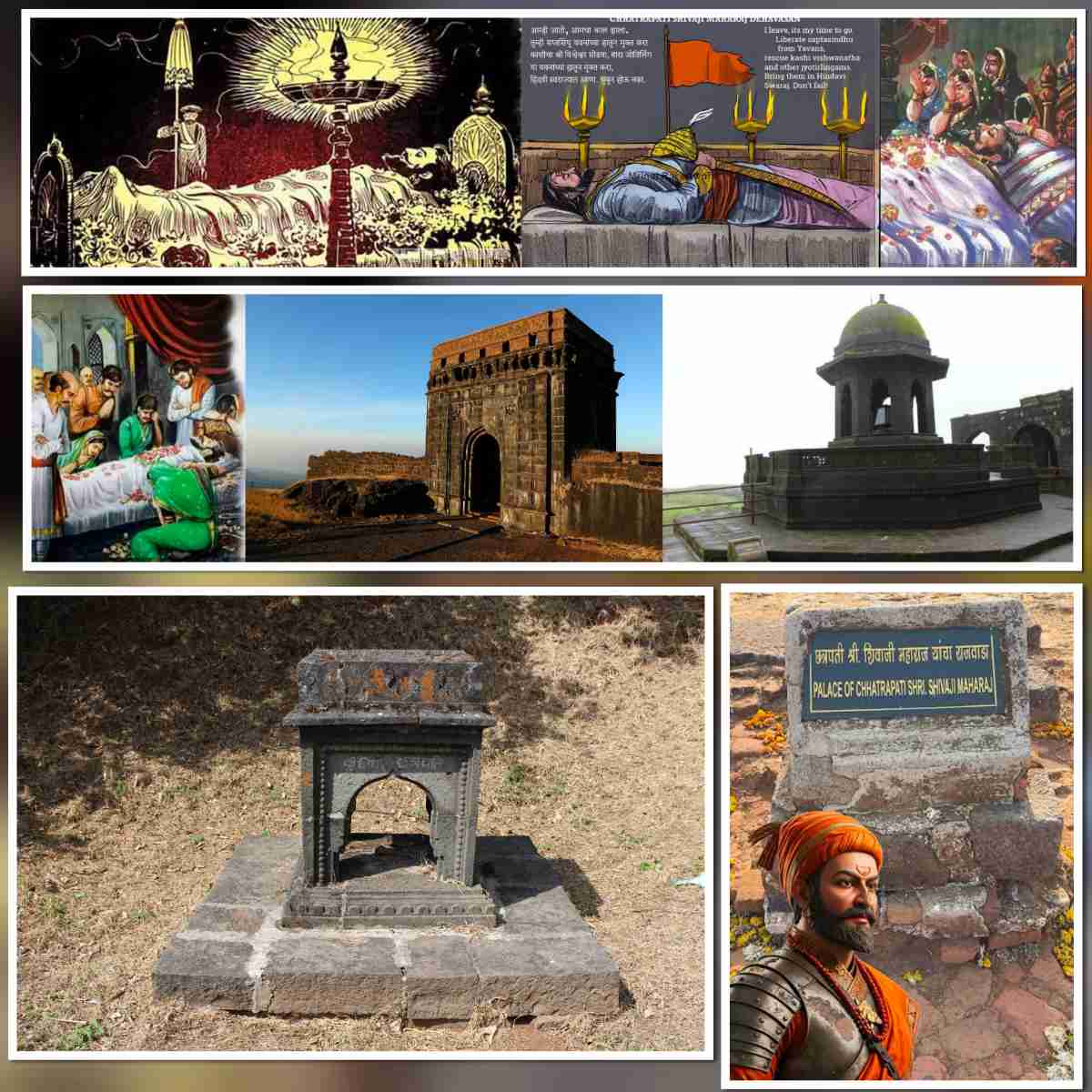
Chhatrapati Shivaji Maharaj passed away on April 3, 1680, at Raigad Fort, the capital of the Maratha Empire. Most historical records indicate that he died due to illness, likely a combination of high fever and dysentery.
His health had been deteriorating for several weeks before his death. At the time, he was around 50 years old, and the physical strain of continuous warfare, administration, and leadership responsibilities may have contributed to his condition.
Although some later theories suggest poisoning, there is no strong historical evidence to support this claim. Therefore, historians widely accept that his death was natural and illness-related.
READ THIS: Chhatrapati Shivaji Maharaj Jayanti
Immediate Aftermath Power Struggle
Shivaji Maharaj death created a sudden power vacuum in the empire. Succession Conflict His elder son Sambhaji Maharaj was the rightful heir However, a faction of ministers supported his younger son Rajaram Maharaj
This led to internal political tension and instability within the Maratha court. Eventually, Sambhaji Maharaj took control and became the next Chhatrapati.
Reign of Sambhaji Maharaj
After ascending the throne, Sambhaji Maharaj Continued his father’s mission of protecting Swarajya Fought fiercely against the Mughal Empire, especially under Aurangzeb Faced intense military pressure and internal challenges Despite his bravery, Sambhaji was later captured and executed by the Mughals in 1689.
Survival of the Maratha Empire
Even after major setbacks, the Maratha Empire did not collapse.
Under Rajaram Maharaj
Leadership shifted to Rajaram Maharaj Continued resistance against Mughal forces Used guerrilla warfare tactics (inherited from Shivaji)
Role of Tarabai
After Rajaram death His wife Tarabai took leadership She played a crucial role in keeping the Maratha resistance alive Organized military campaigns against the Mughals This period proved that Shivaji system was strong enough to survive beyond him.
Rise of the Maratha Power (Post-Shivaji Era)
In the 18th century, the Marathas became one of the most powerful forces in India Expanded across central and northern India Became dominant after the decline of the Mughal Empire Played a major role in shaping Indian political history By the mid-1700s, the Marathas controlled a large portion of the Indian subcontinent.
Legacy
Shivaji Maharaj’s legacy continues to inspire millions. He is remembered as a symbol of courage, patriotism, and good governance. His ideas of Swarajya influenced India’s freedom movement centuries later.
Important Timeline
- 1630 – Birth at Shivneri Fort
- 1646 – Capture of Torna Fort
- 1659 – Battle of Pratapgad
- 1666 – Escape from Agra
- 1674 – Coronation at Raigad
- 1680 – Death
Interesting Facts
-
- Built more than 300 forts
- Known for guerrilla warfare tactics
- Maintained strict discipline in army
- Respected even by enemies
Powerful Slogans, Quotes & Promises of Chhatrapati Shivaji Maharaj
Chhatrapati Shivaji Maharaj was not only a warrior king but also a visionary leader whose words continue to inspire millions. His slogans and principles reflect his dedication to Swarajya, justice, and righteousness.
Famous Slogans
- “Jai Bhavani, Jai Shivaji!” – A powerful war cry that symbolizes courage, devotion, and victory.
- “Swarajya is my birthright, and I shall have it.” – Represents his mission to establish self-rule.
- “Freedom is a boon, which everyone has the right to receive.”
Leadership Quotes
- “Never bend your head, always hold it high.”
- “Even if there were a sword in the hands of everyone, it is willpower that establishes a government.”
- “Do not think of the enemy as weak, but do not overestimate their strength.”
- “When you are enthusiastic, the mountain also looks like a clay pile.”
Promises & Principles
- Protection of women and their dignity under all circumstances.
- Respect for all religions and communities.
- Justice for common people and farmers.
- Establishment of Swarajya (self-rule).
- Strict discipline and honesty in administration.
Inspirational Message
Shivaji Maharaj’s words were not just slogans they were commitments that he fulfilled through his actions. His life stands as a living example of leadership, courage, and unwavering determination.
Conclusion
Chhatrapati Shivaji Maharaj was not just a king but a visionary leader who transformed Indian history. His contributions to warfare, governance, and culture make him one of the greatest rulers of all time.
His legacy of courage, justice, and self-rule continues to inspire generations across India and the world.
RAAD WORLD Tribute to Chhatrapati Shivaji Maharaj
“RAAD WORLD salutes the eternal legacy of Chhatrapati Shivaji Maharaj a fearless warrior, visionary king, and the true symbol of Swarajya whose courage continues to inspire generations.”
About The Author