The invention of the laptop revolutionized personal computing. But who actually created the first laptop in the world? The answer depends on how we define “laptop.” Let’s explore the complete story.
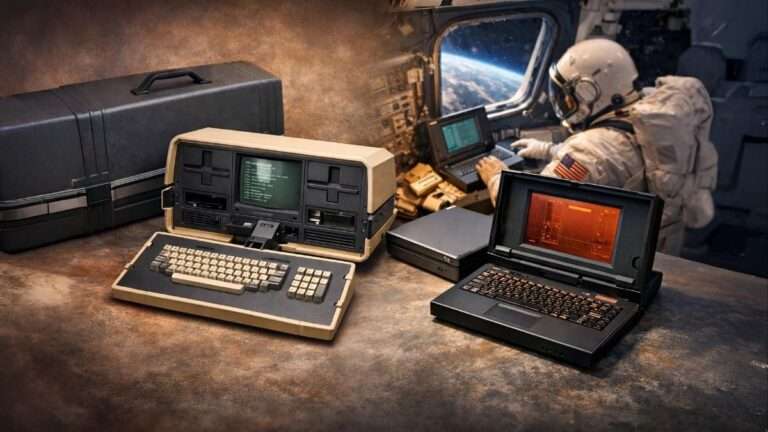
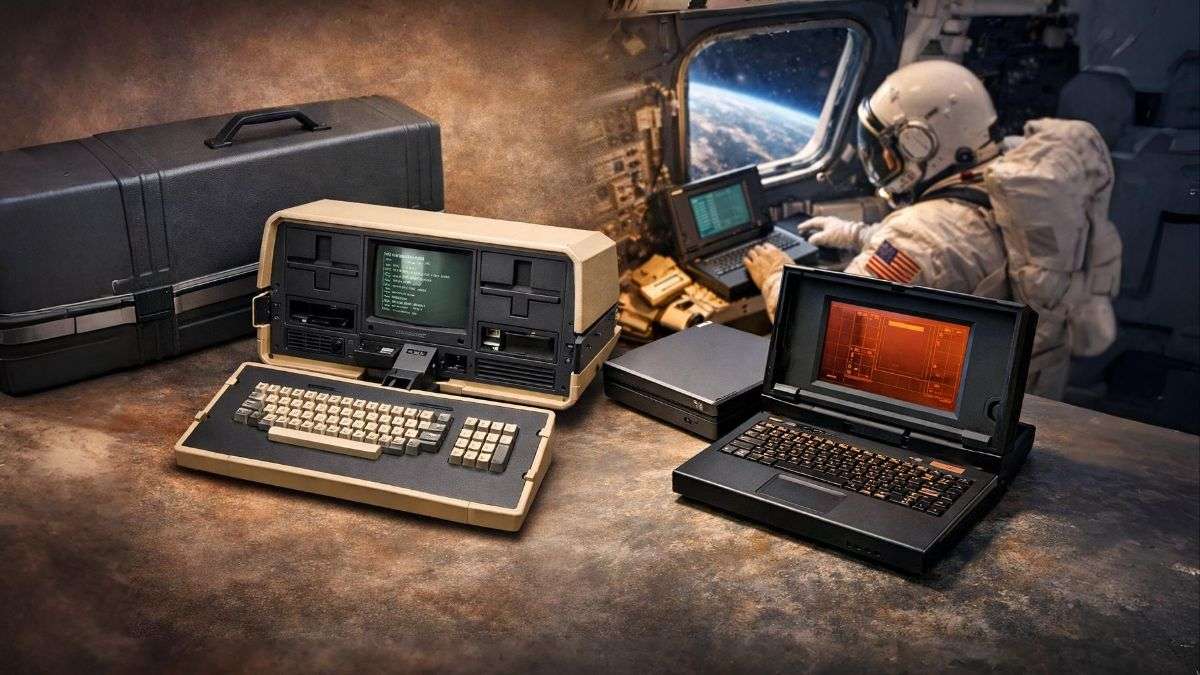
The First Commercial Portable Computer Osborne 1 (1981)
1981, entrepreneur Adam Osborne introduced the Osborne 1, widely recognized as the first commercially successful portable computer.
READ THIS: psychology behind human
Key Specifications:
- Processor: Zilog Z80 (4 MHz)
- RAM: 64 KB
- Storage: Dual floppy drives
- Display: 5-inch CRT screen
- Weight: 10.7 kg
- Price: $1,795
Though heavy by modern standards, it allowed professionals to carry computing power for the first time.
The Osborne Effect
The company collapsed after announcing a future upgraded model too early. Customers stopped buying the existing model a marketing mistake now known as the “Osborne Effect.”
The First Modern Laptop Design GRiD Compass 1101 (1982)
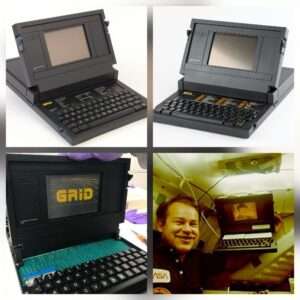
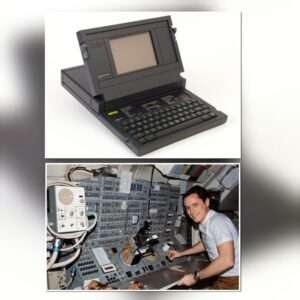
In 1982, designer Bill Moggridge created the GRiD Compass 1101 the first true clamshell laptop design similar to today’s laptops.
Why It Was Revolutionary:
- Magnesium alloy body
- Foldable screen design
- Intel 8086 processor
- Used by NASA during space missions
- Price: $8,000–$10,000
It was expensive and primarily used by government and military agencies.
The Original Laptop Concept Alan Kay (1968)
Long before commercial laptops, computer scientist Alan Kay proposed a portable computer concept called the “Dynabook.” Though never built at that time, this visionary idea inspired modern laptops and tablets.
Osborne 1 vs GRiD Compass Comparison
| Feature | Osborne 1 | GRiD Compass |
|---|---|---|
| Year | 1981 | 1982 |
| Type | Portable Computer | Modern Laptop |
| Weight | 10.7 kg | 5 kg |
| Main Users | Business Professionals | NASA & Military |
| Design | Suitcase Style | Clamshell |
Conclusion:
First commercially available portable computer Osborne 1 (1981) First modern laptop design GRiD Compass 1101 (1982) First conceptual idea Alan Kay (1968) The evolution of laptops reflects the rapid growth of technology from bulky 10 kg machines to today’s ultra-thin devices.
About The Author