Google Maps Biggest Update in a Decade: AI Ask Maps and Immersive Navigation Explained
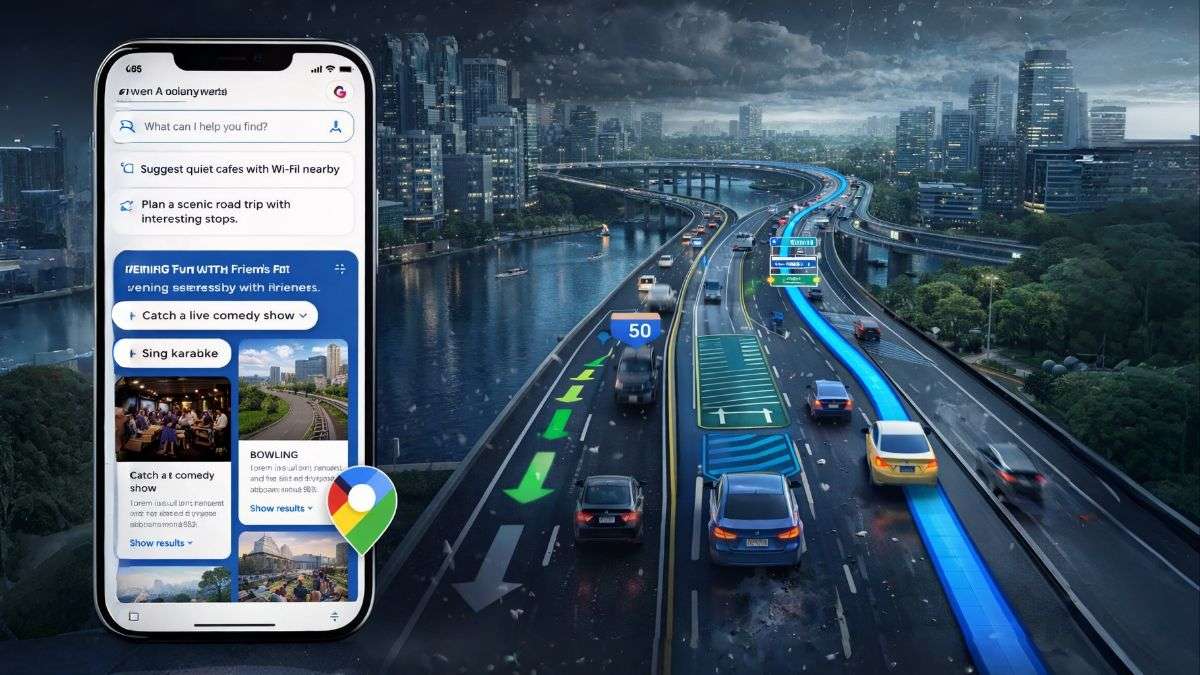
The popular navigation platform Google Maps has received what many experts are calling its largest upgrade in more than a decade, introducing advanced artificial intelligence features and a redesigned navigation experience. The update focuses on AI-powered search, immersive 3D navigation, and smarter local discovery, transforming the app from a simple navigation tool into a comprehensive travel assistant.
The announcement comes as part of Google’s broader effort to integrate its latest AI technology into everyday products, making location-based searches faster, smarter, and more personalized.
AI-Powered “Ask Maps” Feature
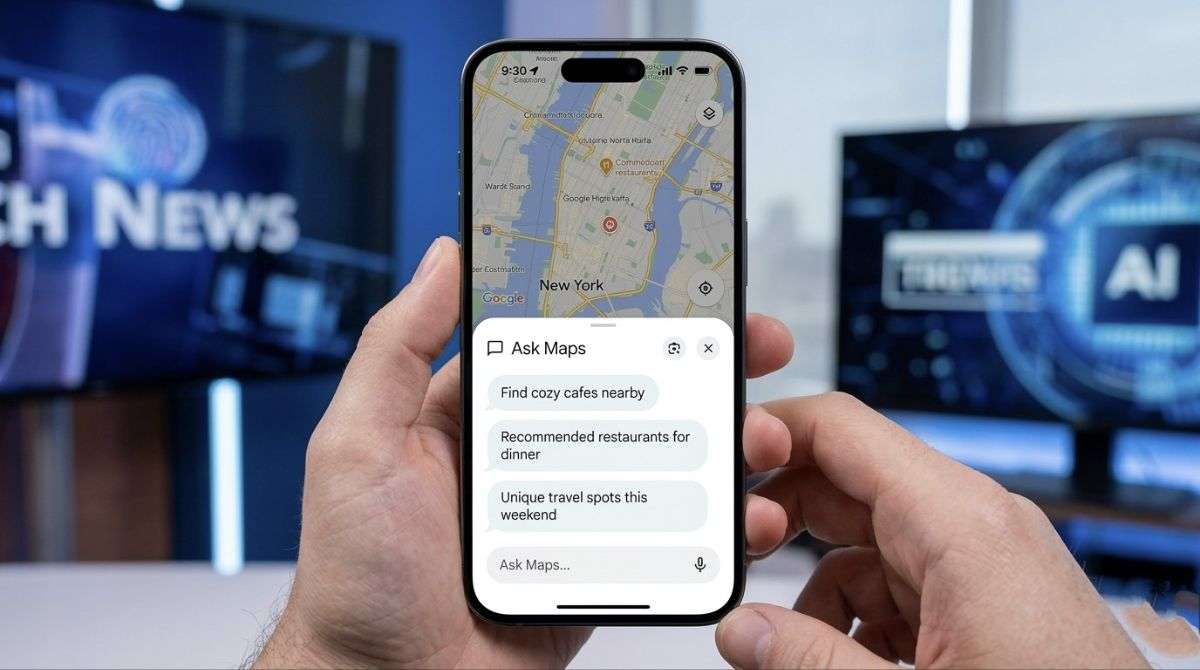
One of the most significant additions is the new Ask Maps feature powered by Gemini AI.
This tool allows users to interact with Maps in a conversational way. Instead of typing simple keywords, users can ask complex questions such as:
- “Find quiet cafes with Wi-Fi nearby.”
- “Suggest good places for a family dinner tonight.”
- “Plan a scenic road trip with interesting stops.”
The AI analyzes millions of reviews, photos, and local data points to provide personalized recommendations. This makes searching for places feel more like talking to a digital assistant than using a traditional map.
Immersive Navigation Experience
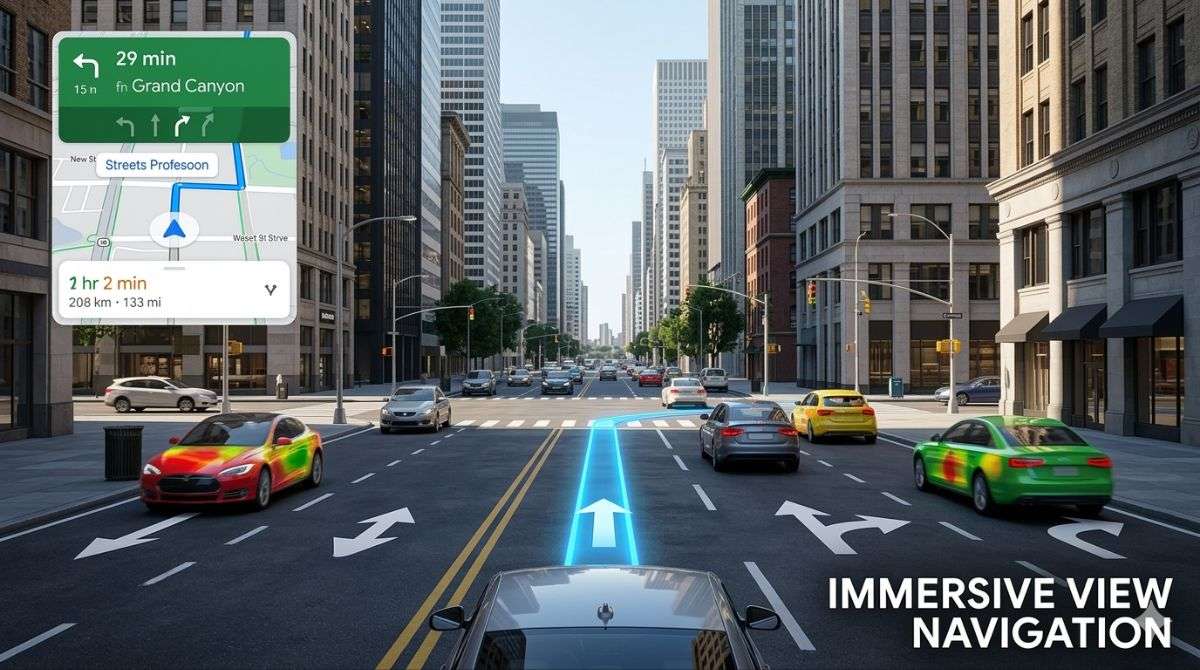
Another major improvement is Immersive Navigation, which introduces a realistic 3D visualization of routes.
With this feature, users can preview their journey before starting the trip. The system shows:
- Realistic buildings and landmarks
- Traffic conditions
- Road lanes and intersections
- Weather conditions along the route
This immersive experience helps drivers and travelers better understand complicated road layouts and avoid confusion during navigation.
Expanded Immersive View for Routes
Google has also expanded its Immersive View technology. Previously limited to specific landmarks, it now covers complete travel routes.
Users can virtually explore the entire journey in advance, including:
- Detailed route simulations
- Real-time traffic predictions
- Environmental conditions like rain or clouds
This technology uses AI and computer vision to combine satellite imagery, street-level data, and mapping information.
Smarter Local Discovery
The upgrade also introduces improvements in local discovery features. The platform can now provide deeper insights about locations, including:
- Busy hours and crowd levels
- Parking availability
- Accessibility information
- Electric vehicle charging stations
By analyzing large datasets from businesses and user reviews, the app can highlight the most relevant places based on user preferences.
Global Rollout
The new features are being rolled out gradually across regions. The update is available on:
- Android devices
- iOS devices
Initial availability focuses on major cities worldwide, with broader expansion expected over the coming months.
Conclusion:
With the integration of AI and immersive mapping technologies, Google Maps is evolving into a next-generation navigation platform. The new update improves how users discover places, preview travel routes, and navigate complex road networks.
As artificial intelligence continues to shape digital services, Google’s latest update demonstrates how mapping platforms can become intelligent travel companions rather than simple navigation tools.
About The Author