Income Tax Act 2025: Can Tax Officers Access Bank, Email & Social Media From April 1, 2026?

In recent months, social media posts and viral thumbnails have created fear by claiming that from April 1, 2026, tax officers in India will freely access citizens’ bank accounts, emails, and social media profiles, signalling the “end of privacy.” These claims are misleading and incomplete. The actual legal position is very different and far more limited than what is being circulated online.
What Really Changes From April 1, 2026?
From April 1, 2026, the Income Tax Act, 2025 will come into force, replacing the Income Tax Act, 1961. The new Act reorganises and modernises tax provisions to reflect today’s digital economy. One such update relates to search and seizure powers during tax investigations, especially where income or assets are stored digitally instead of physically.
Under the new law, tax authorities are allowed to consider digital data as evidence during investigations. This includes information stored in emails, online accounts, digital wallets, cloud storage, and social media, but only under strict legal conditions.
Read This Article Also: Prime Ministers of India: Year-wise Tenure, Work, Schemes and GDP Growth (1947–2025)
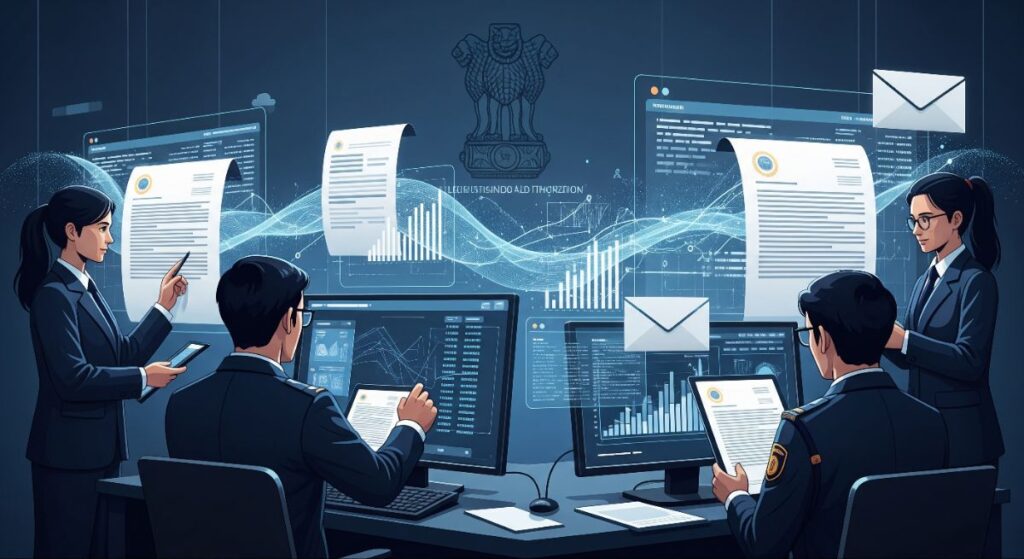
Does This Mean Everyone’s Accounts Can Be Checked? No. Absolutely not.
Tax officers cannot randomly access your bank account, WhatsApp, Gmail, Instagram, or any social media account just because the law has changed. Access to digital information is permitted only when all of the following conditions are met:
- There is credible evidence of tax evasion or undisclosed income
- A formal investigation or search proceeding is approved
- Proper legal authorisation is obtained under the Act
- The access is limited to information relevant to the case
This is similar to physical searches that already exist under current tax laws only the scope is extended to digital assets.
Why Was This Change Introduced?
Earlier tax laws focused mainly on physical documents and cash. Today, financial records, business transactions, and even undisclosed income are often hidden digitally. The updated law ensures that investigators can legally examine digital evidence when serious tax evasion is suspected, instead of being restricted to outdated methods. This change aligns India’s tax framework with global best practices, where digital trails are considered valid evidence in financial crimes.
What the Government Has Clarified
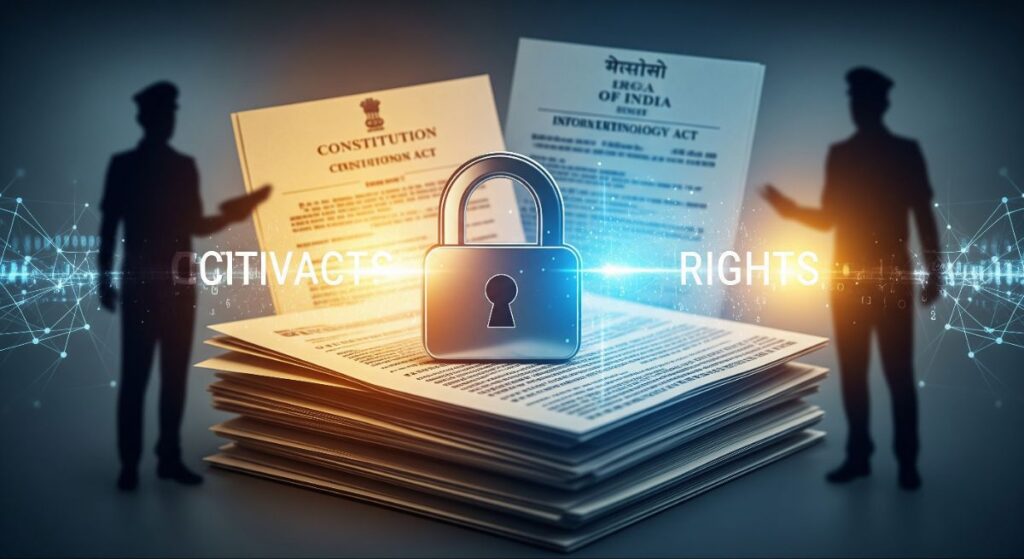
The government and tax experts have clearly stated that this provision does not authorise mass surveillance or routine monitoring of citizens’ online activity. Fact-checks by reputed financial news platforms have confirmed that law-abiding taxpayers have nothing to fear. If you file accurate returns and comply with tax laws, your privacy remains protected.
Key Takeaway for Taxpayers
- There is no blanket power to monitor all citizens
- Digital access is case-specific and evidence-based
- Honest taxpayers are not affected
- The rule targets serious tax evasion, not normal users

Read This Article Also: Why Instagram Is Not Showing the Live Option Without 1,000 Followers
Conclusion: The claim that “tax officers will access everyone’s bank and social media accounts from April 1, 2026” is false and exaggerated. The real change is about updating investigative powers for the digital age with legal safeguards intact. Responsible reporting and informed understanding are crucial to avoid unnecessary panic.
Sources for Verification
- Official provisions of the Income Tax Act, 2025
- Clarifications by the Ministry of Finance
- Reports from financial news platforms such as LiveMint and Upstox
- Legal expert analysis on digital search and seizure provisions
About The Author