India Calls All-Party Meeting on West Asia Crisis Today: Key Details, Agenda and National Impact
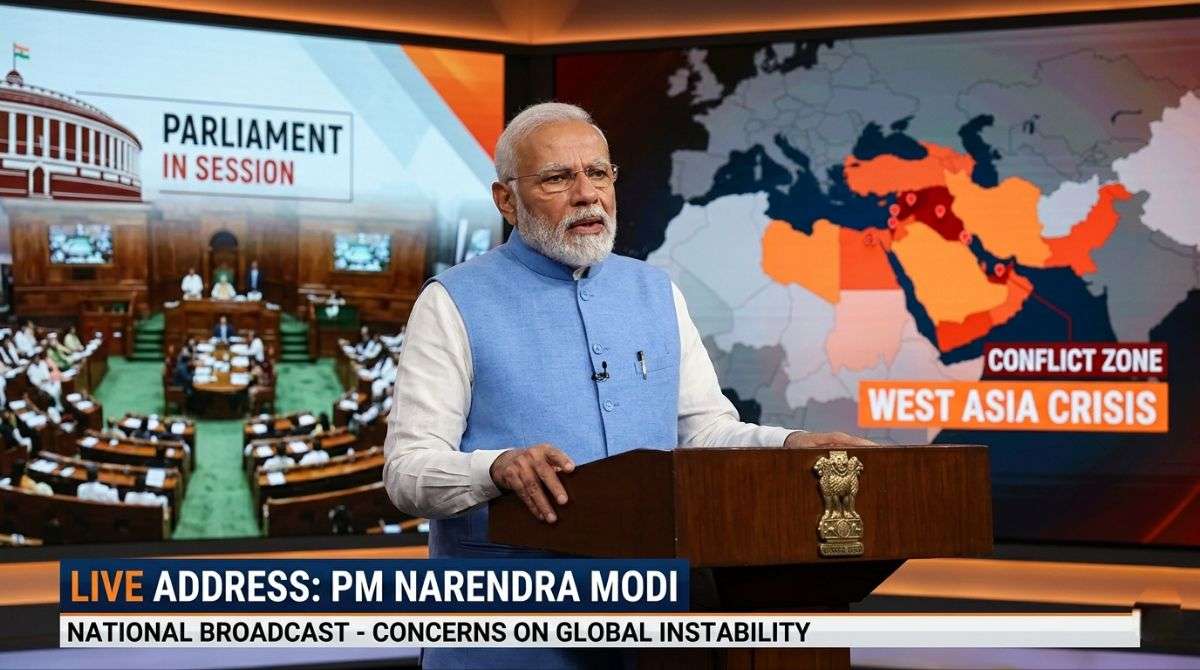
In a significant move reflecting growing global concerns, the Government of India has convened an all-party meeting on March 25 to deliberate on the escalating crisis in West Asia.
The high-level meeting is scheduled to take place around 5 PM and aims to bring together leaders across the political spectrum to discuss India’s strategic response.
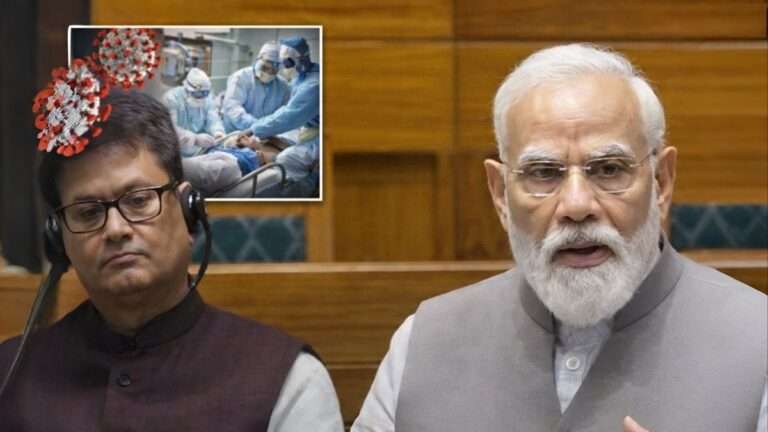
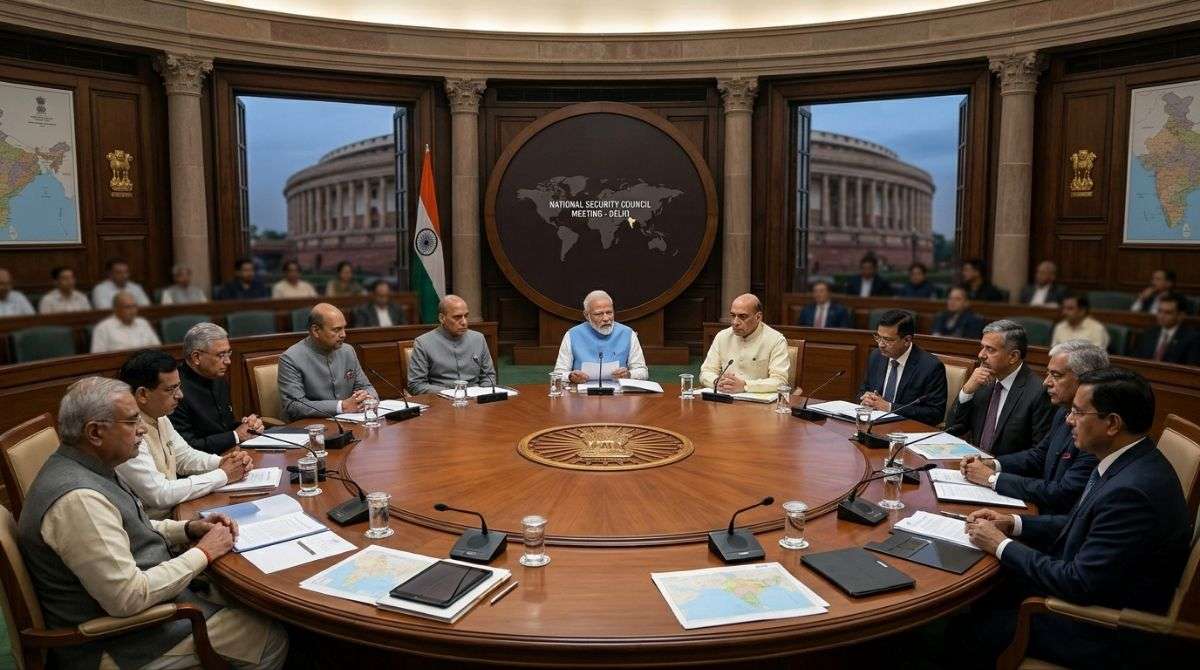
The meeting is expected to be chaired by Defence Minister Rajnath Singh, with participation from senior government officials and opposition leaders. Prime Minister Narendra Modi has already emphasized the importance of a unified national approach in dealing with international crises.
Why This Meeting Matters
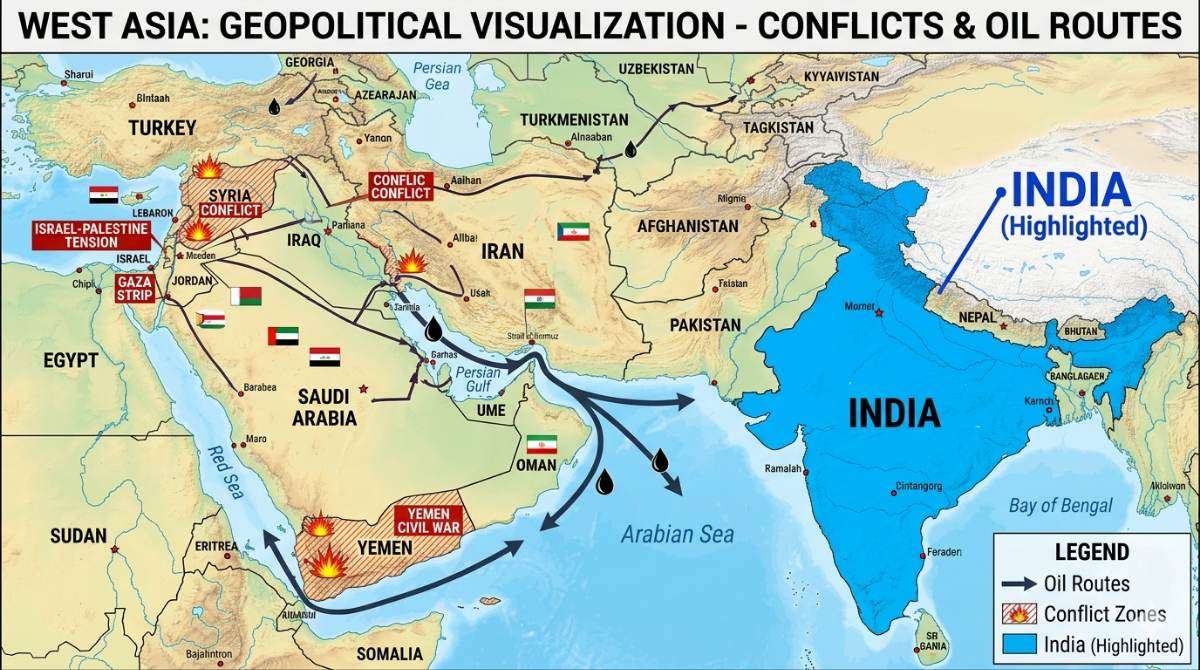
The West Asia region, often referred to as the Middle East, is currently witnessing heightened geopolitical tensions. These developments have direct implications for India due to
Heavy dependence on the region for oil and energy imports Presence of millions of Indian expatriates Strategic diplomatic relations with multiple countries in the region
The all-party meeting aims to ensure that all political stakeholders are informed and aligned on India’s diplomatic, economic, and security strategies.
Government’s Stand and Official Inputs
While the Press Information Bureau has highlighted the seriousness of the West Asia situation in recent briefings, the Ministry of External Affairs continues to closely monitor developments.
External Affairs Minister S. Jaishankar has been actively engaging with global counterparts to safeguard India’s interests and ensure the safety of Indian nationals abroad.
Key Agenda of the Meeting
The discussions are expected to revolve around:
India’s diplomatic stance on the ongoing conflict Evacuation and safety plans for Indian citizens Impact on global oil prices and Indian economy Strengthening national security preparedness Coordination between ruling and opposition parties
This collaborative approach highlights India’s democratic framework, where national interests take precedence over political differences.
READ THIS: PM Modi on Middle East Crisis
Impact on India: What to Expect
The crisis in West Asia could have wide-ranging consequences for India:
Fuel Prices: Any disruption in oil supply could lead to rising fuel costs
Economy: Increased import bills may impact inflation and fiscal balance
Diaspora Safety: Government may need contingency evacuation plans
Trade Routes: Shipping and logistics could face disruptions
A Unified Political Response
The decision to hold an all-party meeting reflects the government’s intent to maintain transparency and build consensus during a global crisis. It also sends a strong message internationally that India stands united in safeguarding its national interests.
Conclusion: India’s all-party meeting on the West Asia crisis marks a crucial step in addressing one of the most pressing geopolitical challenges of the moment. With global tensions rising, the outcome of this meeting could shape India’s diplomatic and economic strategy in the coming weeks.
About The Author