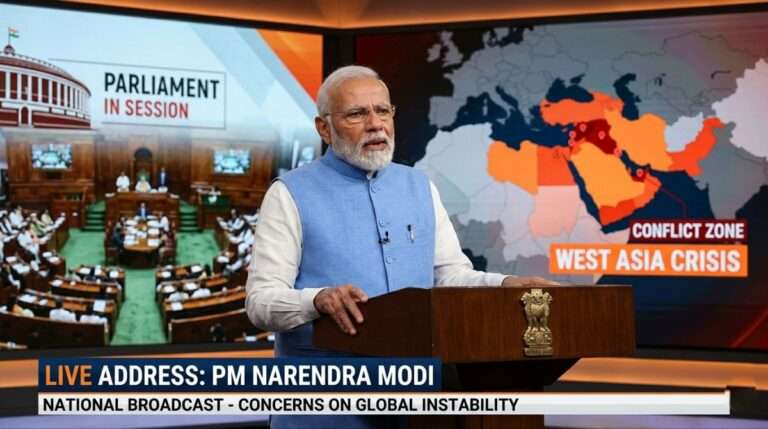
India May Reduce Content Takedown Time to 1 Hour What the New Proposal Means for Social Media Platforms
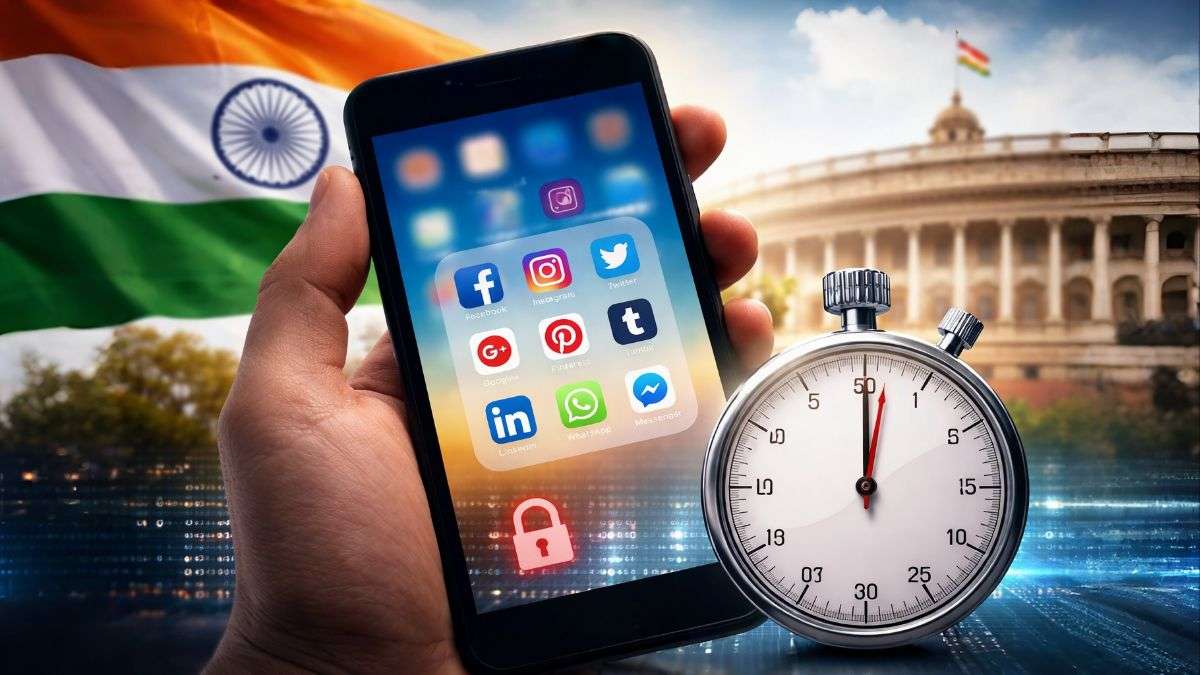
India May Reduce Content Takedown Time to 1 Hour What the New The digital ecosystem in India is evolving rapidly, and with it, the rules governing online content are becoming stricter.
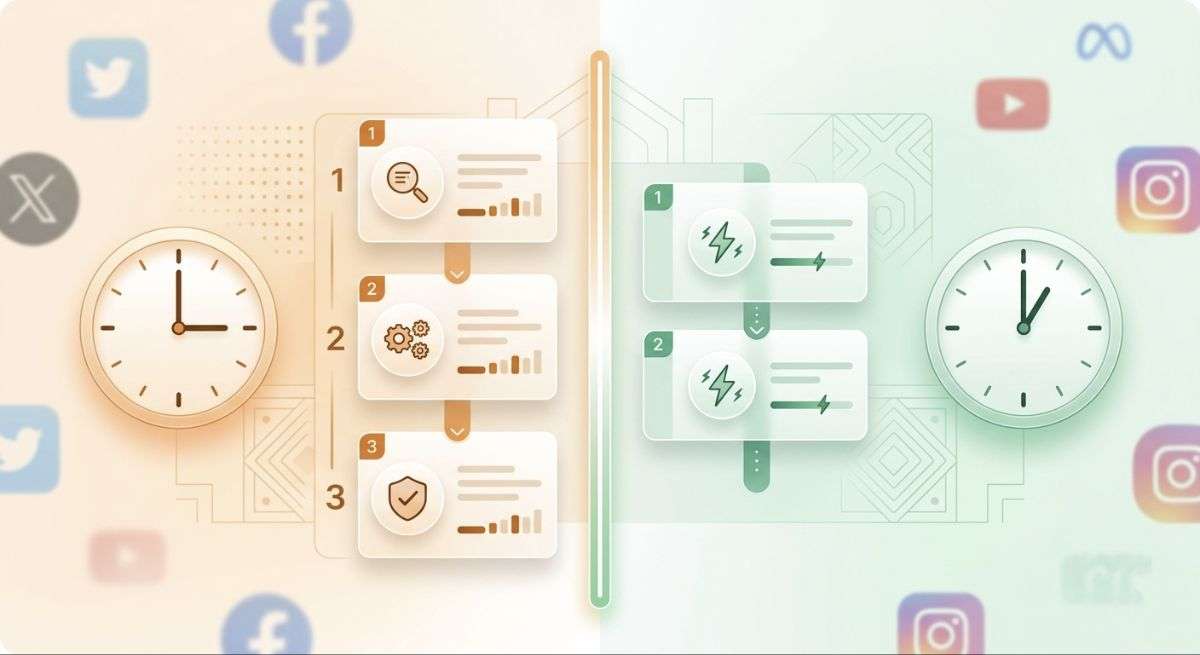
Recent reports indicate that the government is exploring the possibility of reducing the time given to social media platforms to remove flagged content from the current three-hour window to just one hour.
While this has sparked widespread discussion, it is important to understand what is officially confirmed and what remains under consideration. Means for Social Media Platforms
READ THIS: PAN Card New Rules 2026
Current Legal Framework
Online content regulation in India operates under the Information Technology Act, 2000 and the Information Technology (Intermediary Guidelines and Digital Media Ethics Code) Rules, 2021.
Following recent amendments in 2026, intermediaries such as Facebook, Instagram, and X (Twitter) are required to:
- Remove unlawful or flagged content within three hours
- Act immediately on government-issued blocking orders
- Ensure compliance to retain legal protection under safe harbour provisions
This three-hour rule is currently one of the fastest response requirements globally.
What Is Being Proposed
According to recent discussions reported by The Indian Express, policymakers are evaluating whether the takedown window should be reduced further to one hour.
The proposal is still at a preliminary stage, and no official notification has been issued. Government officials have indicated that any decision will depend on how effectively platforms comply with the existing framework.
Why the Government Is Considering This Change
1. Rapid Spread of Information
Content today spreads within minutes, especially through short videos and messaging platforms. Delayed action can allow harmful content to reach millions.
2. Misinformation and Public Safety
False information, deepfakes, or inflammatory posts can lead to real-world consequences, including panic or unrest.
3. Strengthening Digital Accountability
A shorter response window would push platforms to improve monitoring systems and respond more efficiently.
Existing One-Hour Rule (Special Cases)
It is important to note that a one-hour removal requirement already exists for certain types of sensitive content, such as Non-consensual intimate imagery Highly harmful or privacy-violating material The current proposal aims to explore whether such a strict timeline can be applied more broadly.
Global Perspective
Compared to international standards, India already enforces one of the strictest timelines for content removal. In many countries, takedown timelines range from several hours to even days depending on the nature of the content.
Reducing the window further to one hour would place India among the most stringent regulatory environments for digital platforms.

READ THIS: India Blocks 300 Betting Apps
What This Means for Users and Creators
If implemented, the change could significantly impact how content is created and shared online Faster removal of misleading or harmful content Increased accountability for creators and publishers Higher risk of content being taken down due to stricter monitoring
For digital creators, this makes fact-checking and responsible publishing more important than ever.
Final Analysis
At present, the three-hour takedown rule remains the official and enforceable standard. The proposed one-hour timeline is still under discussion and has not been implemented.
The development reflects the government’s intent to tighten digital governance, but any final decision will likely balance enforcement with practical challenges faced by platforms.
Fact Check Summary
| Topic | Status |
|---|---|
| 3-hour takedown rule | Official and active |
| 1-hour rule (general) | Under consideration |
| 1-hour rule (specific cases) | Already exists |
| New law notification | Not issued |
Conclusion:
India’s approach to online content regulation continues to evolve in response to the fast-changing digital landscape. While the idea of a one-hour takedown window signals stricter oversight, it remains a proposal for now.
Users, platforms, and creators should stay informed and prepared for potential changes that could reshape how online content is managed in the near future.
About The Author