India Germany Submarine Deal Is Project-75(I) Set to Become India’s Biggest Defence Agreement?

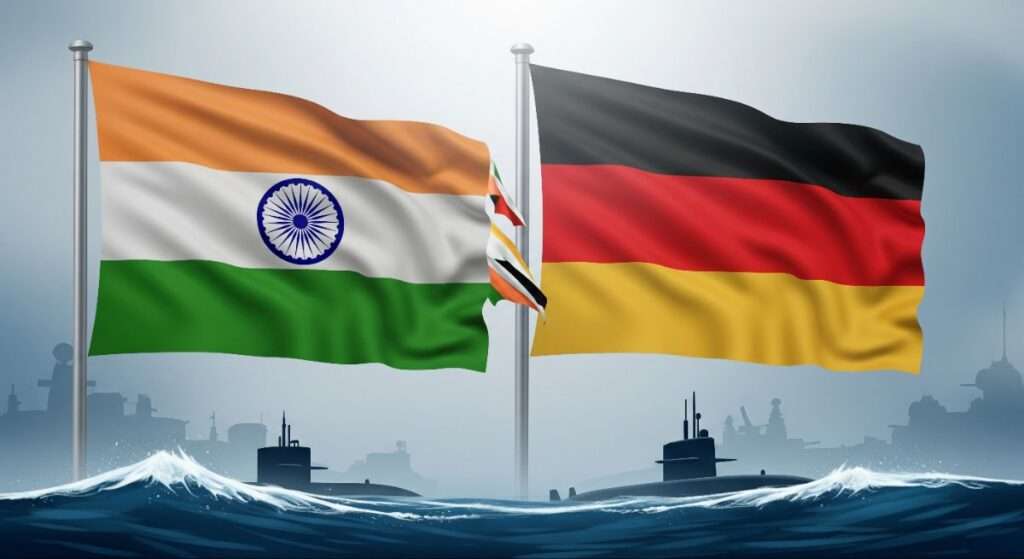
India is on the brink of a major transformation in its naval power, as negotiations with Germany under Project-75(I) enter an advanced stage. The proposed India–Germany submarine agreement, valued at around $8 billion, has attracted national and international attention and is being described as a potential milestone in India’s defence manufacturing journey.
What Is Project-75(I)?
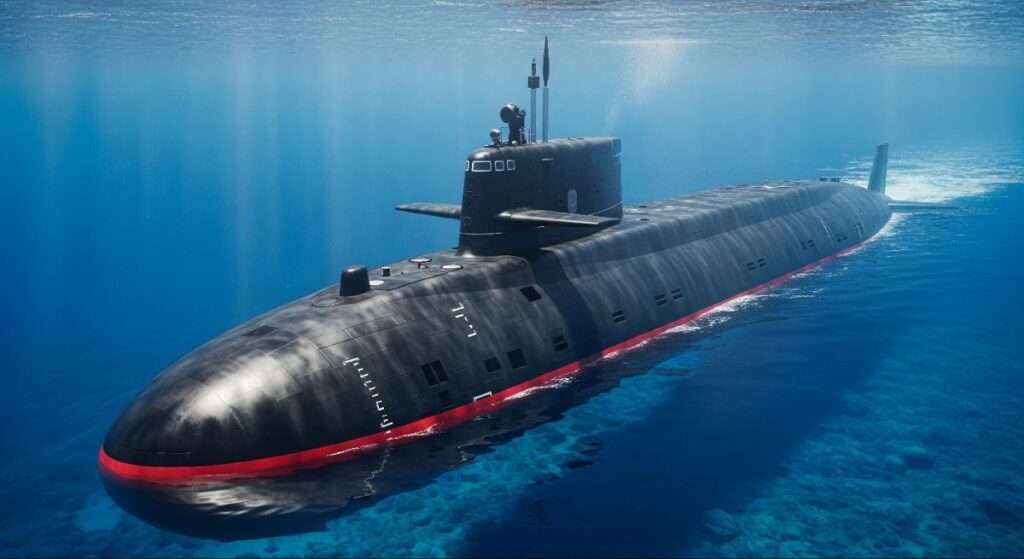
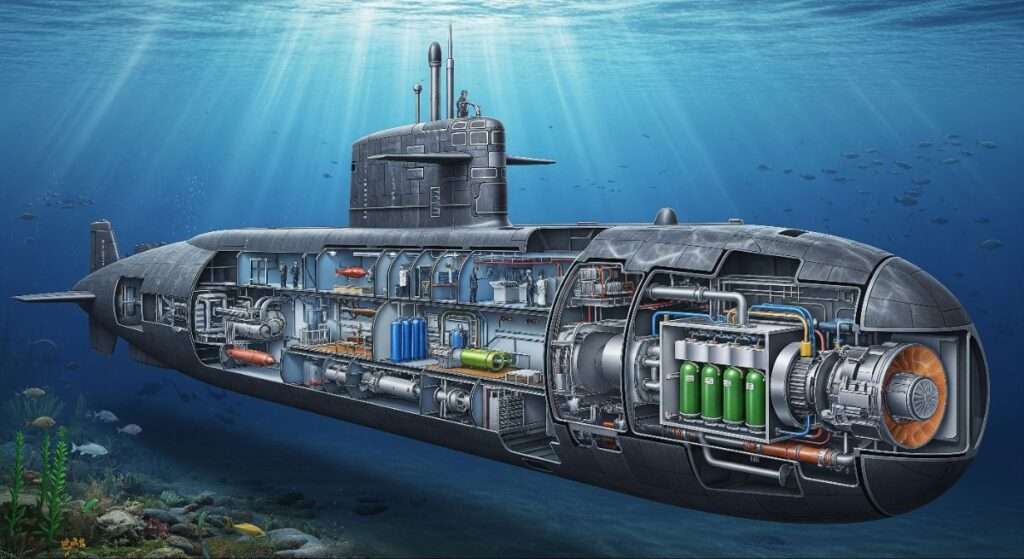
Project-75(I) is an Indian Navy programme aimed at acquiring six next-generation conventional submarines equipped with Air-Independent Propulsion (AIP) technology. AIP systems allow submarines to remain submerged for extended periods, significantly improving stealth and operational capability compared to traditional diesel-electric submarines.
Read This Article Also: Top 10 countries by youth population
The project is part of India’s broader effort to modernise its ageing submarine fleet and address critical capability gaps in undersea warfare.
Why Germany Is a Key Partner
Germany’s ThyssenKrupp Marine Systems (TKMS) has emerged as the leading foreign collaborator for Project-75(I). TKMS is globally recognised for its advanced non-nuclear submarine designs, particularly those incorporating proven AIP technology.
Under the proposed framework:
- Submarines would be built in India
- Mazagon Dock Shipbuilders Limited (MDL) would act as the Indian production partner
- Germany would provide design expertise and technology transfer
- A significant portion of manufacturing and integration would take place domestically
This approach aligns closely with India’s “Make in India” and self-reliance in defence objectives.
Deal Value and Current Status
Media and defence industry reports indicate that the India–Germany submarine deal is valued at approximately $8 billion (₹70,000 crore+), making it one of the most expensive defence procurement programmes in India’s history.
Important clarification:
- The deal has NOT yet been officially signed
- Government-to-government negotiations and commercial discussions are ongoing
- Defence ministry approvals for advanced negotiations have already been granted
- Finalisation is expected once pricing, technology transfer terms, and timelines are fully agreed
Calling it “India’s biggest defence deal” is based on projected value, not on a signed contract.

Strategic Importance for India
1. Strengthening Naval Deterrence
India operates in a region with increasing maritime competition. Modern conventional submarines with AIP capability provide enhanced deterrence, surveillance, and sea-denial capacity.
2. Indigenous Defence Manufacturing
Unlike earlier submarine acquisitions, Project-75(I) places strong emphasis on domestic construction, skill development, and long-term industrial capability.
3. Technology Transfer
If concluded as planned, the deal would mark one of the most significant transfers of advanced submarine technology to India, reducing long-term dependence on foreign suppliers.
4. Fleet Modernisation
Several submarines in India’s current fleet are approaching the end of their operational life. Project-75(I) is essential to prevent a sharp decline in undersea combat readiness.
How This Deal Differs from Earlier Submarine Projects
| Aspect | Earlier Projects | Project-75(I) |
|---|---|---|
| Technology Level | Limited | Advanced AIP |
| Local Manufacturing | Partial | Extensive |
| Design Control | Foreign-led | Shared |
| Strategic Focus | Procurement | Capability Building |
This shift reflects India’s evolving defence policy, where long-term capability matters more than short-term purchases.
Challenges and Considerations
While the project holds enormous promise, several challenges remain:
- High cost and budget allocation pressure
- Long construction timelines
- Complexity of integrating advanced foreign technology
- Need for strict quality control and skill development
These factors explain why negotiations have taken time and why careful evaluation continues.
Read This Article Also: Prime Ministers of India: Year-wise Tenure, Work, Schemes and GDP Growth (1947–2025)
Conclusion: The India–Germany submarine deal under Project-75(I) represents far more than a defence purchase. It is a strategic investment in India’s naval future, industrial base, and technological self-reliance.
While the agreement is not yet officially concluded, credible reports confirm that it is closer to finalisation than ever before. If signed, it could become one of India’s most significant defence partnerships and a defining moment for indigenous submarine manufacturing.
Until formal confirmation is issued, responsible reporting and fact-based discussion remain essential.
RAAD WORLD Insight
“Big defence deals are not just about numbers. They shape national security, industry capability, and strategic autonomy for decades.”
About The Author