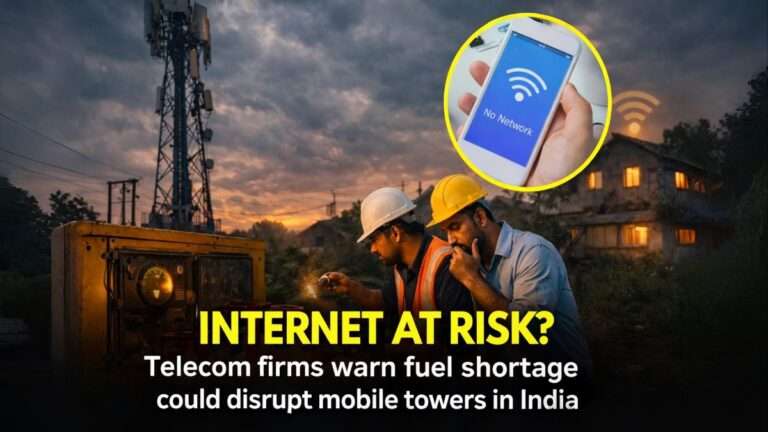
Internet at Risk? Telecom Firms Warn Fuel Shortage Could Disrupt Mobile Towers and Internet Services in India
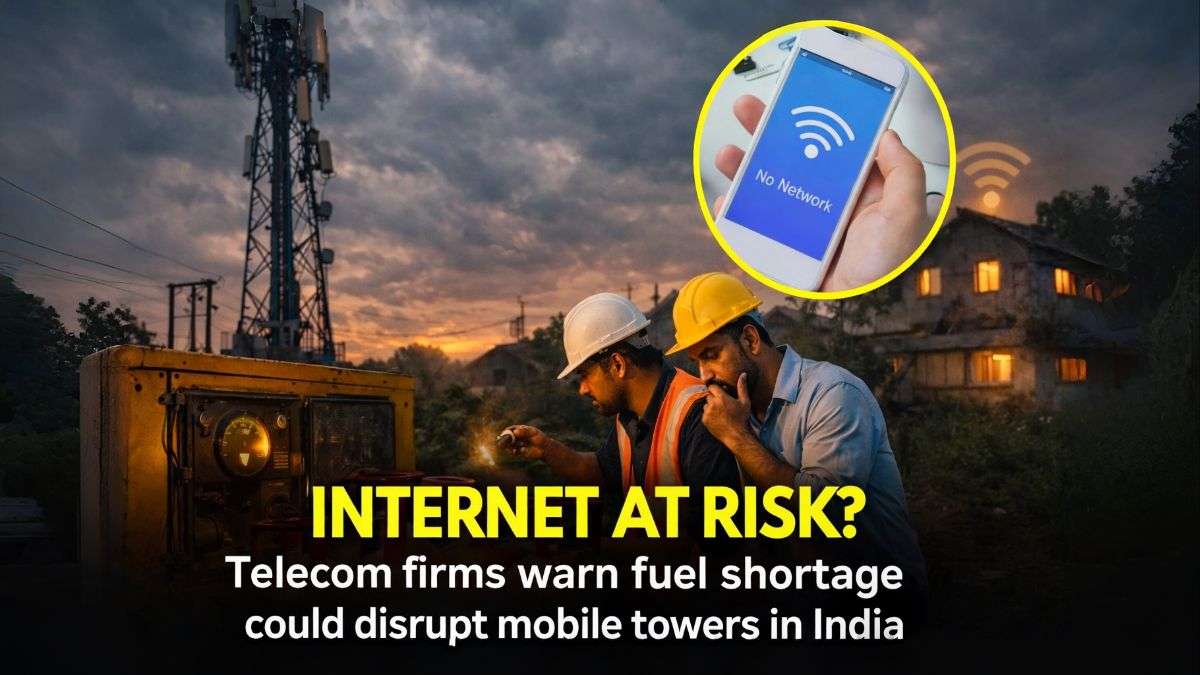
India’s telecom infrastructure could face operational challenges if fuel supply disruptions occur, according to warnings from major telecom operators. Industry experts say that mobile towers depend on backup power systems, and shortages of fuel used for generators could affect network stability, particularly during prolonged power outages.
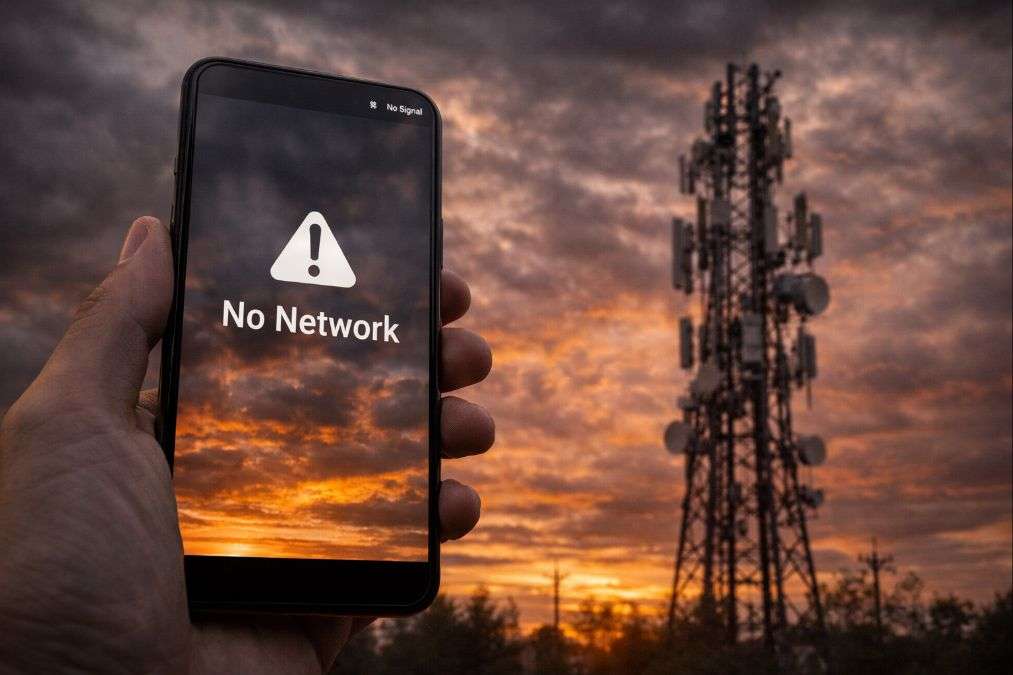
While there is no immediate nationwide internet shutdown threat, telecom companies have raised concerns that continued fuel supply issues could potentially disrupt mobile towers and internet services in certain regions.
Why Mobile Towers Need Fuel Backup
Mobile towers operate primarily on electricity supplied from the grid. However, frequent power cuts in several areas require telecom operators to maintain backup systems to keep networks running.
Most telecom towers rely on a combination of:
- Battery backup systems
- Diesel or LPG-powered generators
- Hybrid energy solutions including solar power
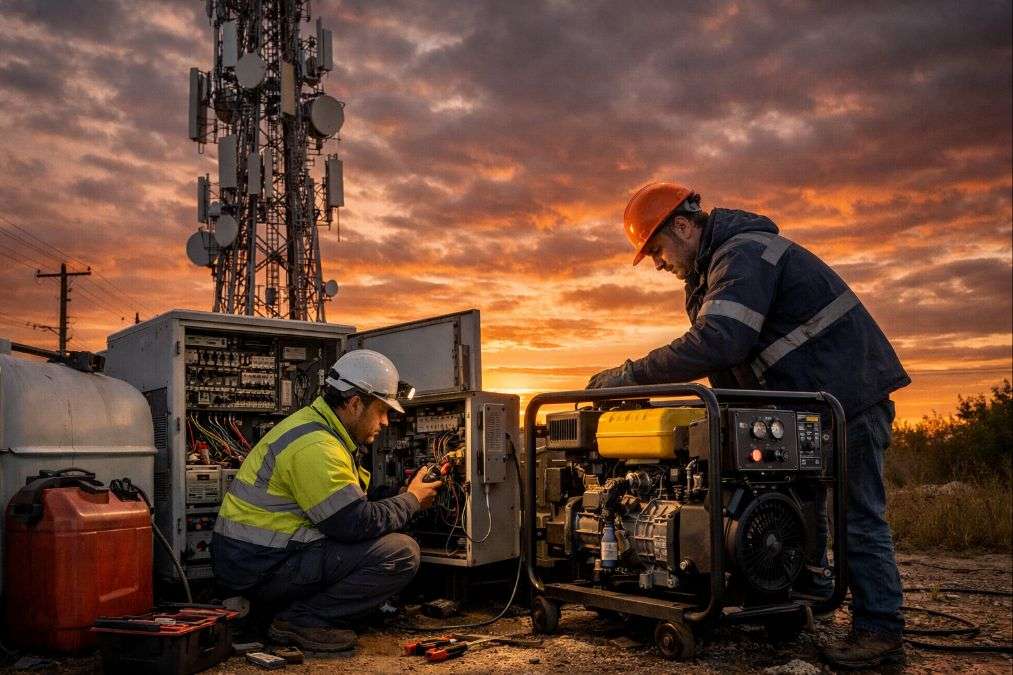
Battery backups typically support towers for only a few hours. After that, generators are required to keep towers operational. If fuel for these generators becomes unavailable, the towers may shut down until power is restored.
READ THIS: WhatsApp New SIM Binding Rule 2026 in India
Telecom Companies Raise Concerns
Leading telecom companies have reportedly alerted authorities about the importance of ensuring uninterrupted fuel supply for telecom infrastructure. Telecom networks are considered critical national infrastructure, especially during emergencies when communication systems are essential.
Companies including Reliance Jio, Bharti Airtel, and Vodafone Idea operate across millions of users and depend on thousands of towers nationwide.
Infrastructure companies such as Indus Towers manage large portions of the country’s telecom tower network. These companies emphasize that consistent fuel logistics are necessary to maintain network reliability.
Potential Impact on Internet Services
India currently has over 700,000 telecom towers serving hundreds of millions of mobile users. If towers lose power due to fuel shortages or prolonged electricity outages, users may experience:
- Mobile network signal loss
- Internet connectivity issues
- Dropped calls
- Slower data speeds
Rural and remote areas are usually more vulnerable to such disruptions because they often experience longer power outages and depend heavily on generator backup.
Government and Industry Response
Telecom operators have requested authorities to ensure that telecom infrastructure receives priority access to fuel supplies during logistical disruptions.
In the past, telecom infrastructure has been classified as essential infrastructure, especially during crises such as natural disasters or pandemic lockdowns. This classification helps ensure uninterrupted services by prioritizing fuel and operational support.
Is India’s Internet Really at Risk?
At present, there is no official confirmation of widespread internet disruption across India. Industry experts say the warnings are largely precautionary, highlighting the importance of maintaining fuel supply chains for telecom operations.
Most telecom towers maintain fuel reserves and battery backup systems designed to handle temporary disruptions. However, prolonged supply shortages could create localized service interruptions if not addressed.
Conclusion:
Telecom networks form the backbone of modern digital communication, supporting everything from mobile calls and internet access to financial transactions and emergency services. Ensuring uninterrupted power supply for telecom towers is therefore critical.
While the current warnings highlight a potential risk related to fuel supply disruptions, India’s telecom infrastructure continues to operate normally. Authorities and telecom operators are expected to coordinate closely to prevent any major service disruptions.
About The Author