Karnataka Hailstorm 2026: IMD Explanation, Causes, and Truth Behind Hail Rain

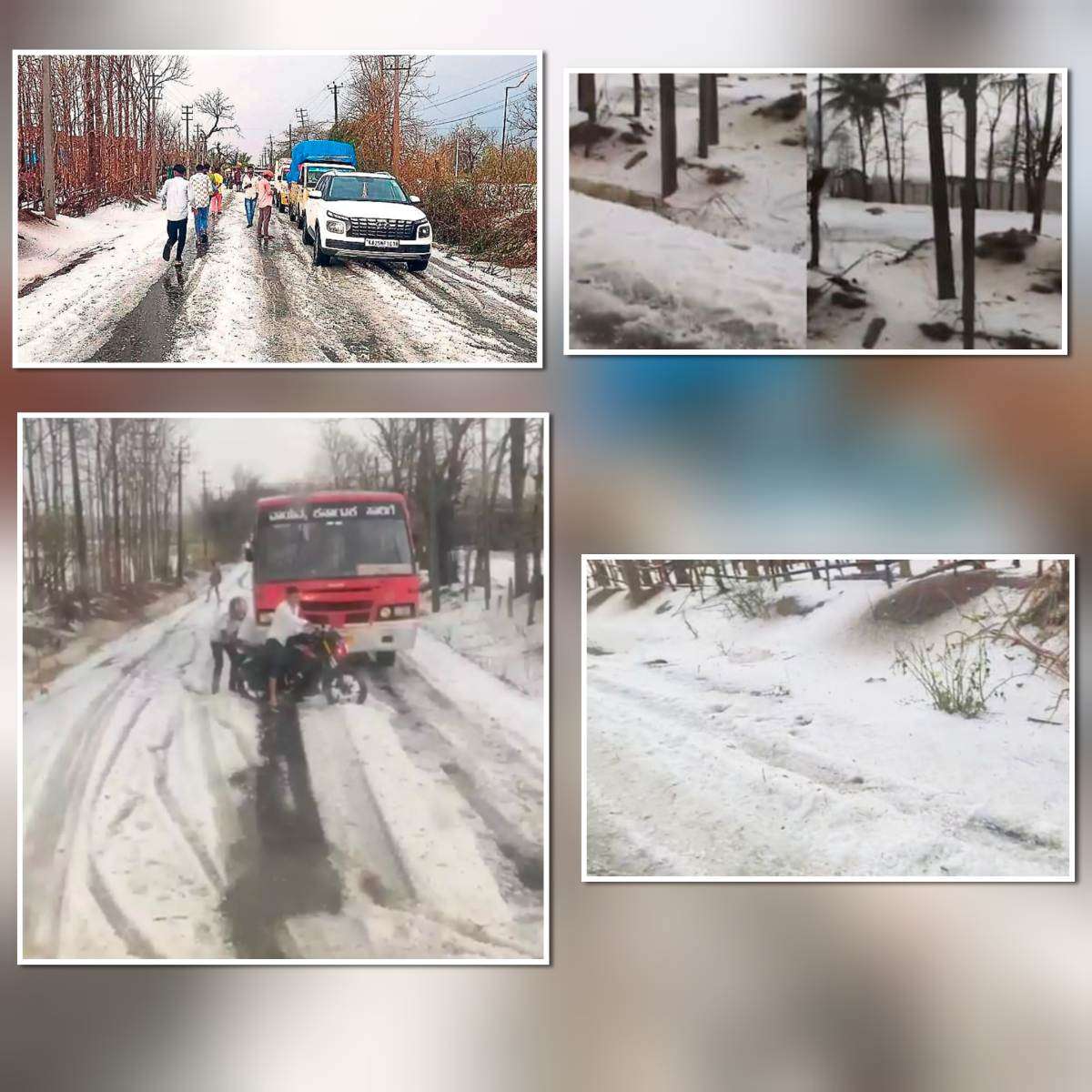
Image Source: Ground-level hailstorm impact visuals compiled from publicly available footage and regional news reports for educational purposes
Karnataka has recently witnessed multiple incidents of hailstorms and sudden heavy rainfall across districts such as Bengaluru, Dharwad, Belagavi, and North Interior regions.
These events have triggered widespread discussion, with many viral claims suggesting artificial weather manipulation. This article provides a complete, fact-checked explanation based on official data from the India Meteorological Department and recent verified reports.
What is a Hailstorm
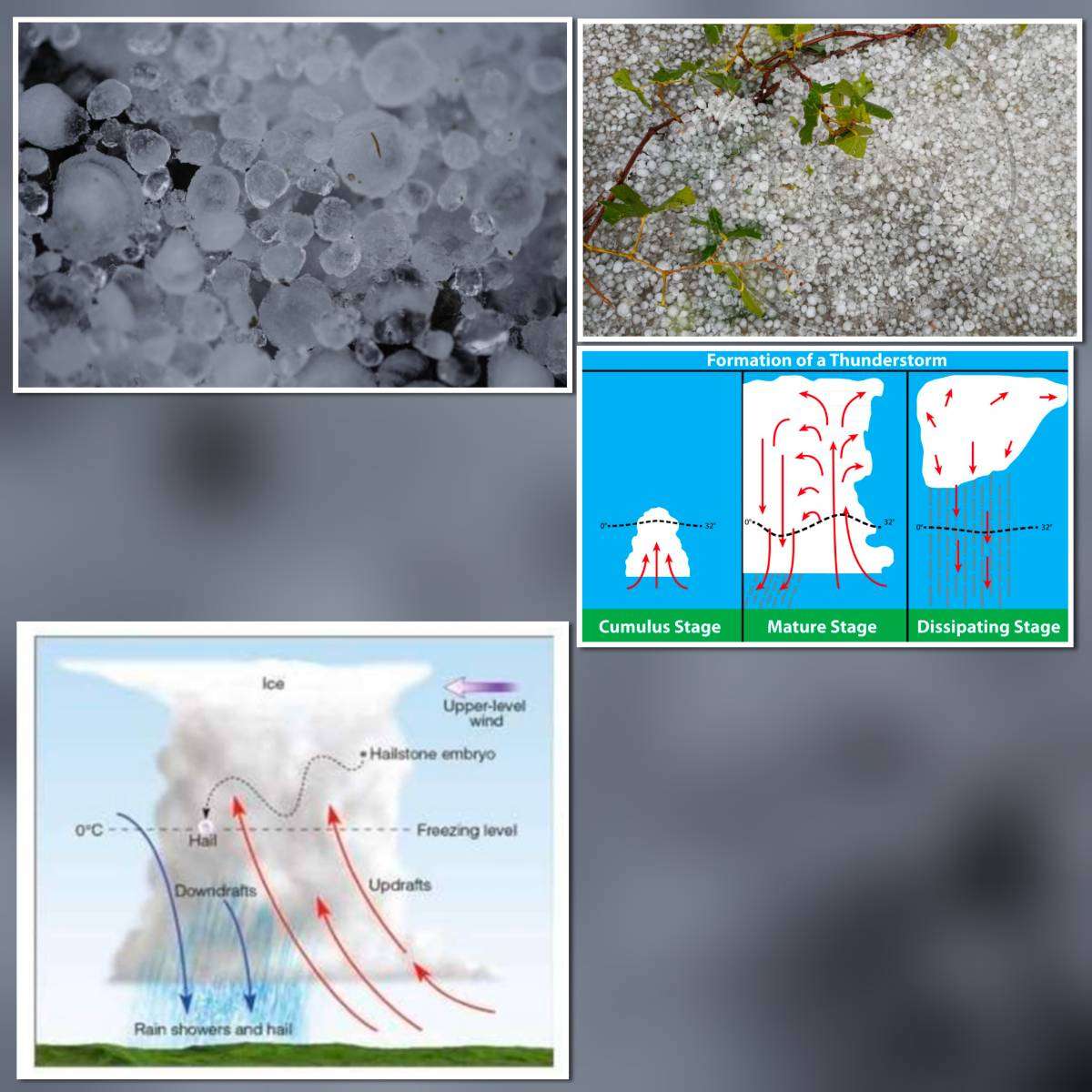
A hailstorm is a weather phenomenon where solid ice particles, known as hailstones, fall from the sky instead of liquid rain. These occur during intense thunderstorms and are typically associated with cumulonimbus cloud systems.
Hailstones form when strong upward air currents carry water droplets into extremely cold regions of the atmosphere, where they freeze and accumulate layers of ice before falling to the ground.
READ THIS: Smartphone Reels Addiction: How Short Videos Affect Your Brain and Mental Health
Latest Hailstorm Activity in Karnataka (2026)
Recent weather activity across Karnataka confirms increased thunderstorm and
Hail Occurrences: Hailstorms reported in Bengaluru and surrounding areas Severe hail activity in Dharwad district including Machapur Short-duration but intense hail events in North Karnataka regions such as Kalaburagi Rainfall accompanied by gusty winds and lightning
According to India Meteorological Department, these conditions are consistent with seasonal weather patterns observed during March.
IMD Official Explanation for Hailstorms
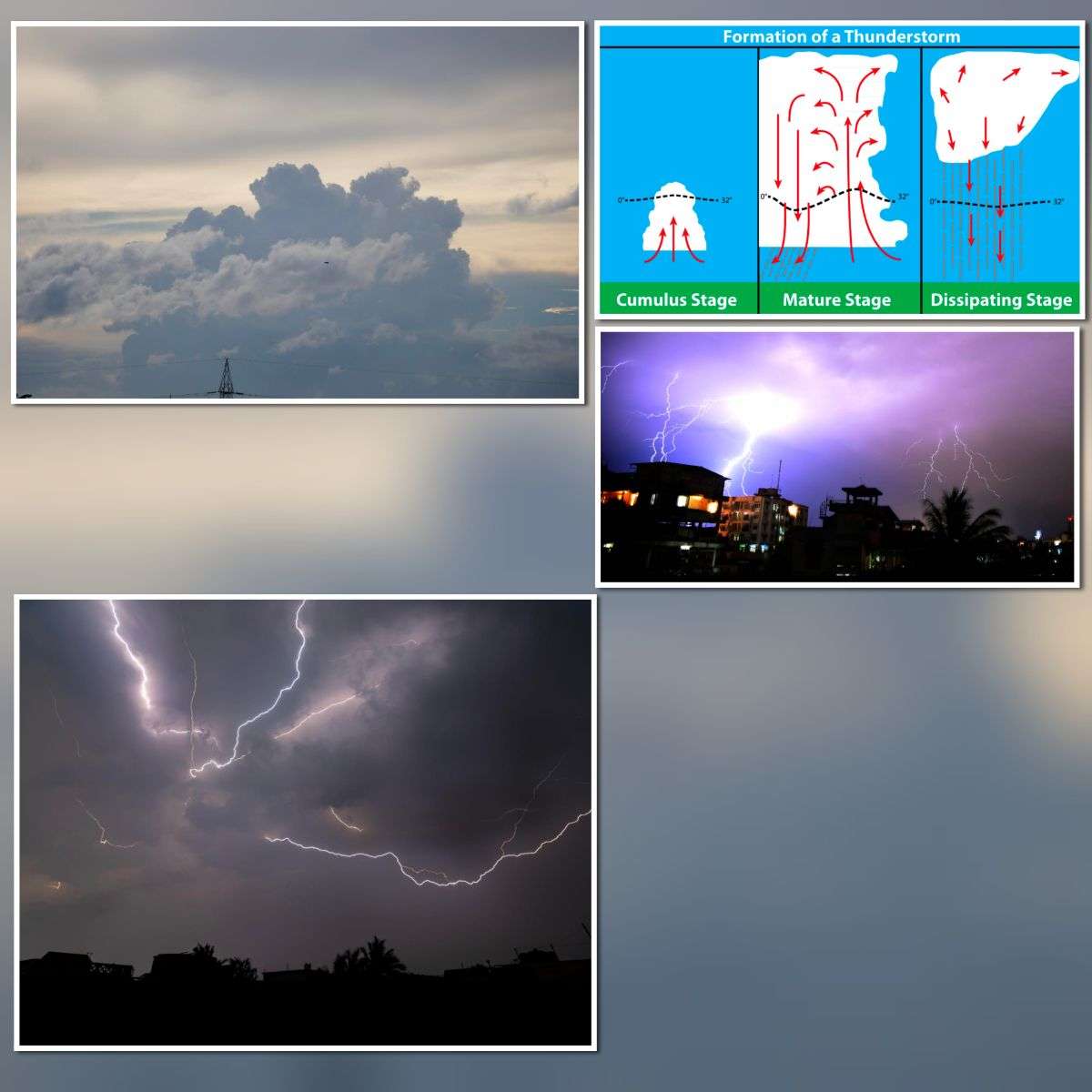
1. Pre-Monsoon Season (March to May)
Karnataka is currently in the pre-monsoon or hot weather season. During this period, the region experiences:
- High daytime temperatures
- Increased atmospheric instability
- Frequent thunderstorms
The IMD clearly states that thunderstorms, lightning, and hail are common during this phase.
2. Strong Updrafts and Cloud Formation
Intense surface heating causes warm air to rise rapidly. This creates powerful updrafts inside cumulonimbus clouds, which are responsible for severe weather events.
These updrafts carry water droplets to high altitudes where temperatures are below freezing.
3. Ice Formation and Growth
Inside the cloud: Water droplets freeze into ice particles Repeated upward and downward movement adds multiple ice layers Hailstones grow in size until they become too heavy Once the updraft weakens, hailstones fall to the ground.
4. Heat and Moisture Interaction
Karnataka’s weather is influenced by High surface temperatures Moisture inflow from the Arabian Sea This combination creates unstable atmospheric conditions ideal for thunderstorm development.
Districts Frequently Affected
Recent hailstorm activity has been observed in:
- Belagavi
- Bagalkote
- Dharwad
- Haveri
- Chikkamagaluru
- Kodagu
- Kalaburagi
These regions, especially North Interior Karnataka, are more prone to convective weather due to temperature variations and land conditions.
Why Hailstorms Are More Common in Summer
Scientific observations indicate that hailstorms are more frequent during pre-monsoon months due to Lower freezing levels in the atmosphere Strong vertical air movement Rapid temperature differences between surface and upper layers
During the monsoon, hailstones usually melt before reaching the ground, resulting in normal rainfall instead.
Climate Trend and Increasing Extreme Events
Recent data suggests a rise in extreme weather incidents across Karnataka Increased frequency of thunderstorms Sudden heavy rainfall events Localized hailstorms and lightning
These changes are linked to broader climate variability and rising temperatures, which enhance atmospheric instability.
Fact Check: Artificial Rain and Viral Claims
Several viral posts have falsely linked hailstorms in Karnataka to artificial weather control or foreign experiments. Based on official data from India Meteorological Department:
There is no evidence of artificial rain operations No chemical spraying has been reported No external experimental activity is influencing Karnataka weather Hailstorms are entirely natural and scientifically understood phenomena.
Conclusion:
Hailstorms in Karnataka during 2026 are a direct result of natural atmospheric processes associated with the pre-monsoon season. Strong updrafts, cumulonimbus cloud formation, and heat-moisture interaction are the key drivers behind these events.
There is no scientific or official evidence supporting claims of artificial weather manipulation. The current weather pattern aligns fully with IMD observations and seasonal climate behavior.
About The Author