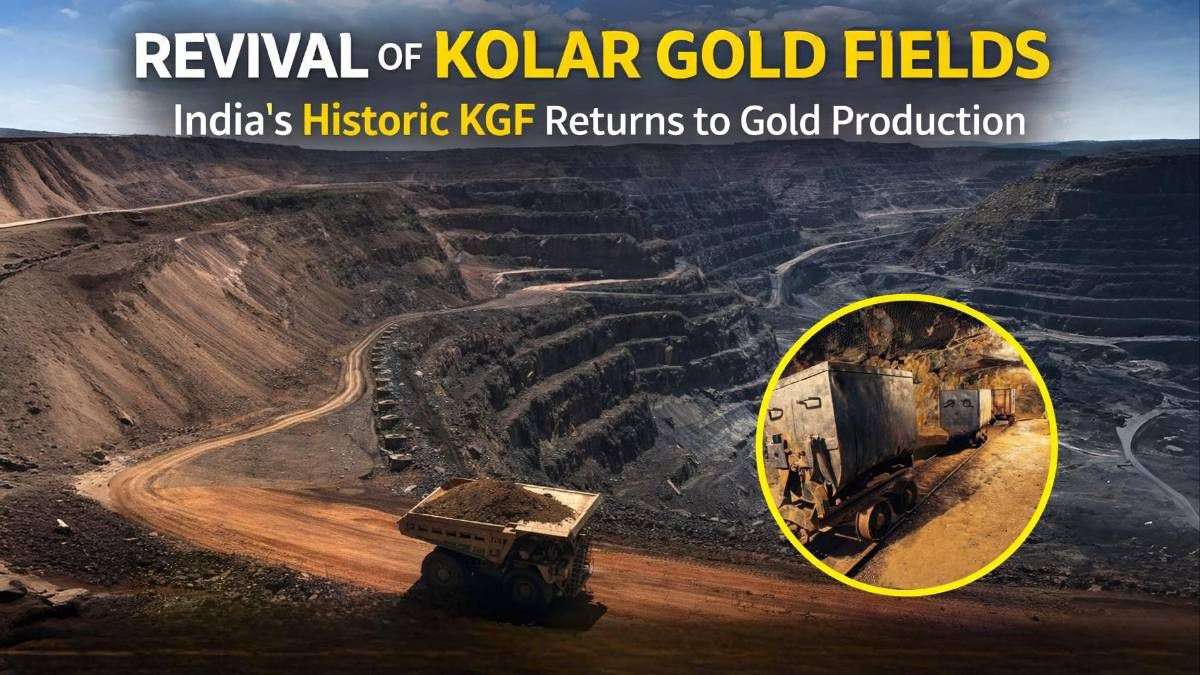
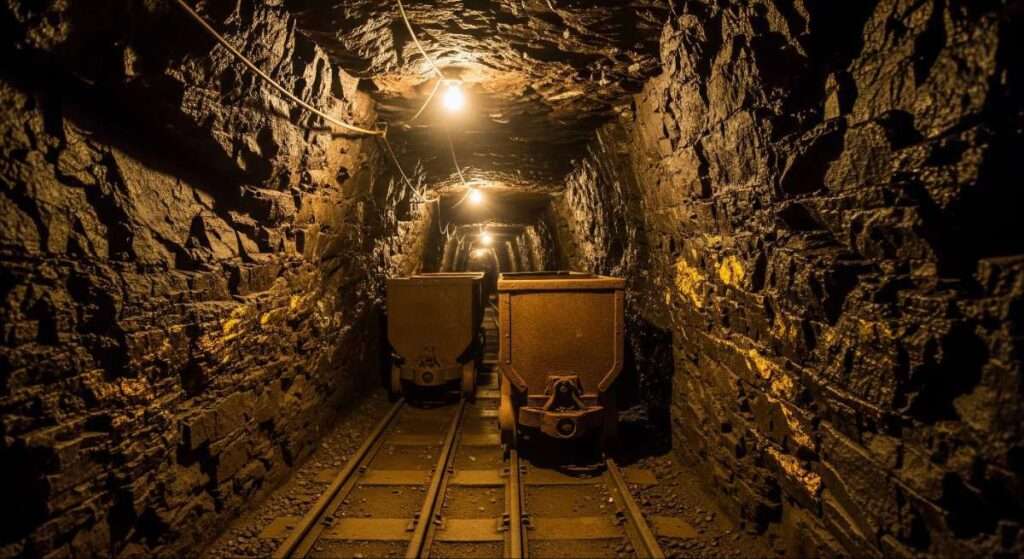
For more than a century, the Kolar Gold Fields (KGF) stood as a symbol of India’s mineral wealth and industrial ambition. From the late 19th century until the end of the 20th century, the mines produced hundreds of tonnes of gold and supported entire townships in Karnataka.
However, rising operational costs, extreme mining depths, and declining profitability led to the closure of the mines in 2001, ending an era that had shaped India’s mining history.
Now, after nearly 80 years since large-scale extraction peaked, KGF is once again drawing national attention not through a return to dangerous underground mining, but through a modern, carefully planned recovery strategy.
A Revival Based on Technology, Not Old-Style Mining
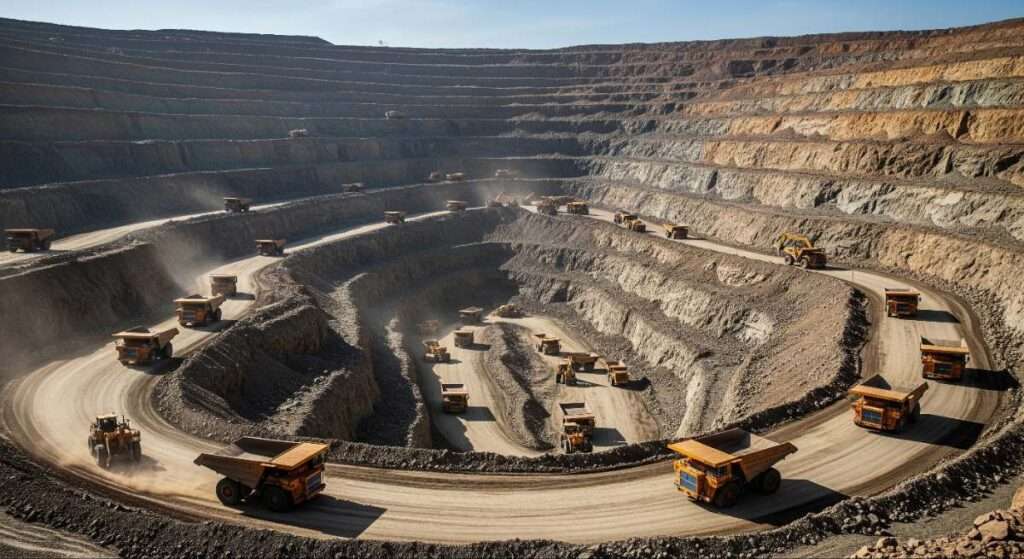
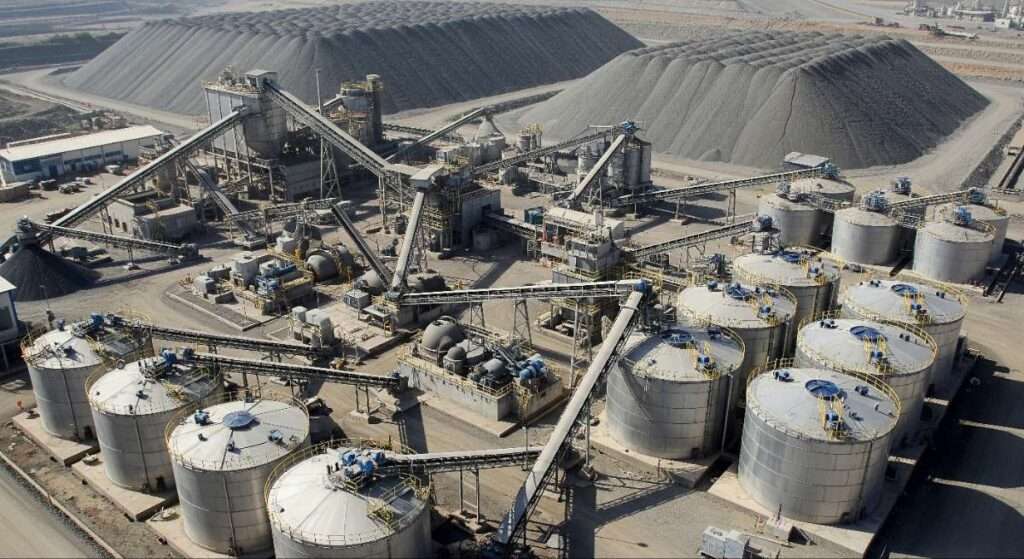
Contrary to popular social media claims, the historic underground shafts of KGF are not being reopened. Instead, the revival plan focuses on the processing of gold-bearing tailings waste material left behind after decades of earlier mining.
When KGF was operational, older extraction techniques could not recover all the gold present in the ore. As a result, significant quantities of gold remain locked within these tailings.
With advancements in mineral processing technology, it has now become economically viable to extract residual gold using surface-level methods such as modern leaching and recovery systems. This approach avoids the risks and costs associated with deep underground mining while making productive use of existing resources.
Read This Article Also: India Germany Submarine Deal Is Project-75(I) Set to Become India’s Biggest Defence Agreement?
Expected Gold Output and Its Real Impact
Government assessments and project projections suggest that tailings processing at KGF could yield approximately 750 kilograms of gold per year once full-scale operations begin. While this figure is modest when compared to India’s total annual gold imports, it still represents a meaningful step toward increasing domestic production.
Experts caution against overstating the impact. India imports several hundred tonnes of gold every year, and the KGF revival alone will not drastically reduce import dependence. However, it will contribute to local supply, reduce pressure on foreign exchange, and demonstrate how legacy mining sites can be repurposed using sustainable practices.
Economic Benefits for the Local Region
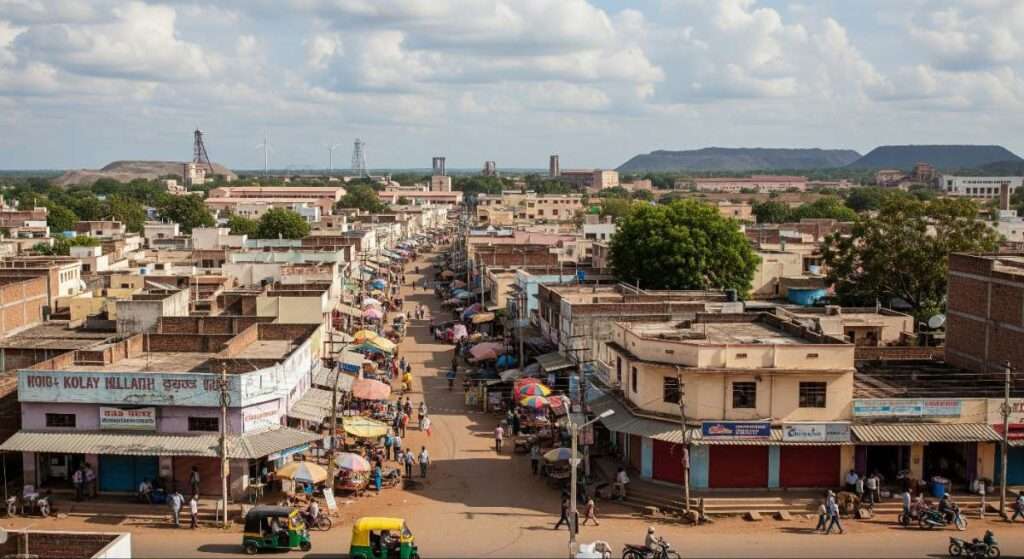
Beyond gold output, the revival is expected to bring broader economic benefits to the Kolar region. The project has the potential to generate employment, stimulate supporting industries, and revive economic activity in an area that has faced decades of decline since the mines shut down.
Equally important is the environmental dimension. By reprocessing tailings, the project may help stabilise old waste dumps and reduce long-term environmental risks associated with abandoned mining residues.
A Symbolic Return, Grounded in Reality
The renewed activity at KGF is not a return to the past, but a transition into a more responsible future for mining in India. It reflects a shift from extraction-heavy operations to technology-driven resource recovery that balances economic value with safety and sustainability.
While KGF may never again produce gold on the scale it once did, its revival carries symbolic weight. It signals that India is learning to unlock value from its existing assets through innovation rather than exploitation ensuring that history, technology, and economic prudence move forward together.
Read This Article Also: Is There a 2000-Year-Old Ashoka Stambha in China? Truth Behind the Viral Claim
Conclusion: The revival of the Kolar Gold Fields marks a significant moment in India’s mining narrative, not as a return to intensive underground extraction, but as a measured step toward modern, technology-driven resource recovery.
By focusing on gold-bearing tailings rather than reopening deep shafts, the initiative reflects a shift toward safer, economically viable, and environmentally conscious mining practices.
While the projected gold output will not dramatically alter India’s overall import dependence, it strengthens domestic production and brings renewed economic activity to a historically important region.
More importantly, the KGF project demonstrates how legacy mining assets can be responsibly repurposed, balancing heritage, innovation, and sustainability. In this sense, KGF’s renewed shine lies not only in the gold it may produce, but in the example it sets for the future of mining in India.
About The Author