New Parliament Attendance Rule 2026: Government Introduces Seat-Based Digital Marking System for MPs

New Parliament Attendance Rule 2026: What the Government Has Officially Announced The Government of India has introduced a new attendance system in Parliament aimed at strengthening discipline and ensuring active participation of Members of Parliament during proceedings.
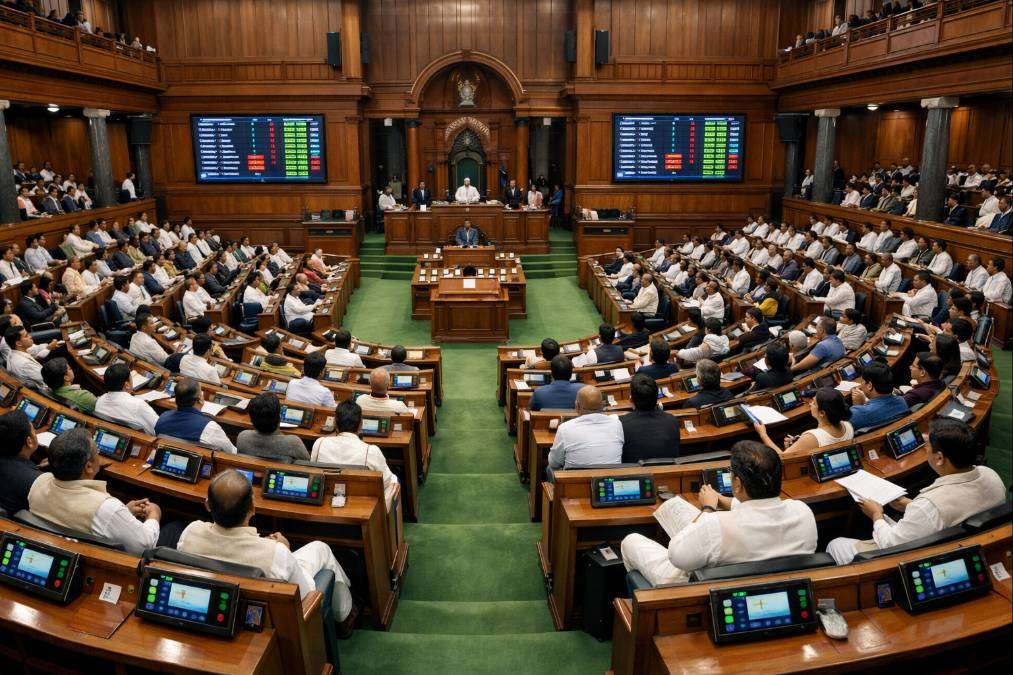
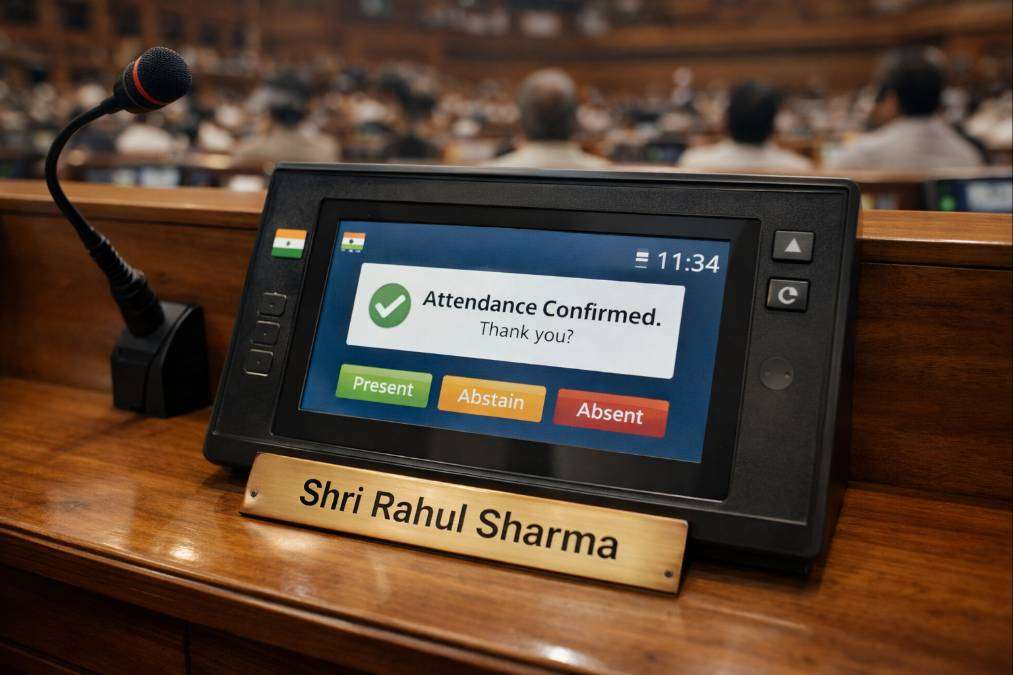
Under the updated rule, Members of Parliament in the Lok Sabha must mark their attendance digitally from their designated seats inside the House.
The attendance console will function only when the House is officially in session. This means that attendance cannot be recorded from outside the chamber, such as in the lobby or other areas of the Parliament building.
Why the Government Introduced This Rule
The purpose of the new system is to ensure that members are physically present in the House while proceedings are underway. The government has clarified that the objective is to promote accountability and maintain decorum during parliamentary sessions.
Earlier, members could mark attendance without necessarily being seated inside the House at the time of active proceedings. The revised system removes that flexibility and connects attendance directly to participation inside the chamber.
READ THIS: CBSE 2026 New Exam Rule
How the New Attendance System Works
The digital attendance system is integrated with the seating arrangement of Members of Parliament. Each MP must be present at their allotted seat and record their attendance through the digital console provided.
The system operates only during active sittings of the House. If the House is adjourned, the attendance mechanism remains inactive. Therefore, attendance is officially counted only when proceedings are taking place.
Impact on Allowances
As per existing parliamentary provisions, Members of Parliament receive daily allowances based on their attendance. Since attendance must now be recorded from within the House during active proceedings, failure to mark attendance in the prescribed manner may affect eligibility for daily allowances as per government norms.
The government has presented this move as an administrative reform aimed at strengthening parliamentary functioning rather than as a punitive measure.
A Step Toward Digital Governance
The introduction of seat-based digital attendance reflects the broader push toward modernisation and digital governance within public institutions. By linking attendance to real-time presence inside the House, the government aims to improve transparency and institutional efficiency.
Conclusion:
The new Parliament attendance rule is an administrative reform focused on discipline, accountability, and structured participation. Members of Parliament must now mark attendance digitally from their designated seats while the House is in session.
The rule reinforces the importance of active presence during parliamentary proceedings and aligns with the government’s emphasis on digital systems and institutional reform.
About The Author