Nitish Rajput ₹2.5 Crore Defamation Case: What Is the Truth Behind the SSC Controversy?
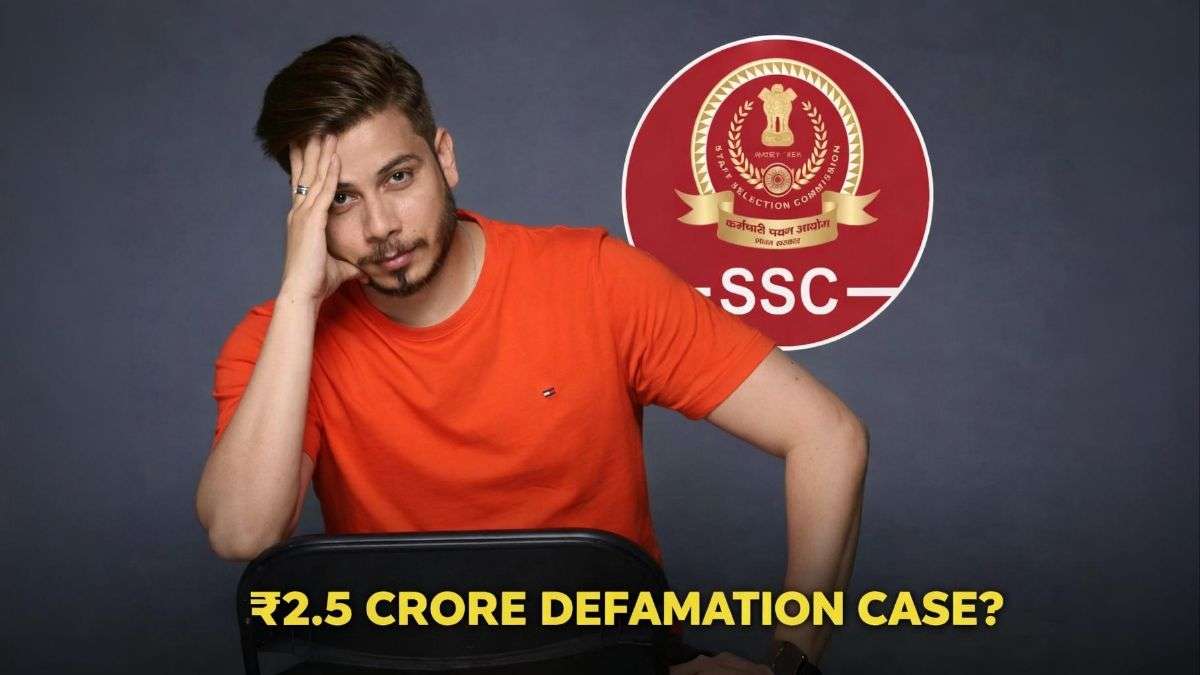
In recent days, social media platforms have been flooded with claims that YouTuber Nitish Rajput is facing a ₹2.5 crore defamation lawsuit for questioning the examination process of the Staff Selection Commission (SSC). The news has sparked debate among competitive exam aspirants and followers of current affairs content.
But what is the real story? Is there an official case? Or is this another example of viral information spreading without full verification? Let us examine the situation carefully.
What Triggered the Controversy?
Nitish Rajput is known for publishing analytical videos on political and social issues. In one of his discussions, he reportedly raised questions about the transparency and functioning of the SSC examination process.
SSC conducts major recruitment exams such as:
- SSC CGL
- SSC CHSL
- SSC MTS
- SSC GD
- SSC JE
Since lakhs of candidates appear for these exams every year, any criticism or allegation regarding the process quickly gains public attention. After his commentary, several social media posts claimed that a ₹2.5 crore defamation case had been filed against him.
READ THIS: Government Mandates 3-Hour Removal of AI & Deepfake Content in India – Full Details
Is There Official Confirmation?
As of now, there has been no widely reported official press release from SSC confirming a ₹2.5 crore defamation suit. In legal matters of this scale, the following usually happens:
- A formal civil defamation case is filed in court.
- A legal notice is issued and may become public.
- Established national media outlets report the development.
- The concerned party releases a public clarification.
Without verified court documents or an official statement, viral claims should be treated with caution.
Understanding Defamation in India
Under Indian law, defamation can be:
- Civil defamation – seeking monetary compensation.
- Criminal defamation – punishable under Sections 499 and 500 of the Indian Penal Code (now replaced under the Bharatiya Nyaya Sanhita framework).
For a successful defamation claim, it must generally be proven that:
- A false statement was made.
- The statement harmed reputation.
- There was intent or negligence involved.
Questioning a public examination process does not automatically amount to defamation unless it includes unverified accusations presented as facts.
Why Viral News Spreads Quickly
Government exams are highly sensitive topics in India. Aspirants invest years of preparation. Any controversy involving recruitment bodies immediately draws emotional reactions.
In the age of social media:
- Headlines are shared without context.
- Claims are amplified before verification.
- Screenshots circulate without legal documents attached.
This makes fact-checking extremely important.
What Should SSC Aspirants Do?
If you are preparing for SSC exams:
- Rely only on updates from the official SSC website.
- Avoid panic based on viral posts.
- Wait for credible news sources or official clarification.
- Focus on preparation rather than speculation.
Exam processes and legal matters are separate issues. A controversy does not automatically affect recruitment unless officially announced.
Conclusion:
At this stage, the ₹2.5 crore defamation lawsuit claim requires verified documentation to be considered confirmed. Until official records or court filings are publicly available, it remains a developing story rather than a fully established legal fact.
Responsible reporting demands patience, verification, and balanced analysis.
About The Author