Psychology is the scientific study of the human mind and behavior, but beyond textbooks and theories, it also offers fascinating insights into our everyday thoughts, emotions, and actions. Many psychological facts explain why we behave in certain ways without even realizing it. From emotions and memory to habits and decision-making, psychology helps us understand ourselves better.
In this article, let us explore some truly interesting psychology facts that reveal the hidden workings of the human mind in a simple and relatable way.
1. Your Brain Believes What You Repeatedly Tell It
The human brain is highly influenced by repetition. When you repeatedly think negative thoughts like “I am not good enough,” your brain slowly starts accepting it as truth. Similarly, positive self-talk can reshape your mindset and boost confidence. This is why affirmations and motivational habits actually work over time. Your brain does not easily distinguish between repeated thoughts and real experiences.

2. Overthinking Is a Sign of High Intelligence (But Also Stress)
People who overthink are often more intelligent and emotionally aware. Their minds constantly analyze situations, outcomes, and possibilities. However, this habit can also lead to anxiety and mental exhaustion. Psychology shows that intelligent people tend to worry more because they see multiple outcomes rather than just one simple result.

Read This Article Also : Negative Effects of Excessive Porn: Mental, Social & Physical Impact
3. Music Strongly Influences Emotions and Memory
Have you ever noticed how one song can instantly bring back old memories? Psychology explains that music activates emotional centers of the brain linked to memory. That is why songs from childhood or teenage years feel deeply emotional. Music can also change mood, reduce stress, and improve focus, which is why many people use it while studying or working.

4. Your Brain Gets Tired Before Your Body
Psychological studies show that physical exhaustion often begins in the mind, not the body. When your brain believes you are tired, your body follows. This is why motivation and mental strength play a huge role in endurance activities like sports, workouts, and even long working hours.

5. Silence Can Make People Uncomfortable
Most people feel uneasy during silence, especially in conversations. Psychology reveals that silence forces the brain to become self-aware, which can feel uncomfortable. That is why people often talk unnecessarily just to avoid silence. Interestingly, confident individuals are more comfortable with silence because they are secure in themselves.

6. Multitasking Reduces Productivity
Many people believe multitasking makes them more productive, but psychology proves the opposite. The brain cannot fully focus on multiple complex tasks at once. Instead, it keeps switching attention, which reduces efficiency and increases mental fatigue. Doing one task at a time improves concentration and quality of work.

7. Facial Expressions Affect Emotions
Your facial expressions do not just show emotions they also create them. Smiling, even when forced, can actually make you feel happier. This happens because facial movements send signals to the brain, influencing emotional response. Psychology supports the idea that “acting happy” can slowly make you feel happy.

8. People Judge You Within Seconds
Psychological research suggests that people form first impressions within 7 seconds of meeting someone. Body language, tone of voice, posture, and facial expression matter more than words. This is why confidence, eye contact, and a calm attitude create a strong first impression.

9. Dreams Reflect Hidden Emotions
Dreams are not random stories. Psychology explains that dreams are often connected to suppressed emotions, fears, or desires. When the conscious mind rests, the subconscious mind becomes active. That is why stress, anxiety, or excitement often appear symbolically in dreams.

10. Loneliness Affects the Brain Like Physical Pain
Loneliness is not just emotional it is psychological and physical. Studies show that social rejection activates the same brain areas as physical pain. This is why human connection is essential for mental health. Even short conversations or social interactions can significantly improve mood.

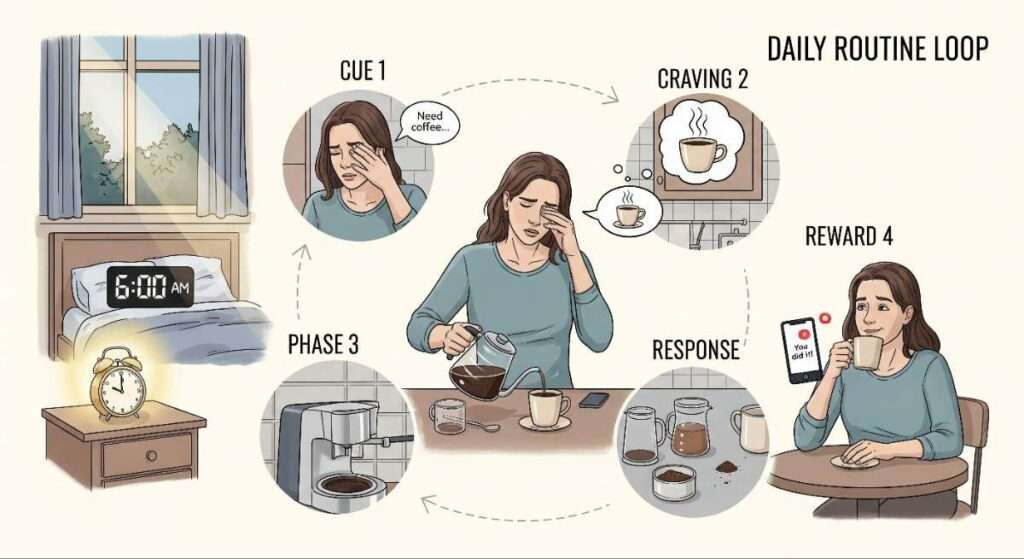
11. Habits Are Formed Through Consistency, Not Motivation
Motivation is temporary, but habits are built through repetition. Psychology suggests that it takes around 21 to 66 days to form a habit, depending on the person and activity. Once a habit is formed, the brain performs the action automatically with less effort.
12. Your Mind Believes Visual Imagination
The brain reacts similarly to real experiences and imagined ones. This is why visualization techniques are powerful. Athletes, speakers, and performers often visualize success before actual performance. Psychology proves that imagination can prepare the brain for real-life action.

Read This Article Also: Real Sigma Meaning: Authentic Masculinity vs Social Media Toxicity
Conclusion : Psychology helps us understand why humans think, feel, and behave the way they do. These interesting psychology facts show that our mind is powerful, flexible, and deeply influenced by thoughts, habits, and emotions. By understanding psychological principles, we can improve mental health, build better habits, communicate effectively, and live more consciously.
The more we understand our mind, the more control we gain over our life. Psychology is not just a subject it is a guide to understanding ourselves better every day.
Image Copyrights:
© 2025 [RAAD World]. All rights reserved. All images used in this article are either created by us,licensed for use, or generated through authorized design tools. Unauthorized copying, publishing, or redistribution of any image is strictly prohibited.
About The Author


 Rahul Bidnal