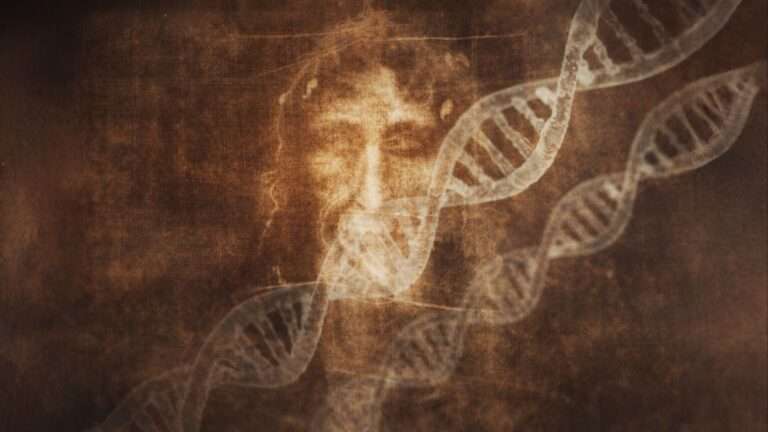
Shroud of Turin DNA Study 2026: Does Indian DNA Prove Jesus Christ Origins?
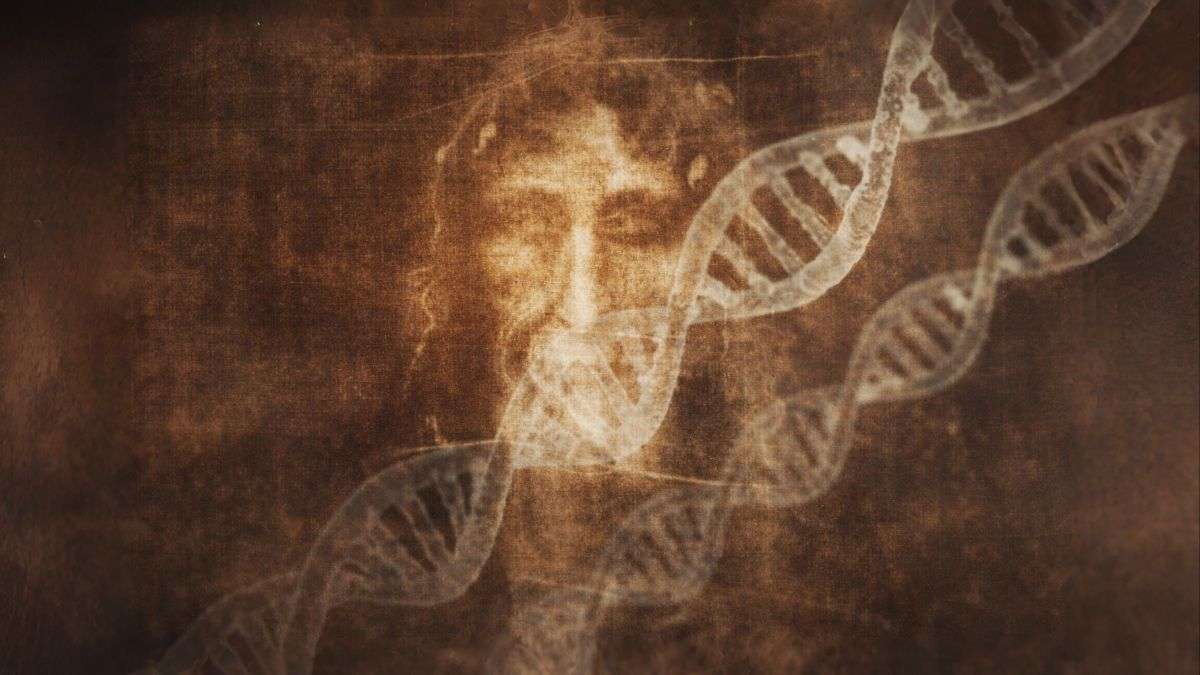
The Shroud of Turin, one of the world’s most debated religious artifacts, has once again entered global discussion after a 2026 DNA study claimed that nearly 40% of the human genetic traces found on the cloth may be linked to India. The claim quickly went viral, leading to speculation about a possible connection between Jesus Christ and India.
However, a closer scientific examination reveals a far more complex and nuanced reality.
What Is the Shroud of Turin?
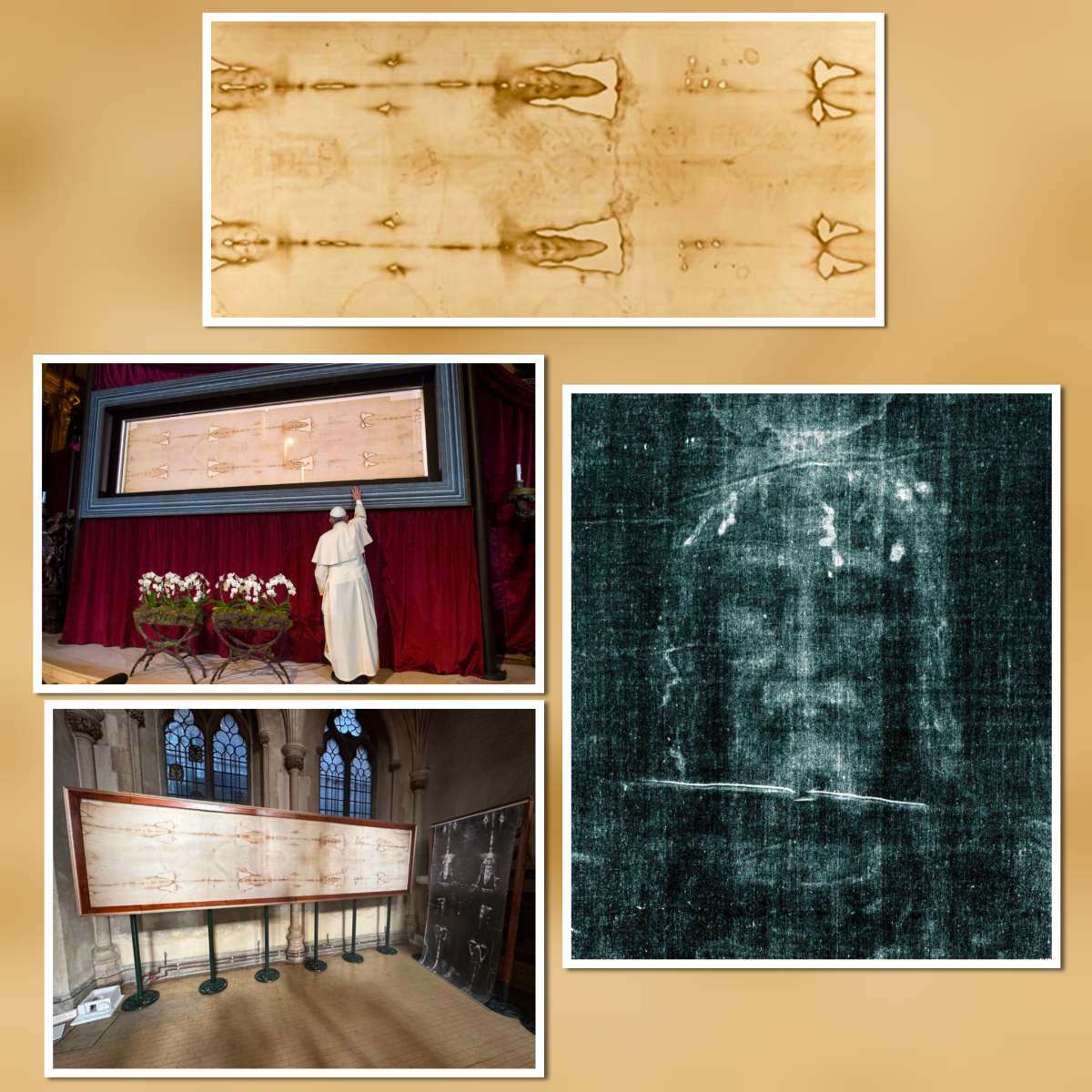
The Shroud of Turin is a linen cloth preserved in Turin, Italy, believed by many Christians to be the burial cloth of Jesus Christ. It bears the faint image of a man with wounds consistent with crucifixion.
Despite its religious significance, the artifact has remained under intense scientific scrutiny for decades.
READ THIS: Kolar Gold Fields Revival How India’s Historic KGF Is Producing Gold Again
2026 DNA Study: What Was Found?
Recent DNA analysis using environmental DNA (eDNA) techniques revealed Genetic traces from multiple regions, including
- South Asia (India)
- Middle East
- Europe
- North Africa
Approximately 40% of detectable DNA markers showed similarities with Indian populations Presence of plant DNA and microbial material from various climates These findings led some interpretations suggesting a possible Indian connection.
Scientific Reality: Understanding DNA Contamination
Why the DNA Does Not Belong to Jesus
The most important scientific clarification is that The DNA found on the Shroud is not attributable to a single individual It represents a mixture accumulated over centuries
Sources of contamination include:
Pilgrims and visitors who touched or viewed the cloth Clergy and handlers throughout history Environmental exposure such as dust, pollen, and air particles Modern scientific consensus clearly states that isolating the original DNA from the time of Jesus is currently impossible.
Historical Movement and Global Contact
The presence of Indian DNA can be explained through well-documented historical interactions:
1. Ancient Trade Networks
India was a major center for textile production and trade. Fabrics and fibers moved across continents through routes connecting Asia, the Middle East, and Europe.
2. Pilgrimage and Religious Exposure
The Shroud has been publicly displayed multiple times over centuries, attracting visitors from around the world, including India.
3. Environmental DNA Accumulation
Environmental DNA naturally accumulates on surfaces over time, especially on porous materials like linen.

READ THIS: India Most Expensive Painting Sold for ₹167 Crore Raja Ravi Varma Yashoda Krishna Auction Full Details
Radiocarbon Dating: A Critical Piece of Evidence
One of the most significant scientific tests conducted on the Shroud is radiocarbon dating. Conducted in 1988 by multiple laboratories Results dated the cloth to between 1260 and 1390 AD This places the origin of the Shroud in the medieval period, rather than the time of Jesus Christ.
While some researchers have challenged these findings, the majority of the scientific community continues to support this conclusion.
Expert Perspective and Scientific Consensus
Scientists emphasize the following DNA analysis reflects contact history, not origin The Shroud is heavily contaminated, making original DNA identification unreliable Current evidence does not support claims linking Jesus Christ to India
Additionally, the 2026 study has not yet undergone full peer review, meaning its conclusions should be interpreted cautiously.
Final Verdict: Fact vs Viral Claim
| Claim | Scientific Verdict |
|---|---|
| 40% Indian DNA found | Partially true (from mixed sources) |
| DNA belongs to Jesus | False |
| Jesus had Indian origin | No evidence |
| Shroud proves India connection | Not proven |
| Cloth may have global exposure | Highly likely |
Conclusion
The Shroud of Turin continues to be a fascinating intersection of faith, history, and science. While modern DNA studies reveal a diverse range of genetic traces, these findings do not provide evidence about Jesus Christ’s origins.
Instead, they highlight the long and complex journey of the artifact through centuries of human interaction and environmental exposure.
In conclusion, the claim that “40% Indian DNA proves Jesus had Indian origins” is misleading and unsupported by scientific evidence.
For RAAD WORLD Readers
As viral content continues to blur the line between fact and speculation, it becomes essential to rely on verified research and scientific consensus. The Shroud of Turin remains a subject of study, but current evidence does not rewrite established historical understanding.
About The Author