Smartphone Reels Addiction: How Short Videos Affect Your Brain and Mental Health
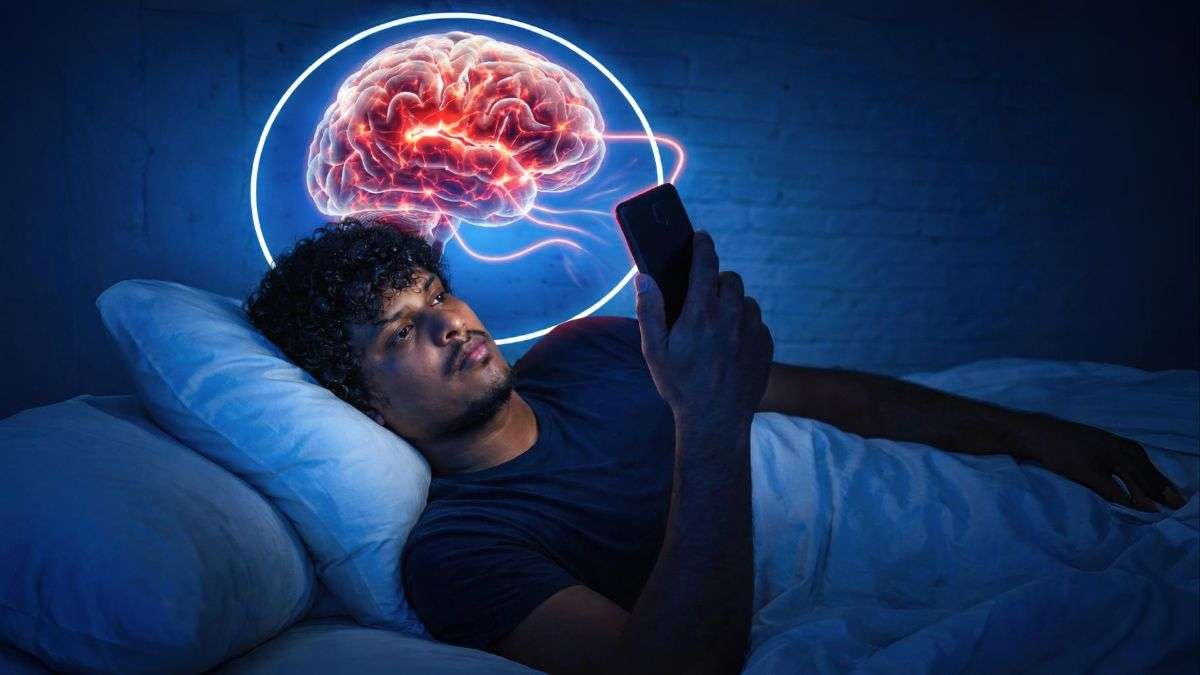
In recent years, short-form video platforms such as Instagram Reels, YouTube Shorts, and other social media feeds have become extremely popular worldwide. Millions of people spend hours every day scrolling through short videos for entertainment and information.
However, experts warn that excessive consumption of short-form content may lead to digital addiction, reduced attention span, and negative mental health effects. Several research studies indicate that constant scrolling can stimulate the brain’s reward system, encouraging compulsive usage patterns.
What Is Smartphone or Reels Addiction?
Smartphone addiction refers to a behavioral dependency where individuals feel an uncontrollable urge to continuously check or use their phones.
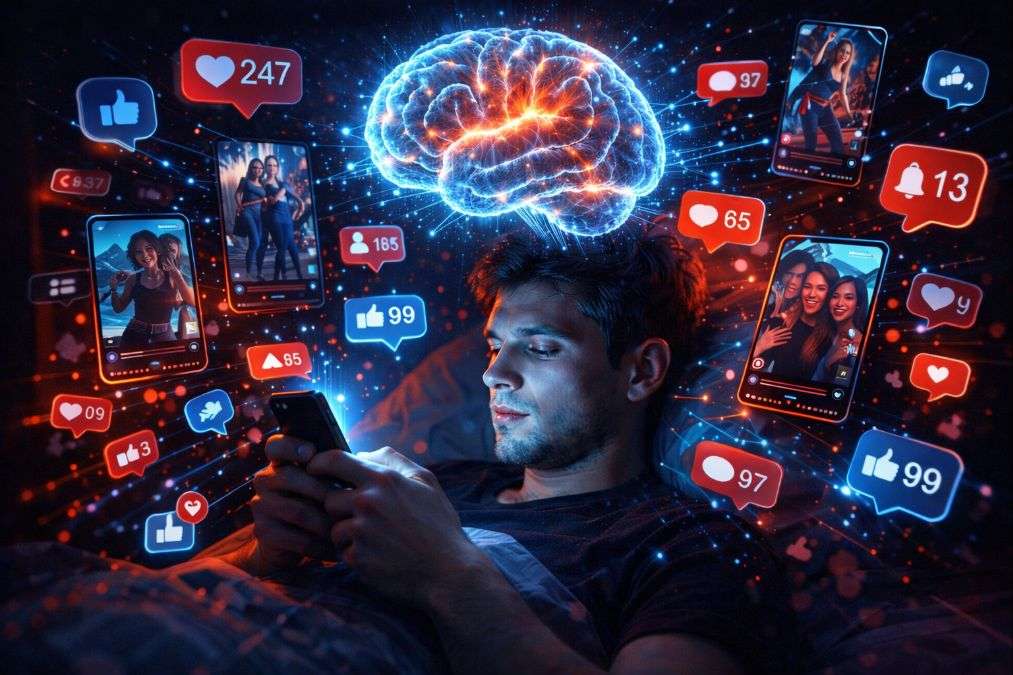
Short-video platforms are designed with infinite scrolling algorithms, which constantly provide new content to keep users engaged. This continuous stimulation activates dopamine, a neurotransmitter associated with pleasure and reward.
Over time, the brain may begin to crave these quick rewards, making it difficult for users to stop watching videos.

How Short-Form Videos Affect the Brain
1. Dopamine Reward Cycle
Short videos trigger the brain’s dopamine reward system, similar to other addictive behaviors. Every entertaining video provides a small reward signal, encouraging users to keep scrolling for the next video.
2. Reduced Attention Span
Because most reels and shorts last 15–60 seconds, the brain becomes accustomed to very short bursts of information. This can reduce the ability to concentrate on longer tasks such as studying, reading, or work.
3. Sleep Disturbances
Using smartphones late at night exposes the eyes to blue light, which suppresses the production of melatonin, the hormone responsible for regulating sleep cycles. As a result, many heavy smartphone users experience insomnia or poor sleep quality.
4. Increased Anxiety and Stress
Research suggests that prolonged social media usage may contribute to:
- Anxiety
- Stress
- Depression
- Social comparison issues
Constant exposure to curated online lifestyles may also impact self-esteem, especially among young users.
What Do Scientific Studies Say?
Several organizations and research institutions have studied the effects of social media and smartphone overuse.
Studies from Harvard Medical School highlight how social media platforms stimulate dopamine-driven reward loops.
The American Psychological Association (APA) reports links between heavy social media use and mental health challenges among teenagers and young adults.
The World Health Organization (WHO) has recognized behavioral addictions related to digital and gaming activities.
Although some viral posts claim that watching reels is “five times more harmful than smoking or drinking,” there is currently no verified scientific evidence supporting this exact comparison. However, experts agree that excessive screen time can negatively impact brain health and productivity.
Signs of Smartphone Addiction
You may be experiencing digital addiction if you:
- Spend several hours daily watching reels or short videos
- Feel restless or anxious without your phone
- Check notifications constantly
- Use your phone late at night despite sleep problems
- Ignore work, studies, or family interactions due to scrolling
How to Reduce Reels and Smartphone Addiction
Set Screen Time Limits
Use built-in tools like Digital Wellbeing or Screen Time to monitor and limit daily usage.
Avoid Late-Night Scrolling
Try to avoid smartphones at least one hour before bedtime to improve sleep quality.
Disable Non-Essential Notifications
Reducing notifications can significantly decrease the urge to check your phone frequently.
Replace Scrolling with Healthy Habits
Activities like reading, exercising, meditation, or outdoor walks can help reduce dependence on digital content.
Conclusion:
Short-form video platforms have transformed online entertainment and information sharing. While these platforms provide quick and engaging content, excessive consumption can lead to digital addiction, reduced focus, and mental health challenges.
Maintaining a balanced approach to smartphone usage is essential to protect brain health, productivity, and overall well-being in the digital age.
About The Author