WhatsApp New SIM Binding Rule 2026 in India: Will WhatsApp Logout Without SIM? Full Explanation

Messaging apps like WhatsApp have become one of the most important communication platforms in India. Millions of people use the app daily for personal chats, business communication, and digital services.
Recently, discussions about a new SIM binding rule for messaging apps in India starting from 2026 have started circulating online. Many users are asking an important question
Will WhatsApp logout if the SIM card is removed from the phone? Here is the detailed explanation about the proposed rule, why it is being discussed, and what it could mean for WhatsApp users.
What is the SIM Binding Rule?
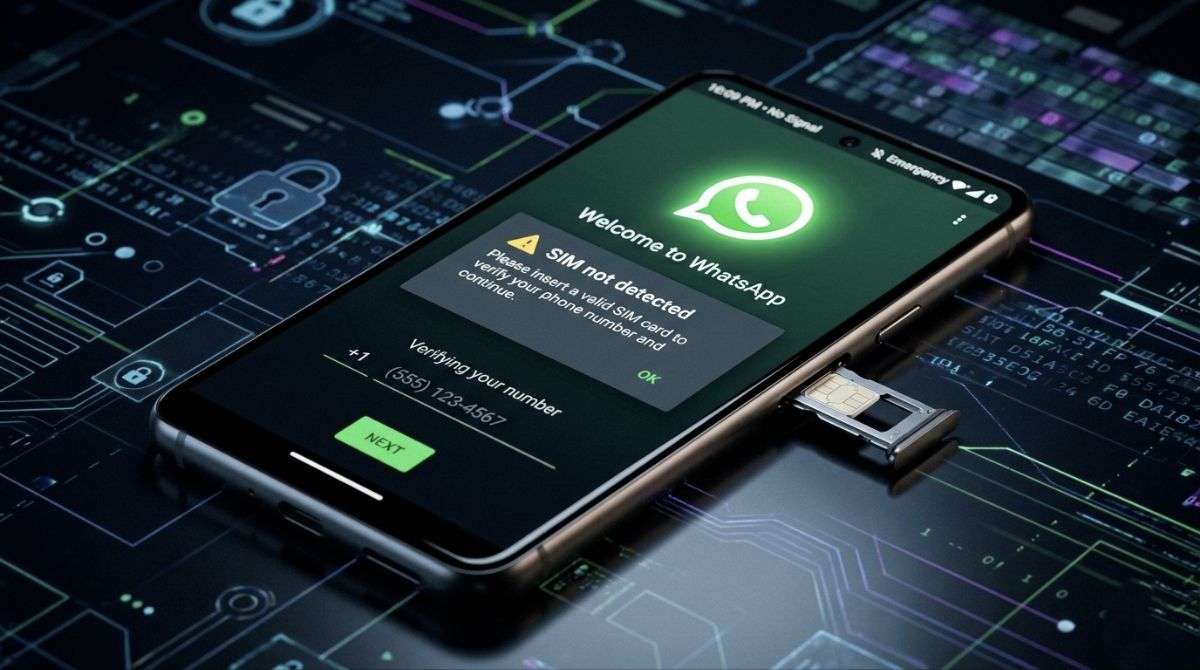
The SIM Binding Rule is a proposed security mechanism where messaging applications are required to remain connected to the same SIM card used during account registration. In simple terms, the messaging account will be linked to the physical SIM card inside the mobile device.
If the SIM card is removed or becomes inactive, the app may require re-verification or may temporarily stop working until the SIM is detected again. The rule is mainly being discussed as part of efforts to improve digital security and reduce cybercrime in India.
Why the Government is Considering This Rule
The main objective behind the SIM binding concept is preventing fraud and online scams.
In recent years, cybercrime cases involving messaging platforms have increased significantly. Many fraudsters misuse temporary SIM cards or international numbers to run scams.
Common scams include:
- SIM swap fraud
- Fake job scams
- OTP theft
- Investment scams through WhatsApp groups
- Impersonation using fake WhatsApp accounts
By linking messaging apps directly with the SIM card, authorities hope to make it more difficult for criminals to operate anonymous accounts.
Will WhatsApp Logout Without SIM?
One of the biggest concerns among users is whether WhatsApp will automatically logout if the SIM card is removed.
Currently, WhatsApp verification only happens during the initial account setup using an OTP sent to the registered phone number. Once verified, users can continue using WhatsApp even without the SIM card inserted.
However, if the SIM binding rule is implemented in the future, the system could periodically check whether the registered SIM card is still present in the device.

If the SIM is not detected, WhatsApp might:
- Ask for re-verification
- Restrict certain features
- Temporarily log out the account
It is important to note that no official change has been fully implemented for regular WhatsApp users yet.
Possible Impact on WhatsApp Web and Multi-Device
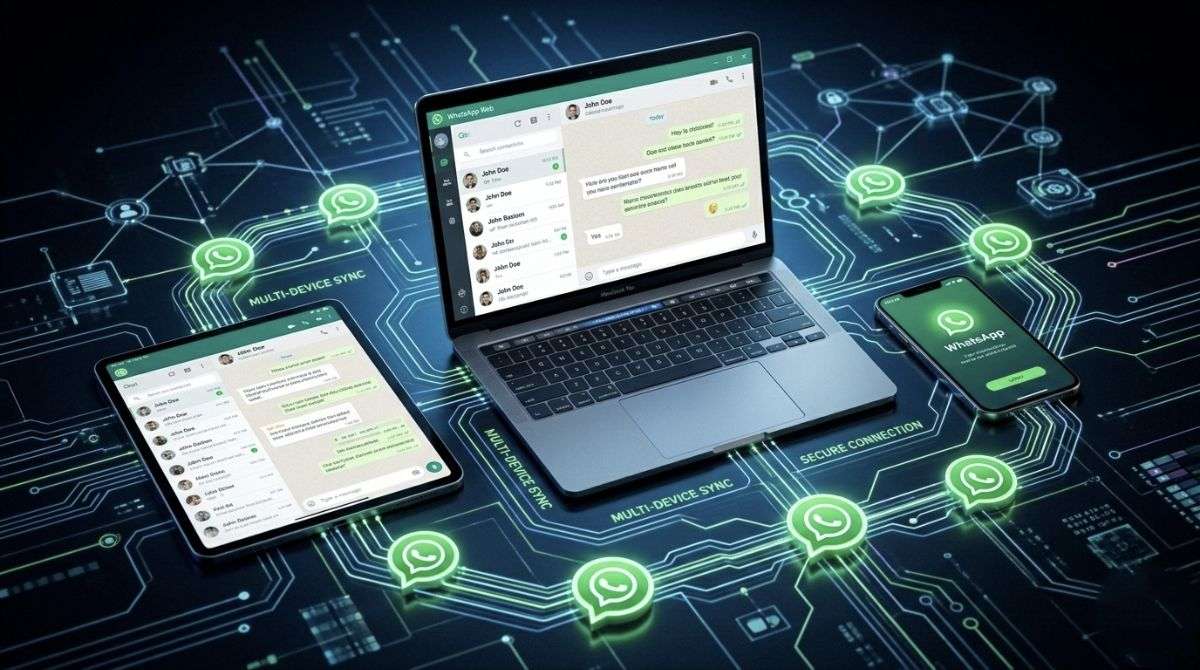
Another important concern is how this rule could affect WhatsApp Web and multi-device features.
Currently, WhatsApp allows users to connect multiple devices such as:
- Laptop
- Desktop computer
- Tablet
- Secondary smartphones
With the SIM binding concept, the primary device with the registered SIM card may become mandatory for active sessions.
Some possible changes could include:
- Periodic re-authentication
- Automatic logout after several hours
- More strict device verification
These changes would aim to ensure that the main device containing the SIM remains connected to the account.
How This Rule Can Help Prevent SIM Swap Fraud
One of the major cyber threats today is SIM swap fraud.
In this type of scam, criminals manage to transfer a victim’s phone number to another SIM card. Once they control the number, they can receive OTP messages and gain access to accounts such as:
- Bank accounts
- Social media accounts
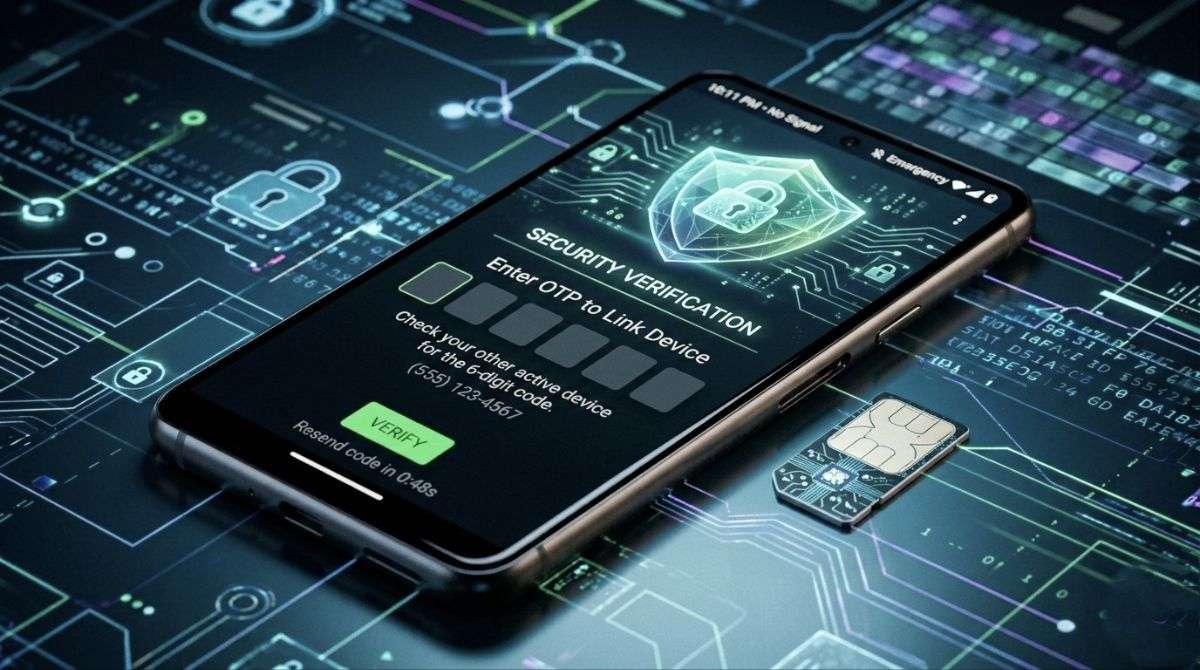
If messaging apps verify SIM presence regularly, it becomes harder for scammers to hijack accounts without access to the original device. This could significantly improve account security for users.
READ THIS: PAN Card Signature After Update 2026
Important Clarification
It is important to understand that many reports circulating online about automatic WhatsApp logout after 6 hours without SIM are still part of discussions or testing concepts.
As of now:
- WhatsApp continues to work normally for users
- Multi-device features remain active
- No nationwide mandatory SIM binding enforcement has been fully implemented for everyday users
Users should rely only on official updates from WhatsApp or government announcements.
Conclusion:
The proposed SIM Binding Rule for messaging apps in India is aimed at improving digital security and reducing cybercrime.
If implemented in the future, the rule may require messaging apps like WhatsApp to remain linked to the registered SIM card inside the primary device.
However, normal users who use WhatsApp on their main smartphone with an active SIM card are unlikely to experience major disruptions.
As digital security threats continue to grow, such regulations are being explored to ensure safer communication platforms for everyone.
About The Author