A small typing error during a digital payment turned into a major shock for a Bengaluru commuter and raised serious questions about UPI payment awareness.
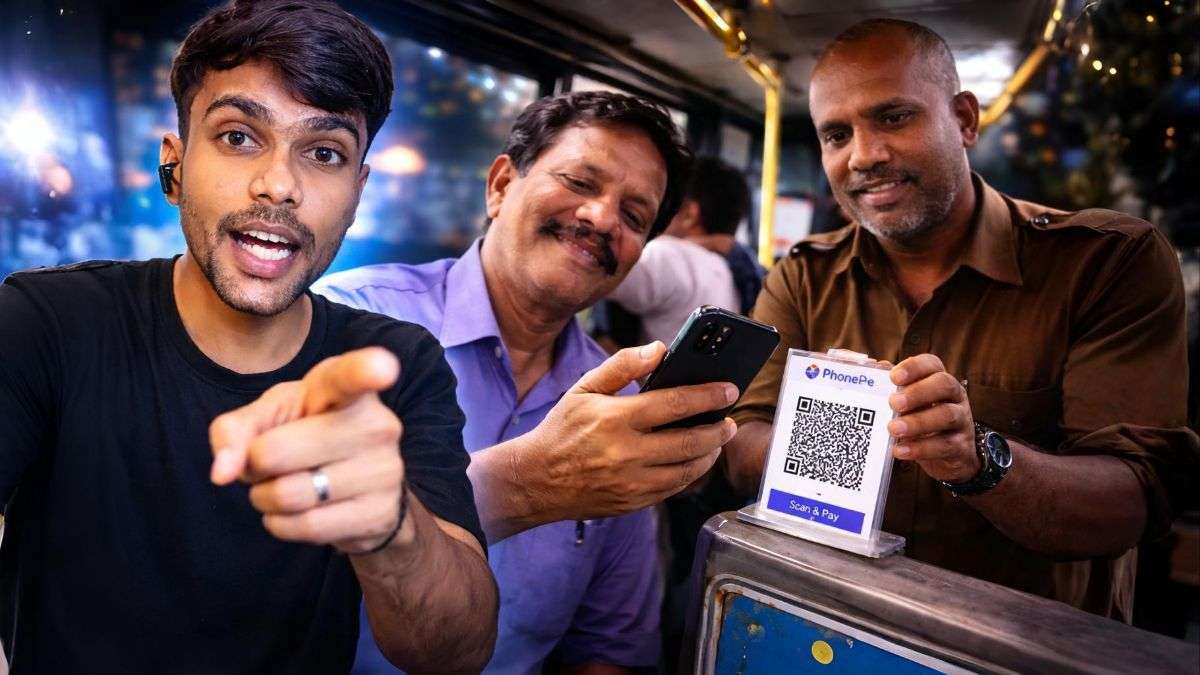
On January 14, 2026, a passenger travelling on a BMTC bus from Banashankari to Kadirenahalli accidentally transferred ₹62,316 instead of ₹6 while paying for a bus ticket through a UPI app. What was meant to be a routine QR code payment quickly became a stressful experience, highlighting how vulnerable everyday digital transactions can be when users are not fully alert.
What exactly happened?
According to officials, the passenger was scanning the QR code inside the bus to pay the ticket fare. While entering the amount manually, an extra set of digits was mistakenly added. Since UPI payments are instant, the amount was transferred immediately before the error could be corrected.
READ THIS: Best Deals & Price Drop Alerts Price History Tracker App
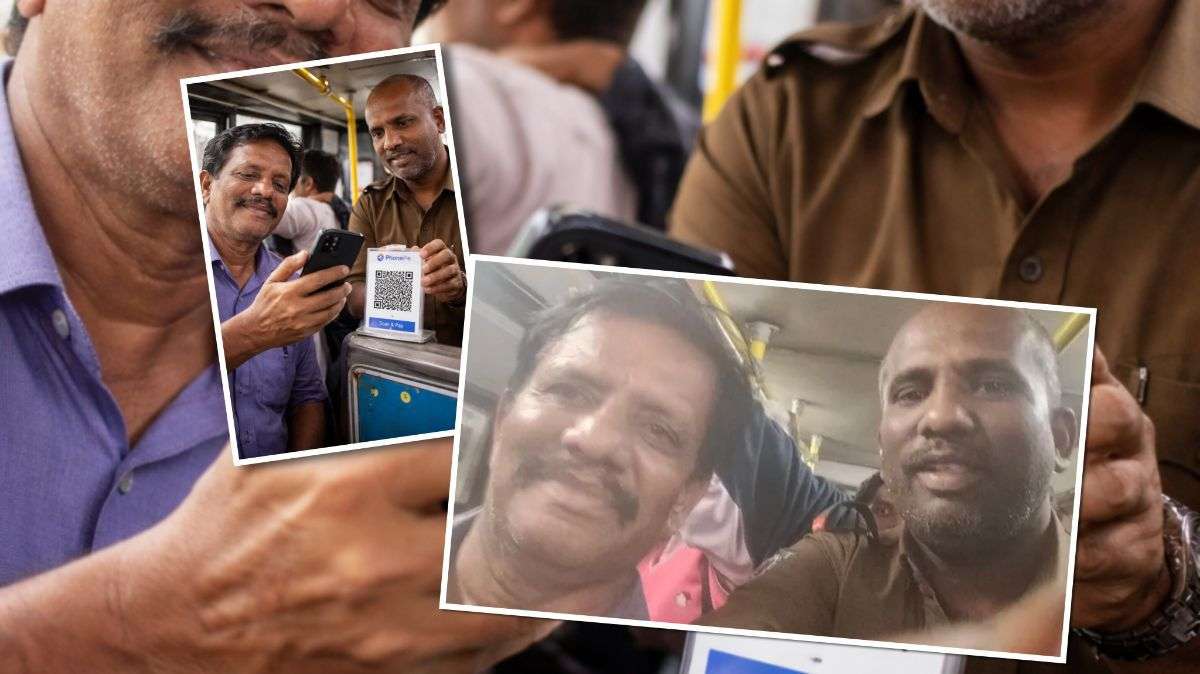
The bus conductor reportedly cooperated with the passenger and shared contact details, while BMTC officials informed that the refund could not be processed instantly due to procedural requirements. As of the initial reports, the amount had not been credited back immediately, though officials assured that the issue was being addressed.
Why do such UPI mistakes happen?
Digital payments are fast, convenient, and widely trusted, but they also depend heavily on user attention. Small-value transactions such as bus tickets, auto fares, or shop payments are often done in a hurry. In many cases, users skip rechecking the amount because they assume the value is too small to go wrong.

Manual amount entry, poor lighting, distractions, and overconfidence with daily UPI usage are some of the most common reasons such mistakes occur.
What should you do if you send money by mistake via UPI?
If you ever transfer money to the wrong person or enter the wrong amount, quick action is crucial:
- Raise a complaint immediately in your UPI app Most apps like PhonePe, Google Pay, and Paytm have a “Report a Problem” or “Wrong Transaction” option.
- Contact your bank without delay Inform your bank through customer care or branch support and provide transaction details.
- File a complaint with NPCI if needed If the issue is not resolved, a formal complaint can be raised through NPCI channels with proof of transaction.
- Do not wait or assume it will auto-reverse UPI transactions do not automatically reverse unless the recipient agrees or the institution intervenes.
Visit This Official Website NPCI
👇👇👇👇 Complaint Your Isuue
https://www.npci.org.in/upi-complaint.
Lessons from the BMTC incident
This incident is not just about one passenger’s mistake. It serves as a reminder for millions of UPI users across India. Digital payments are powerful tools, but they demand responsibility.
Setting daily transaction limits, double-checking amounts, and slowing down for even small payments can prevent major losses. Technology makes life easier, but awareness makes it safer.
Conclusion:
The BMTC UPI payment incident from January 14, 2026, is a clear reminder that digital convenience should never replace caution. While UPI has transformed everyday payments in India, even a small moment of carelessness can lead to serious financial stress.
This incident was not caused by fraud or system failure, but by a simple human error something that can happen to anyone. As digital payments become part of daily life, awareness is the real safety net.
Double-checking the amount, setting transaction limits, and knowing how to report mistakes through banks or NPCI are no longer optional habits they are essential. Technology will continue to evolve, but responsible usage is what truly protects our hard-earned money.
About The Author