Supreme Court on SC Status After Religious Conversion Official Law, Latest 2026 Clarification
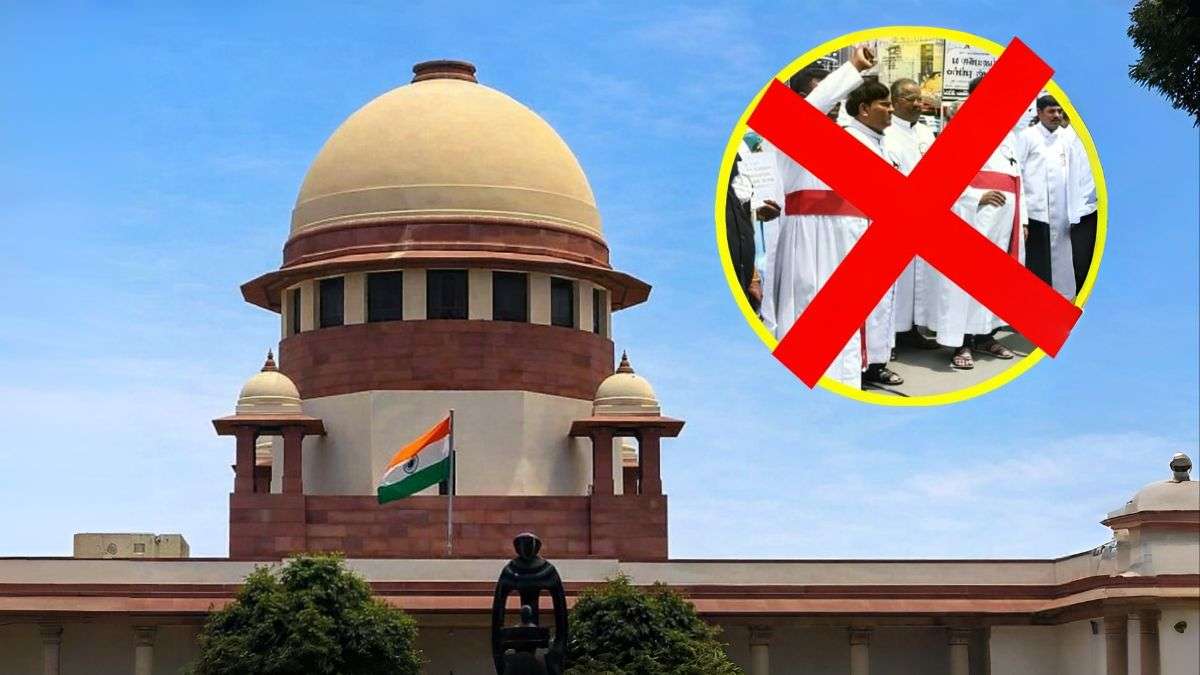
A viral claim circulating on social media suggests that the Supreme Court has recently ruled that Scheduled Caste (SC) status and reservation benefits will end after conversion to Christianity and remain limited to Hindus, Sikhs, and Buddhists.
This article examines official sources, legal provisions, and recent court observations to present a clear and verified explanation.
What the Supreme Court Said in 2026
Recent reports based on Supreme Court proceedings (March 2026) confirm that the Court has reiterated a long-standing legal position:
SC status is restricted to individuals belonging to Hinduism, Sikhism, and Buddhism Conversion to Christianity or Islam results in loss of SC status under current law The restriction flows directly from the Constitution (Scheduled Castes) Order, 1950
The Court did not introduce a new rule. It reaffirmed the existing constitutional framework governing Scheduled Caste recognition.
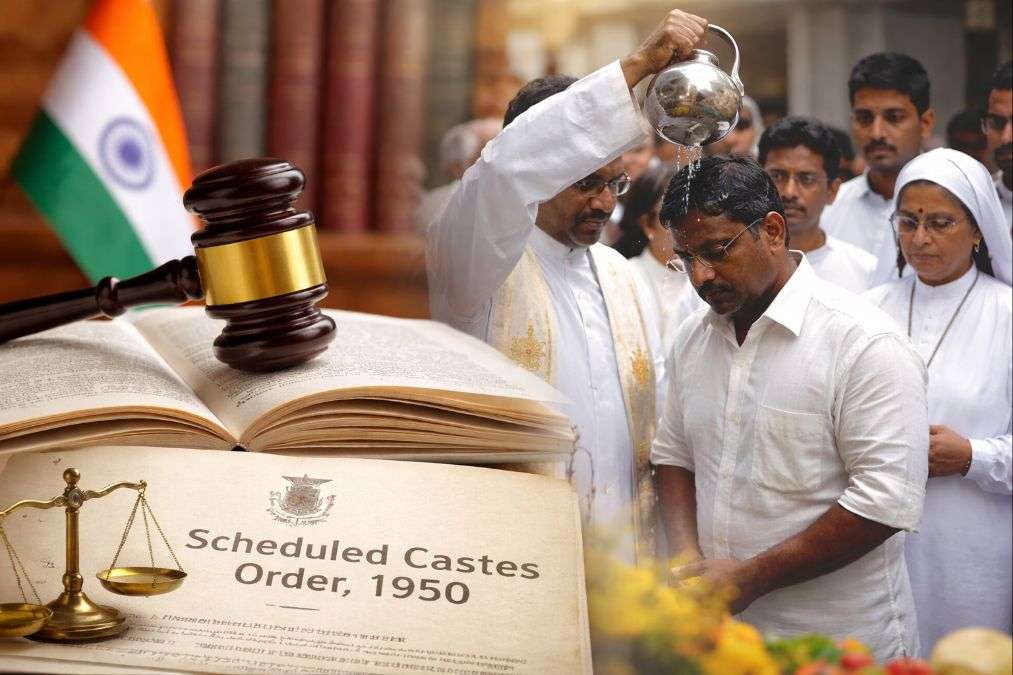
Official Legal Basis: Constitution (Scheduled Castes) Order, 1950
The foundation of this rule lies in the Constitution (Scheduled Castes) Order, 1950, issued under Article 341 of the Indian Constitution.
Key Provisions
- Initially, SC status was limited only to Hindus
- Extended to Sikhs in 1956
- Extended to Buddhists in 1990
- Not extended to Christians or Muslims
This means that eligibility for SC reservation is legally tied to specific religions recognized in the Presidential Order.
Why Religion is Linked to SC Status
The rationale behind this legal structure is historical and social:
Scheduled Castes were identified based on caste-based discrimination within the Hindu social system The extension to Sikhs and Buddhists was justified due to similar social backgrounds and historical contexts
The law assumes that conversion to other religions removes the caste-based social disability in legal terms However, this assumption remains debated in academic, social, and political circles.
What Happens After Conversion
Under current law: A person who converts from Hindu, Sikh, or Buddhist religion to Christianity or Islam loses SC status They are no longer eligible for SC reservation benefits in education, jobs, or politics
In some cases, they may be eligible under OBC categories depending on state policies
Important Court Observations
Courts in India, including the Supreme Court, have made several observations over time SC status is determined strictly by the Presidential Order Any benefit outside this framework requires legislative or constitutional amendment Claims of SC status after conversion have been rejected in multiple cases
The judiciary has consistently maintained that it cannot modify the scope of the 1950 Order only Parliament has that authority.
Ongoing Legal and Policy Debate
The issue is not fully settled in policy terms:
Petitions are pending seeking SC status for Dalit Christians and Dalit Muslims Government committees and commissions have examined the issue The matter involves complex questions of social justice, religion, and constitutional law As of 2026, no amendment has been made to include other religions in the SC category.
Fact Check: Viral Claim vs Reality
Claim: Supreme Court has newly ruled that SC status ends after conversion to Christianity
Reality: The statement is legally correct However, it is not a new decision It is a reaffirmation of an existing law in force since 1950
Final Verdict
The viral claim is partly true but misleading in presentation.
True: SC status does not continue after conversion to Christianity or Islam under current law
Misleading: It is not a new rule or sudden decision by the Supreme Court
Fact: The Court has only reiterated the provisions of the Constitution (Scheduled Castes) Order, 1950
Conclusion:
The Supreme Court’s recent remarks have brought renewed attention to an old legal provision governing Scheduled Caste status in India. While the law remains unchanged, the broader debate on inclusion, equality, and religious identity continues. Any change to this framework will require legislative action rather than judicial interpretation.
About The Author