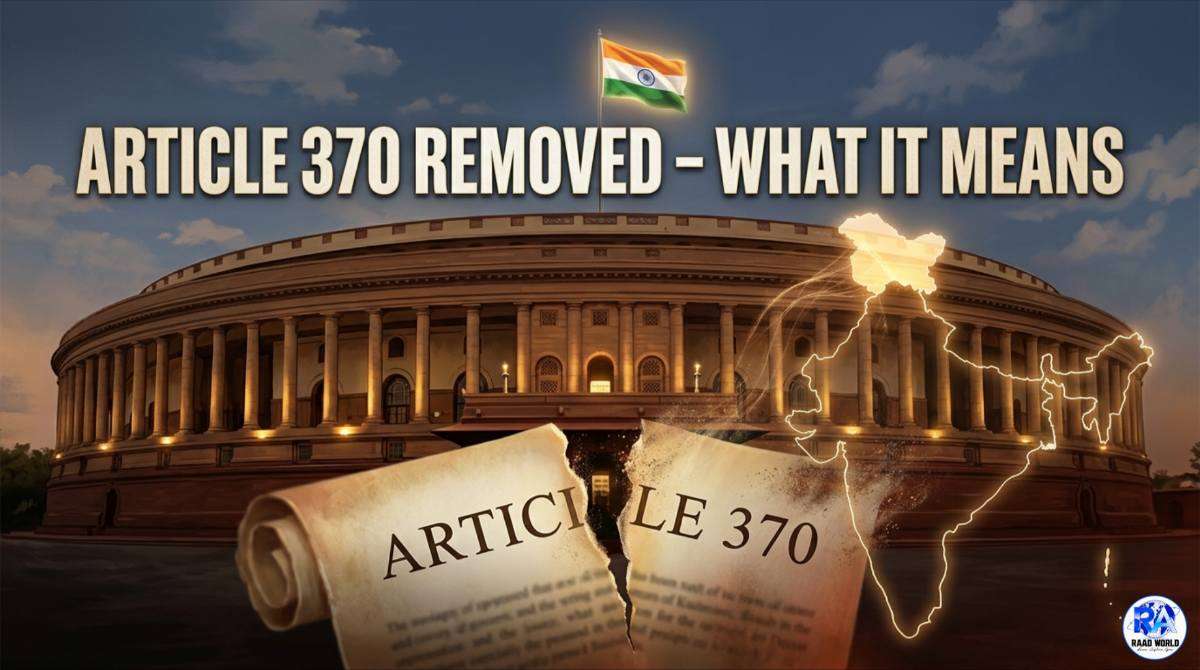
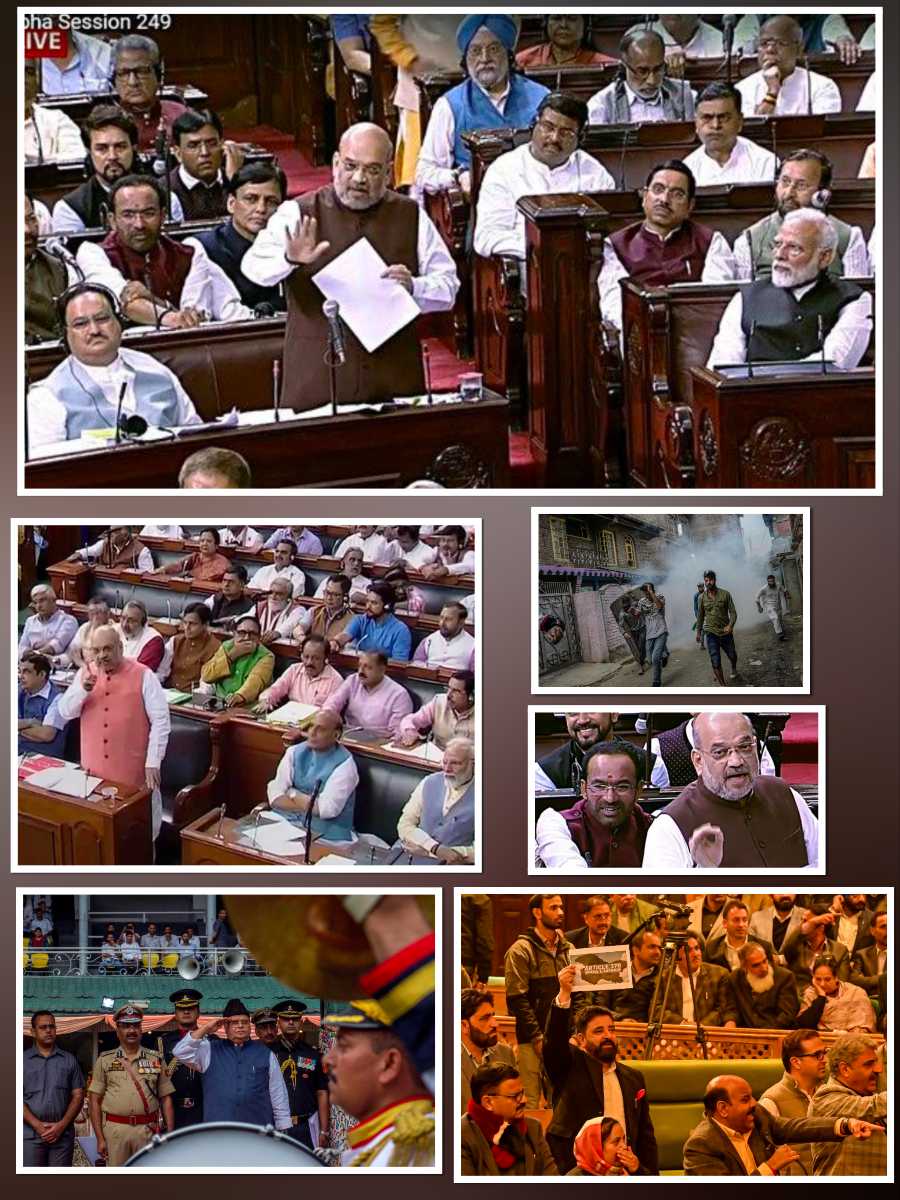
The removal of Article 370 from the Constitution of India in August 2019 remains one of the most significant constitutional decisions in modern Indian history.
The move fundamentally altered the legal and political status of Jammu and Kashmir and has continued to shape national discourse on federalism, governance, and national integration.
This article provides a clear, fact-based explanation of why Article 370 was removed, drawing from official government statements, parliamentary proceedings, and judicial interpretation.
Understanding Article 370
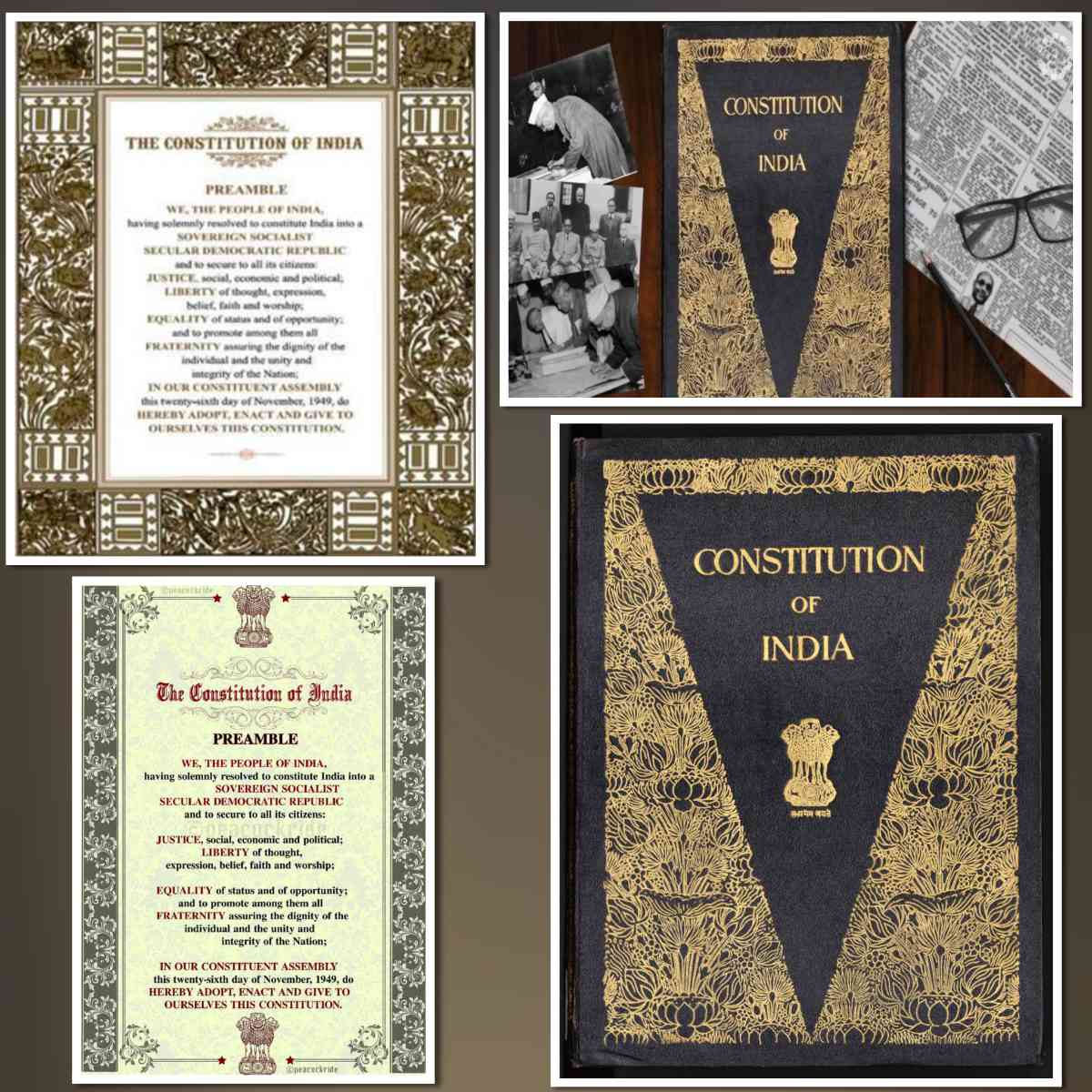
Article 370 was a temporary provision in the Constitution of India that granted special status to the former state of Jammu and Kashmir. Under this provision Jammu and Kashmir had its own Constitution The Indian Parliament had limited legislative powers over the state Central laws were applicable only with the concurrence of the state government
READ THIS: Indian Constitution Day : History Facts Untold Stories
Over time, through various Presidential Orders, several provisions of the Indian Constitution were extended to the state. However, Article 370 continued to symbolically and legally represent a distinct constitutional relationship.
Official Reasons for the Removal of Article 370
1. Complete Constitutional Integration
The Government of India stated that Article 370 created a separate constitutional framework for Jammu and Kashmir, which was inconsistent with the principle of national unity. By removing the provision, the government aimed to ensure that the entire Constitution of India applied uniformly across all regions.
This step effectively ended the separate constitution of Jammu and Kashmir and aligned the region fully with the Indian Union.
READ THIS: Why India’s National Anthem Reflects the Country’s Geography Republic Day Special
2. Uniform Application of Laws
Before its removal, several central laws either did not apply or had limited applicability in Jammu and Kashmir. These included laws related to social justice, anti-corruption measures, and minority rights.
After the abrogation, all central laws became applicable, ensuring equal legal rights and protections for all citizens irrespective of their region.
3. Promotion of Economic Development
According to official policy reasoning, Article 370 was seen as a barrier to investment and economic growth. Restrictions on property ownership and business operations discouraged external investment.
The removal was intended to open the region to:
- Private investment
- Infrastructure development
- Employment opportunities
The government emphasized that economic integration would contribute to long-term stability and prosperity.
4. Strengthening Governance and Democracy
Government statements in Parliament highlighted that certain democratic and administrative systems were not fully effective under Article 370. This included limitations in the implementation of:
- Local self-governance institutions
- Transparency and anti-corruption laws
The removal was projected as a step toward strengthening grassroots democracy and improving administrative efficiency.
5. Addressing Security Concerns
Another key justification was related to national security. The government argued that the special status contributed to separatist tendencies and hindered effective governance in a sensitive border region.
The decision aimed to:
- Enhance internal security
- Reduce militancy
- Improve coordination between central and local authorities
6. Legal and Constitutional Procedure
The removal of Article 370 was carried out through a constitutional process:
- A Presidential Order was issued on 5 August 2019
- Both Houses of Parliament approved the resolution
- The Jammu and Kashmir Reorganisation Act, 2019 was enacted
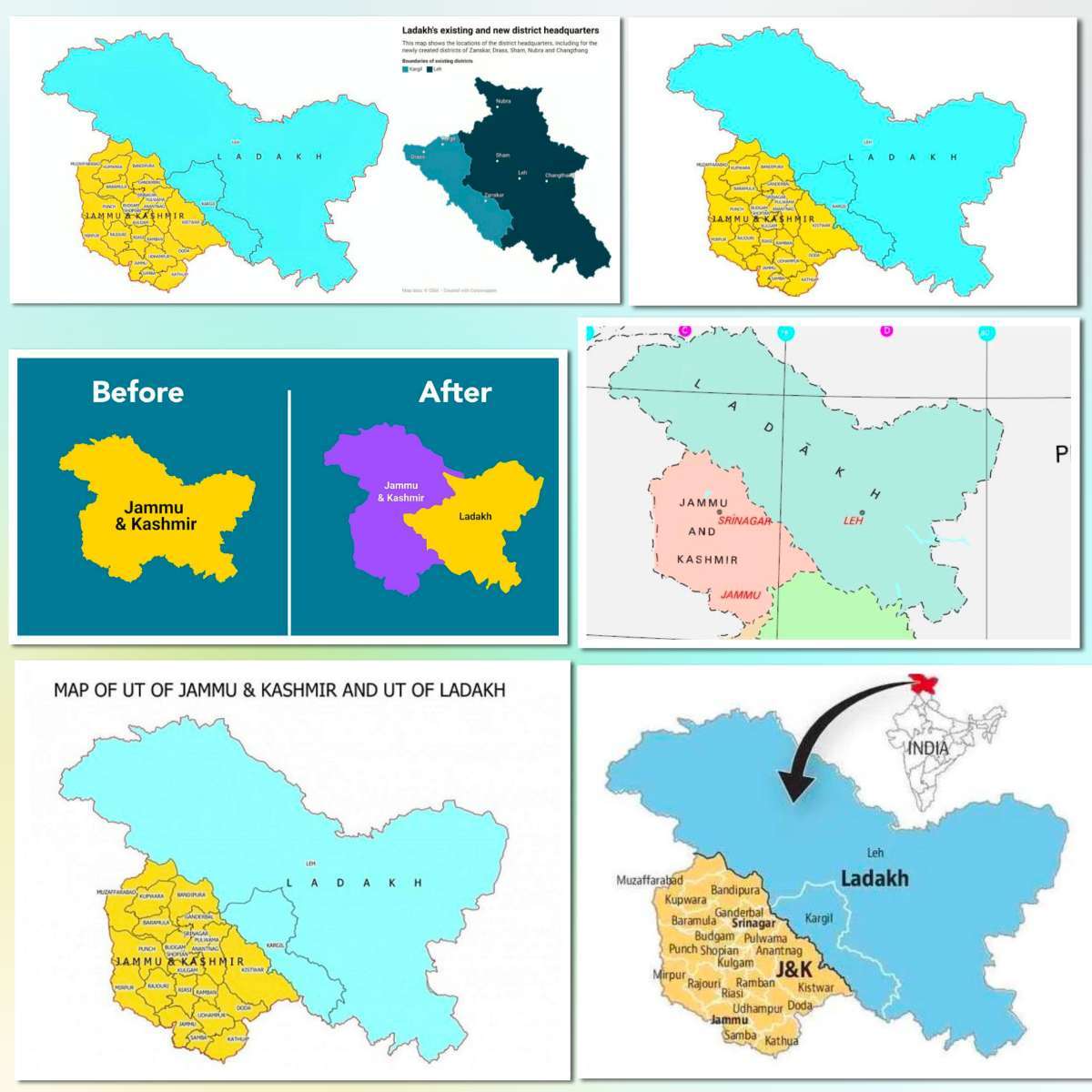
Following this, the state was reorganized into two Union Territories: Jammu and Kashmir, and Ladakh.
READ THIS: RBI Foundation Day 2026: Complete History, Facts, Ambedkar Role & Official Truth Explained
Supreme Court Validation
In December 2023, the Supreme Court of India upheld the government’s decision to abrogate Article 370. The Court observed that Article 370 was a temporary provision.
The President had the authority to modify its application The move aimed at constitutional integration of the region The judgment provided legal clarity and reinforced the constitutional basis of the decision.
Critical Perspectives
While the government presented multiple justifications, the decision has also faced criticism from political leaders, scholars, and civil society groups.
Key concerns include:
The use of President’s Rule during the decision-making process The absence of an elected state legislature’s consent Questions regarding federalism and regional autonomy These perspectives are important for a balanced understanding of the issue, especially in academic and competitive exam contexts.
Conclusion
The removal of Article 370 marked a turning point in India’s constitutional and political landscape. Officially, the decision was driven by objectives such as national integration, uniform legal framework, economic development, and improved governance.
At the same time, it remains a subject of ongoing debate, reflecting the complexities of balancing unity, diversity, and democratic principles in a federal system.
For students, aspirants, and readers, understanding both the official rationale and the broader implications is essential to grasp the full significance of this historic decision.
Frequently Asked Questions (FAQ) – Article 370
1. What was Article 370 in the Indian Constitution?
Article 370 was a temporary provision that granted special status to Jammu and Kashmir, allowing it to have its own constitution and autonomy over internal matters.
2. Why was Article 370 removed?
The Government of India removed Article 370 to ensure full integration of Jammu and Kashmir, apply uniform laws, promote development, and strengthen national security.
3. When was Article 370 removed?
Article 370 was effectively removed on August 5, 2019, through a Presidential Order and approval by the Indian Parliament.
4. What changes happened after Article 370 removal?
Jammu and Kashmir lost its special status, and the state was reorganized into two Union Territories: Jammu and Kashmir, and Ladakh.
5. Did the Supreme Court approve the removal of Article 370?
Yes, in December 2023, the Supreme Court of India upheld the government’s decision, stating that Article 370 was a temporary provision.
6. How did Article 370 affect development in Jammu and Kashmir?
According to official views, Article 370 restricted external investment and economic growth. Its removal aimed to boost infrastructure, jobs, and business opportunities.
7. What is the Jammu and Kashmir Reorganisation Act, 2019?
It is the law that reorganized the former state into two Union Territories: Jammu and Kashmir, and Ladakh, after the removal of Article 370.
8. Was Article 370 permanent or temporary?
Article 370 was classified as a temporary provision in the Indian Constitution, though it remained in effect for several decades.
9. What are the main benefits claimed after removing Article 370?
Supporters claim benefits such as equal rights, better governance, increased investment, and improved national security.
10. Why is Article 370 still debated today?
The decision remains debated due to concerns about federalism, lack of local consent, and its long-term political and social impact.
About The Author