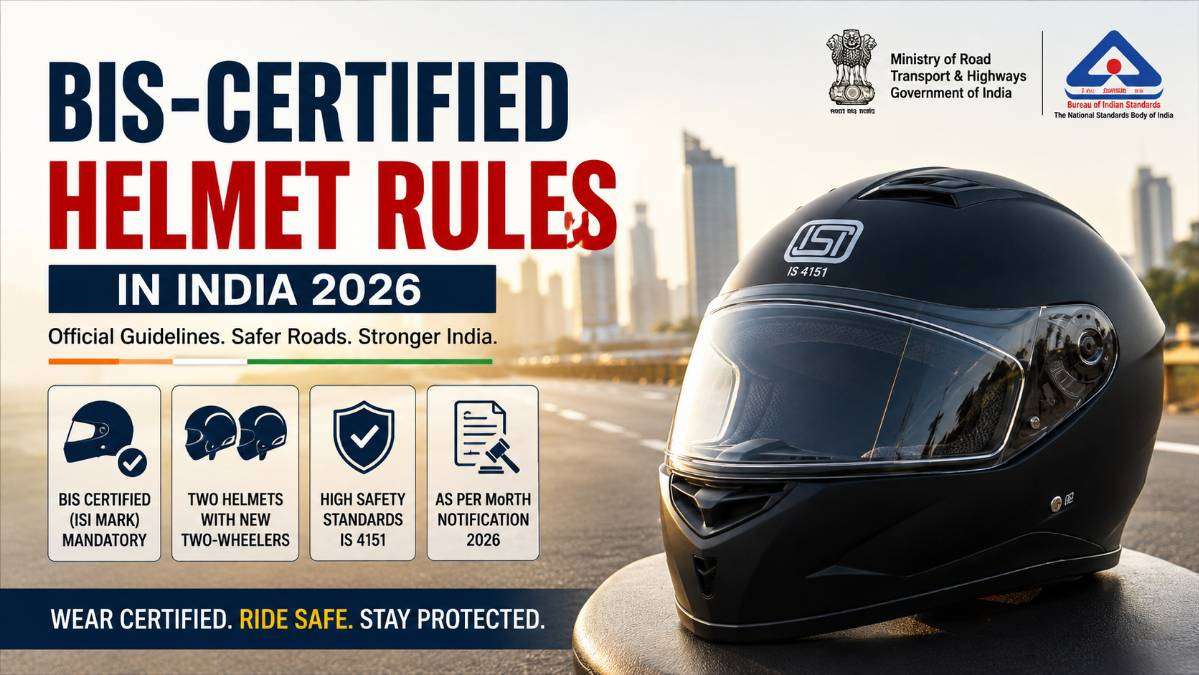
Road safety remains one of the highest priorities for the Government of India, and wearing a certified safety helmet is a crucial step in reducing fatalities and serious injuries in road accidents.
The Ministry of Road Transport and Highways (MoRTH) and the Bureau of Indian Standards (BIS) have introduced and enforced several regulations to ensure that only quality-certified helmets are used by two-wheeler riders across the country.
This article explains the official rules regarding BIS-certified helmets, the latest government updates, and why riders should always choose certified protective gear.
What is a BIS-Certified Helmet?
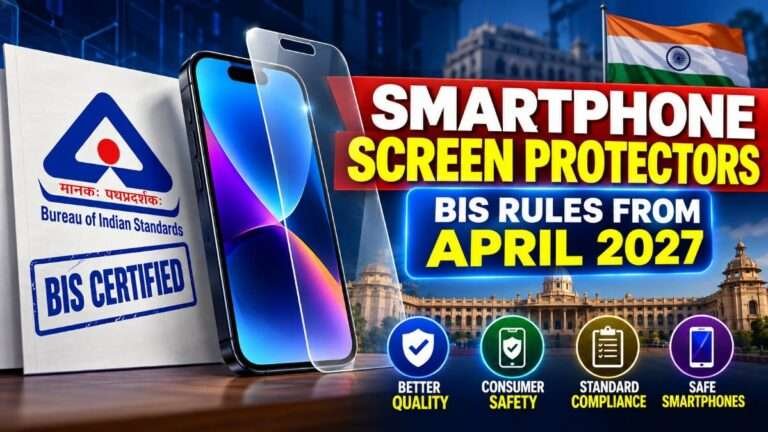
A BIS-certified helmet is a helmet that meets the quality and safety standards specified by the Bureau of Indian Standards (BIS). These helmets carry the ISI mark and comply with Indian Standard IS 4151 for protective helmets used by riders and pillion riders of two-wheelers.
The ISI mark indicates that the helmet has undergone testing for impact resistance, penetration resistance, retention system strength, field of vision, and other important safety parameters. Using a certified helmet significantly improves rider protection during road accidents.
Why BIS Certification is Important
Helmets are designed to protect the head during collisions. Poor-quality or uncertified helmets may not provide adequate protection and could fail during an accident.
The Bureau of Indian Standards established quality requirements to ensure that helmets sold in the Indian market meet minimum safety standards. This helps consumers identify reliable products while preventing the sale of substandard protective equipment.
Mandatory Use of BIS-Certified Helmets
The Government of India has made BIS-certified helmets mandatory for riders and pillion riders wherever helmet use is required under the Motor Vehicles Act and related rules.
Manufacturing, importing, storing, selling, or distributing helmets without BIS certification is restricted under the Quality Control Order issued by the Government. This measure aims to remove unsafe helmets from the market and improve overall road safety.
Latest Government Update for New Two-Wheelers
The Ministry of Road Transport and Highways has notified a new rule requiring manufacturers of two-wheelers to provide two BIS-certified protective helmets at the time of vehicle purchase. This requirement applies to eligible new two-wheelers manufactured after the notified implementation date.
The objective of this initiative is to improve compliance with helmet safety standards and encourage both the rider and the pillion passenger to use certified protective gear from the very beginning.
The helmets supplied with new vehicles must comply with BIS standards and carry the required certification mark.
Role of the Bureau of Indian Standards (BIS)
The Bureau of Indian Standards is India’s National Standards Body responsible for developing quality standards across various industries.
For helmets, BIS:
- Develops national safety standards.
- Grants certification to eligible manufacturers.
- Conducts inspections and surveillance.
- Takes action against misuse of the ISI mark.
- Ensures certified products meet prescribed safety requirements.
How to Identify a Genuine BIS Helmet
Consumers should carefully examine a helmet before purchasing it.
- Look for the ISI mark.
- Verify that the helmet complies with IS 4151.
- Check the manufacturer’s licence number.
- Purchase from authorised dealers or trusted retailers.
- Avoid counterfeit or duplicate certification marks.
BIS also provides verification facilities to help consumers identify genuine certified products.
Benefits of Wearing a Certified Helmet
- Better protection against head injuries.
- Compliance with Indian safety regulations.
- Improved impact absorption.
- Reliable manufacturing quality.
- Greater confidence while riding.
Government’s Focus on Road Safety
The Government of India continues to strengthen road safety through better enforcement, public awareness campaigns, stricter manufacturing standards, and improved vehicle safety regulations.
Promoting the use of BIS-certified helmets forms an important part of the national road safety strategy aimed at reducing fatalities among two-wheeler users.
Official Sources
- Ministry of Road Transport and Highways (MoRTH)
- Bureau of Indian Standards (BIS)
- Motor Vehicles Act, 1988
- Central Motor Vehicles Rules, 1989
- Quality Control Order relating to Protective Helmets for Two-Wheeler Riders
Conclusion
According to the official regulations issued by the Government of India, BIS-certified helmets are mandatory for eligible two-wheeler riders and passengers. The BIS certification system ensures that helmets meet nationally approved safety standards, helping protect lives on Indian roads.
The latest government notification requiring manufacturers to supply two BIS-certified helmets with eligible new two-wheelers further strengthens the country’s commitment to road safety. Riders should always purchase genuine ISI-marked helmets that comply with BIS Standard IS 4151 and follow all applicable traffic regulations.
For the most accurate and updated information, citizens should rely only on official notifications issued by the Ministry of Road Transport and Highways (MoRTH) and the Bureau of Indian Standards (BIS).
About The Author