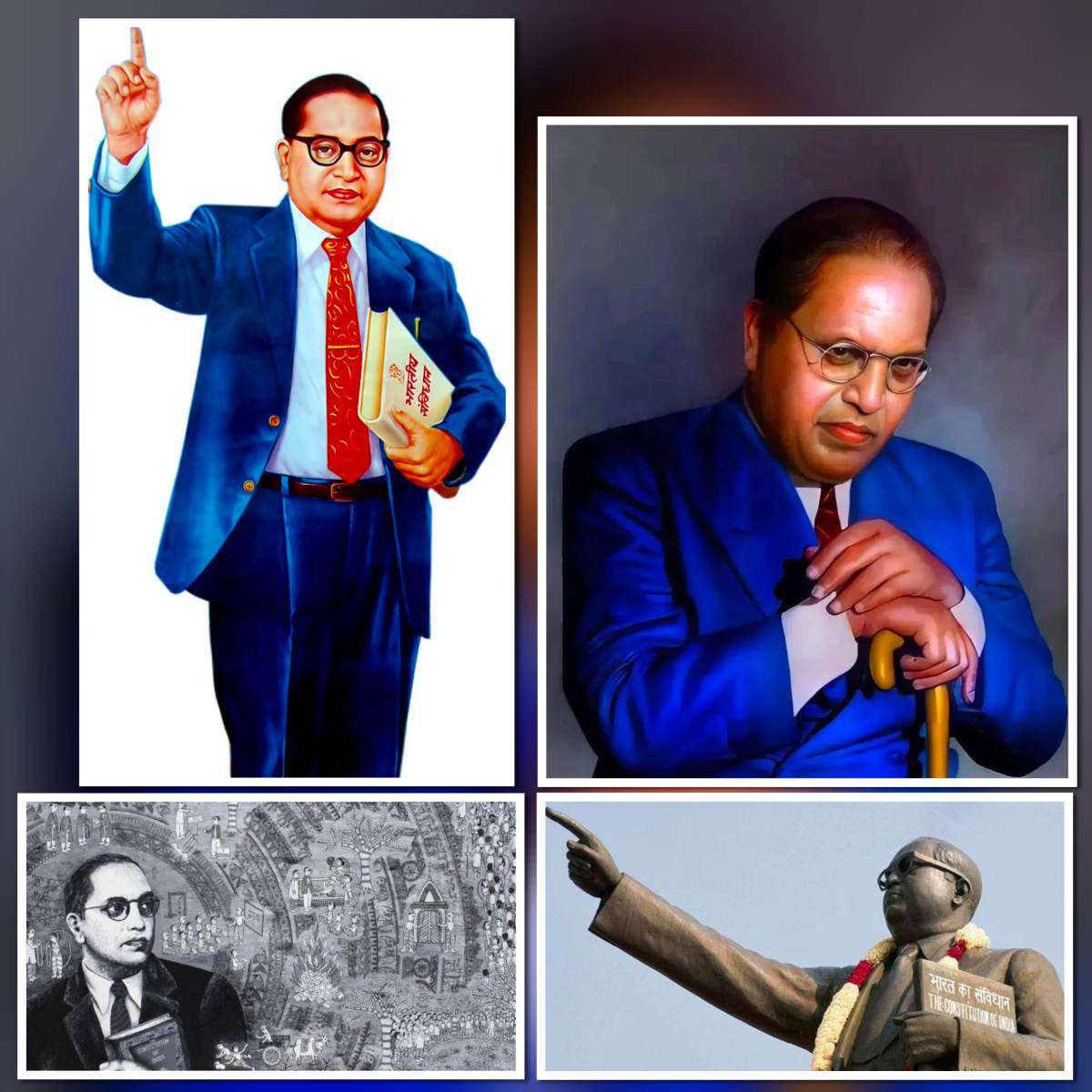
The color blue is not just a visual identity it is a powerful symbol of resistance, equality, and dignity in modern India. One of the most iconic figures associated with this color is Dr. Bhimrao Ramji Ambedkar, popularly known as Babasaheb Ambedkar.
His consistent use of blue in clothing, flags, and movement symbolism has raised an important question: Why did Dr. B. R. Ambedkar like the color blue?
This article explores the historical, philosophical, and cultural reasons behind Ambedkar’s association with blue, and how it evolved into a global symbol of justice and empowerment.
1. Blue as a Symbol of Equality and Justice
Dr. B. R. Ambedkar dedicated his entire life to fighting against caste discrimination and social inequality. The color blue perfectly represents the ideals he stood for:
Equality: Just like the sky covers everyone equally, blue symbolizes a society without discrimination.
Justice: It reflects fairness and truth principles embedded in the Indian Constitution, which Ambedkar helped draft.
Unity: Blue connects people beyond caste, religion, and social barriers.
For Ambedkar, blue was not just a preference it was a visual representation of his dream of an equal society.
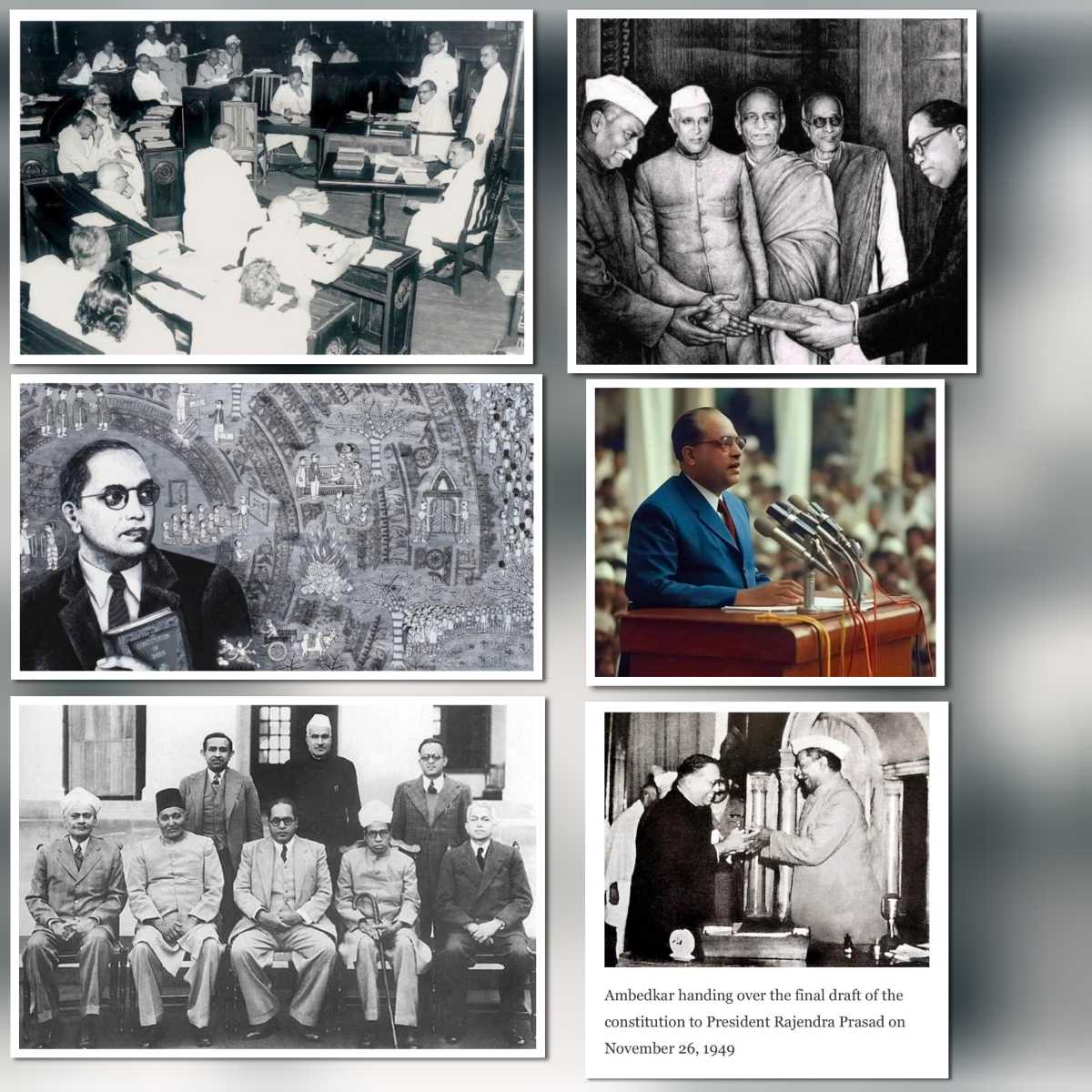
READ THIS: Indian Constitution Day : History Facts Untold Stories
2. Influence of Buddhism
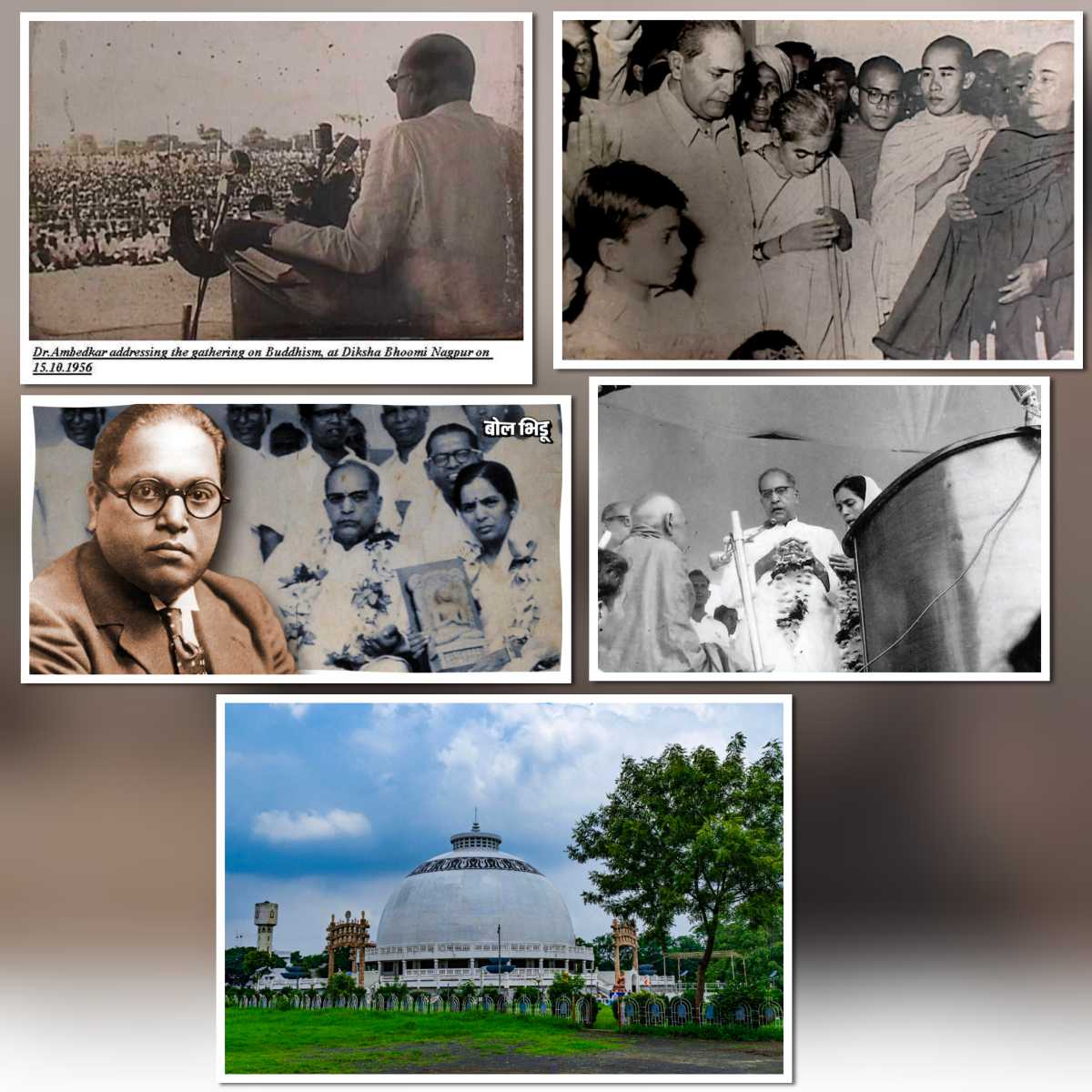
In 1956, Dr. Ambedkar embraced Buddhism along with millions of his followers. His decision was deeply philosophical and aimed at rejecting caste-based oppression.
In Buddhism, blue holds special significance:
- It symbolizes wisdom and intelligence.
- It represents calmness and compassion.
- It reflects spiritual liberation.
Ambedkar found in Buddhism a path of equality and rational thinking. The color blue naturally aligned with these teachings, further strengthening its importance in his life.
3. Blue as the Identity of the Dalit Movement
Over time, blue became the official color of the Dalit movement inspired by Ambedkar’s ideology. Today, it is widely used in:
- Dalit protest flags
- Political movements
- Social justice campaigns
- Ambedkarite organizations
The blue flag represents:
- Resistance against oppression
- Unity of marginalized communities
- Hope for a better future
Millions of followers proudly wear blue as a mark of identity and respect for Babasaheb.
READ THIS: Dr. B.R. Ambedkar Mahaparinirvan Diwas December 6
4. Ambedkar’s Personal Style and Iconic Blue Suit
Dr. Ambedkar was known for his sharp dressing sense. He often wore blue suits, which later became iconic.
His attire symbolized:
- Modernity and professionalism
- Self-respect and dignity
- Breaking stereotypes
At a time when marginalized communities were denied basic rights, Ambedkar’s dignified appearance sent a powerful message—education and self-respect can break any barrier.
5. Representation of the Working Class
Blue is commonly associated with “blue-collar workers,” representing laborers and the working class.
Ambedkar fought tirelessly for:
- Workers’ rights
- Fair wages
- Social security
- Labor reforms
Thus, blue also symbolized his commitment to uplifting workers and economically weaker sections of society.
READ THIS: Bhima Koregaon History
6. Psychological and Universal Meaning of Blue
From a broader perspective, blue is universally associated with:
- Trust and stability
- Intelligence and depth
- Peace and calmness
These qualities perfectly align with Ambedkar’s personality—calm yet powerful, intellectual yet revolutionary.
7. Blue in Modern India: A Living Legacy
Even today, the legacy of blue continues across India and beyond:
- Ambedkar statues are often painted with blue coats
- Blue flags dominate Ambedkar Jayanti celebrations
- Social media campaigns use blue themes to spread awareness
For millions, blue is no longer just a color it is a movement, a voice, and a symbol of empowerment.
Conclusion
Dr. B. R. Ambedkar’s association with the color blue goes far beyond personal choice. It represents a powerful combination of equality, justice, spirituality, and resistance.
From the teachings of Buddhism to the struggles of marginalized communities, blue became a unifying force under Ambedkar’s vision. Today, it continues to inspire generations to fight for a fair and just society.
In essence, blue is not just Ambedkar favorite color it is the color of a revolution.
About The Author




 Rahul Bidnal