Indian Army Allows Instagram View Only Access For Personnel Rules Explanation About This
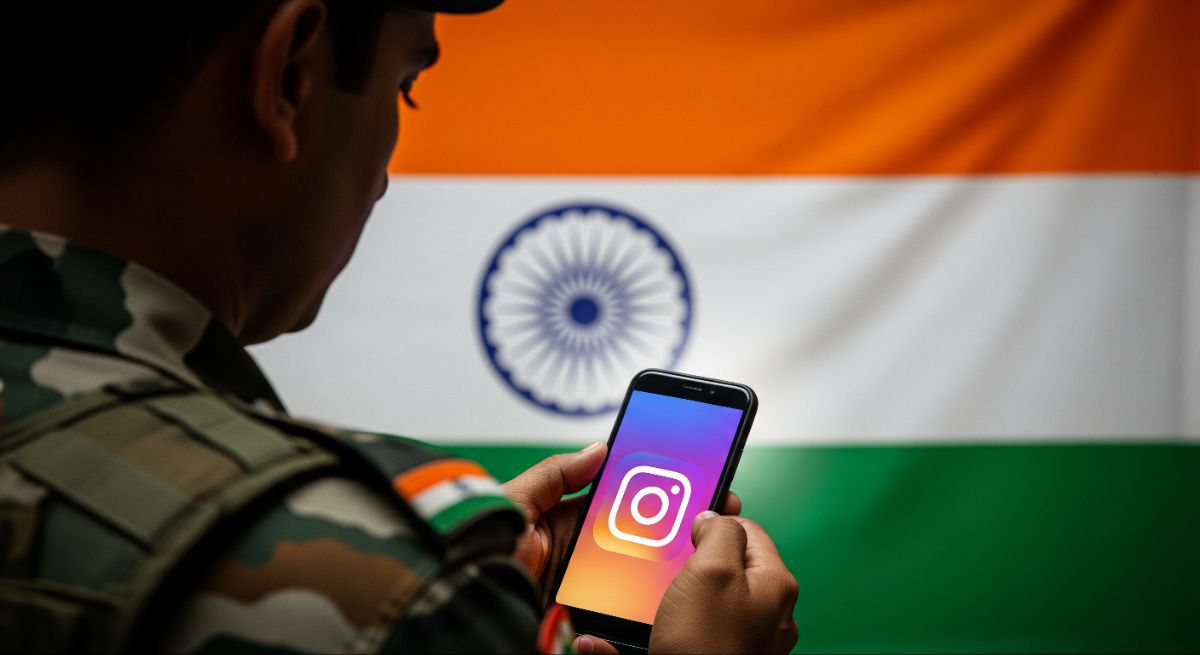
The Indian Army has recently updated its social media policy to allow serving personnel to access Instagram in a strictly “view-only” mode. Under this new directive, soldiers and officers are permitted to browse and monitor content on Instagram, but they are not allowed to like, comment, share, post, send messages, or engage in any interactive activities on the platform. This limited access is intended solely for information awareness and digital monitoring, rather than active participation.
This updated policy was issued by the Army Headquarters through the Directorate General of Military Intelligence (DGMI) and came into effect in late December 2025.
It also applies to other platforms like X (formerly Twitter), YouTube and Quora, where personnel are allowed only passive or “view-only” use for informational purposes. Messaging apps like WhatsApp, Telegram, Signal and Skype may be used for exchanging general, unclassified information with known contacts, while professional networking on LinkedIn is permitted within restricted, professional boundaries.
Read This Article Also: Bangladesh Unrest Impact on India: Security, Diplomacy & Border Concerns Explained
The Army’s policy continues to prohibit active engagement online. This means posting personal updates, sharing photos or videos, interacting with public figures, or expressing opinions that could reveal unit details, locations, or sensitive information remains forbidden. Even with this relaxed access, the use of VPNs, unverified tools, or unsafe software continues to be strongly discouraged due to potential security risks.
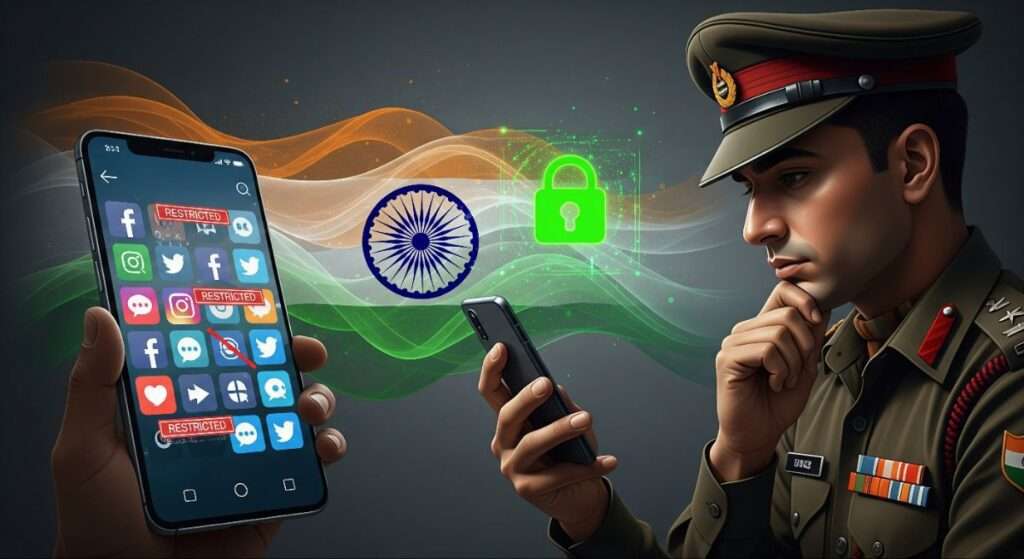
Why the Change?
The Indian Army’s revised approach reflects a careful balance between operational security and the realities of today’s digital environment:
Operational Security (OPSEC):
One of the Army’s main concerns has always been preventing sensitive information from being leaked or exploited. In the past, personnel faced significant restrictions or complete bans on social media because of incidents where foreign intelligence agencies used fake profiles or “honey traps” to extract information. Allowing interaction online increases such risks, which is why only viewing is permitted.
Situational Awareness and Information Monitoring:
Disinformation and rapidly spreading digital narratives have become key components of modern information warfare. By allowing soldiers to stay informed about trending topics, misinformation campaigns, and global developments, the Army aims to strengthen awareness without compromising security.
Personal Connectivity and Morale:
Smartphones and social media are a central part of modern life. Many personnel are stationed far from home, and being able to view posts from family, friends, and public information sources helps maintain morale and a sense of connection without risking inadvertently sharing sensitive data.
Read This Article Also: BSF Constable GD Sports Quota Recruitment 2025: 549 Posts Explained
Conclusion: The Indian Army’s decision to allow view-only Instagram access represents a measured and modernized approach to social media use within the armed forces.
While the restrictions on interaction remain strict to protect national security, permitting passive access acknowledges the importance of digital awareness, information monitoring, and personal connection in today’s world. This balanced policy helps soldiers stay informed and connected while maintaining the discipline and confidentiality required by military service.
About The Author