Aadhaar Becomes the World’s Largest Biometric Identity System: Official UIDAI Data Explained
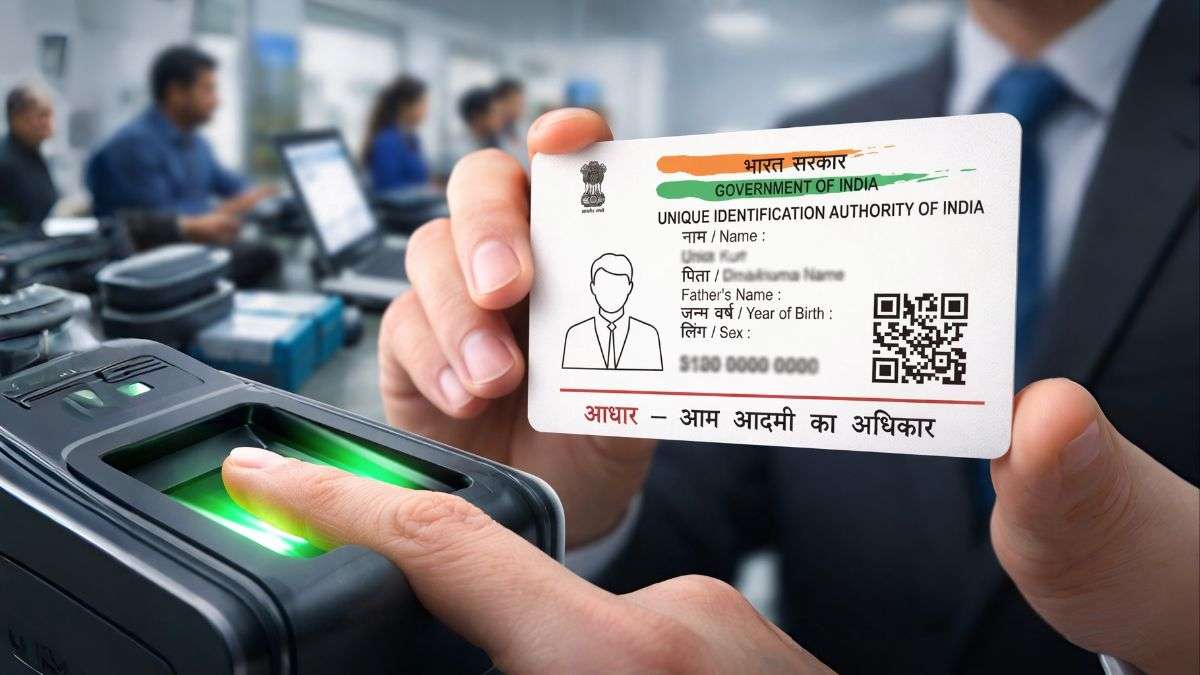
India’s Aadhaar programme has emerged as the largest biometric identity system in the world, according to official data released by the Unique Identification Authority of India and government sources. With more than 130 crore registered individuals, Aadhaar represents one of the most extensive digital identity infrastructures ever created.
This article explains the verified facts, scale, and real-world impact of Aadhaar based on official information.
What is Aadhaar and Who Issues It
Aadhaar is a 12-digit unique identification number issued to residents of India. It is managed by the Unique Identification Authority of India, a statutory authority under the Government of India.
The system links an individual’s identity to both demographic and biometric data, including name, date of birth, address, fingerprints, iris scans, and photograph. This combination ensures that each Aadhaar number is unique and verifiable.
Official Data: Scale and Coverage
According to UIDAI and government releases:
More than 130 crore residents have been enrolled in Aadhaar Aadhaar covers nearly the entire adult population of India Billions of authentication transactions are processed annually Aadhaar infrastructure supports real-time identity verification across the country
The scale of Aadhaar is unmatched globally. No other identity system combines such a large population base with biometric authentication at this level.
READ THIS: Indian Passport Ranks 80th Globally in 2026, Shows Steady Rise
Why Aadhaar is the Largest Biometric Identity System
Aadhaar is considered the largest biometric identity system for several reasons:
1. Massive Population Coverage
The system includes over one billion individuals, making it the most widely adopted identity programme in the world.
2. Biometric Integration
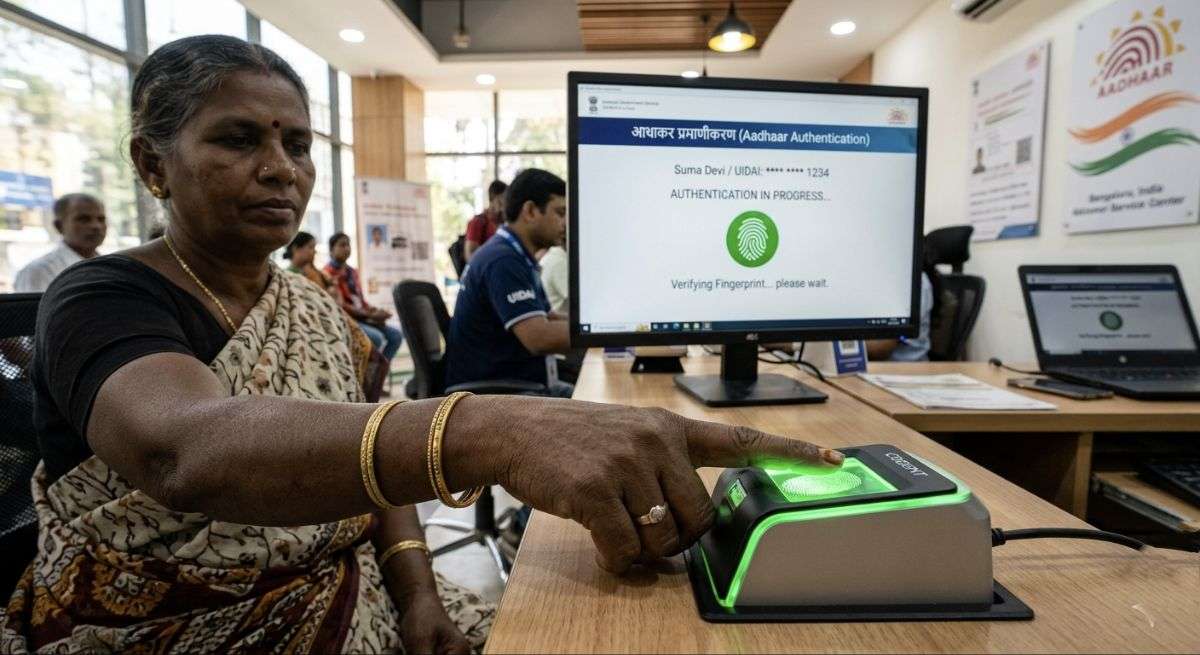
Aadhaar uses multiple biometric identifiers, including fingerprints and iris scans, ensuring high accuracy and eliminating duplicate identities.
3. Real-Time Authentication
The system allows instant identity verification, which is widely used by government and service providers.
4. Centralized Yet Scalable Infrastructure
The Aadhaar database is designed to handle large-scale operations efficiently, supporting millions of transactions daily.
Key Uses of Aadhaar in India
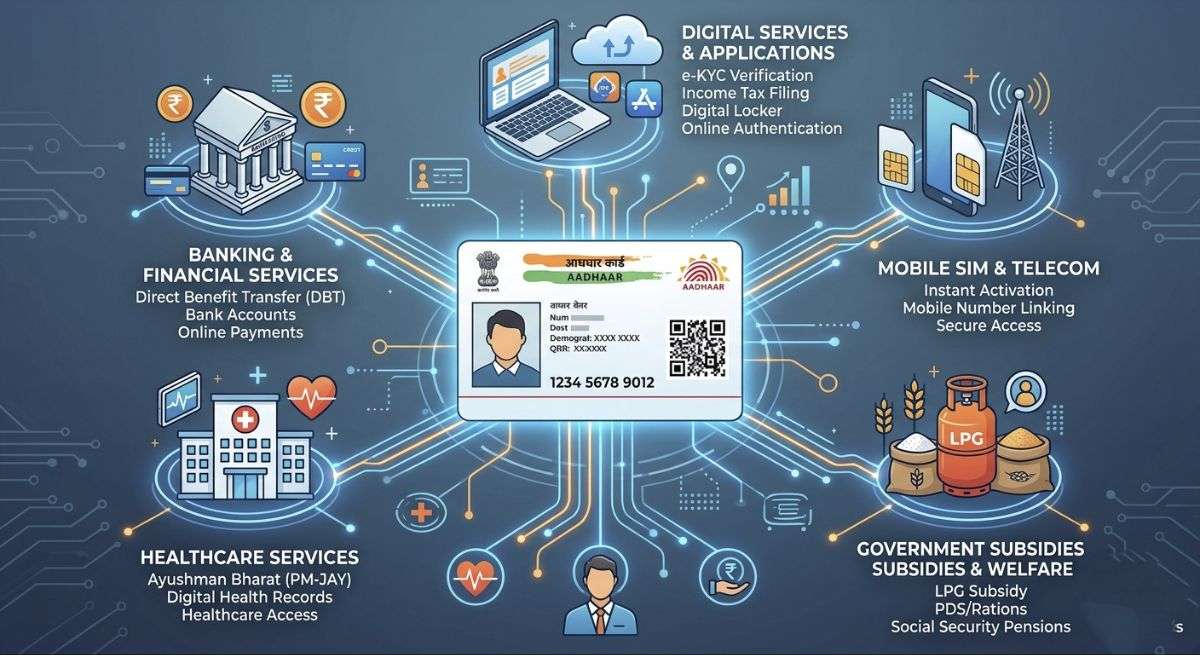
Aadhaar plays a central role in India’s digital governance ecosystem. It is widely used for:
- Opening bank accounts and completing KYC processes
- Receiving government subsidies through Direct Benefit Transfer
- Accessing welfare schemes such as food distribution and pensions
- Verifying mobile SIM cards
- Linking with PAN for tax-related services
The system helps reduce fraud, eliminate duplicate beneficiaries, and improve the efficiency of public service delivery.
Legal Status and Supreme Court Verdict
The legal framework of Aadhaar is governed by the Aadhaar Act, 2016. Its constitutional validity was upheld in the landmark Aadhaar Supreme Court Verdict 2018.
The Supreme Court ruled that:
- Aadhaar is valid and constitutional
- It can be made mandatory for government welfare schemes
- It cannot be forced for all private services
This judgment defined the boundaries of Aadhaar usage and strengthened privacy safeguards.
Security and Data Protection Measures
The government has stated that Aadhaar data is protected through multiple layers of security:
- End-to-end encryption of biometric and demographic data
- Strict access controls and authentication protocols
- Continuous monitoring and cybersecurity audits
UIDAI has maintained that the central Aadhaar database remains secure, with no confirmed breach of core biometric data.
READ THIS: New Aadhaar App Update 2026: No Physical Card Needed, QR Code Verification & Privacy Features
Global Perspective
Most countries operate identity systems based on documents or numbers without biometric integration at scale. Aadhaar stands apart due to:
- Nationwide biometric coverage
- Digital authentication infrastructure
- Integration with public and financial services
This makes Aadhaar a unique model in global digital identity discussions.
Conclusion:
Official data from UIDAI confirms that Aadhaar is the world’s largest biometric identity system. With over 130 crore users and near-universal coverage in India, it has transformed how identity is verified and services are delivered.
While debates around privacy and usage continue, Aadhaar remains a cornerstone of India’s digital infrastructure and a globally recognized example of large-scale identity management.
About The Author