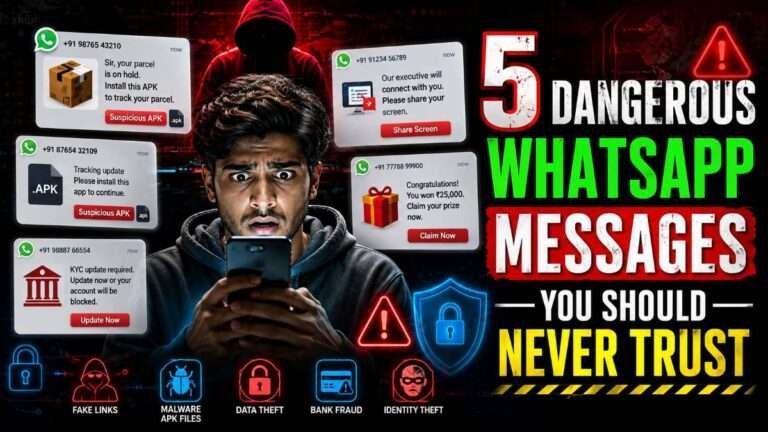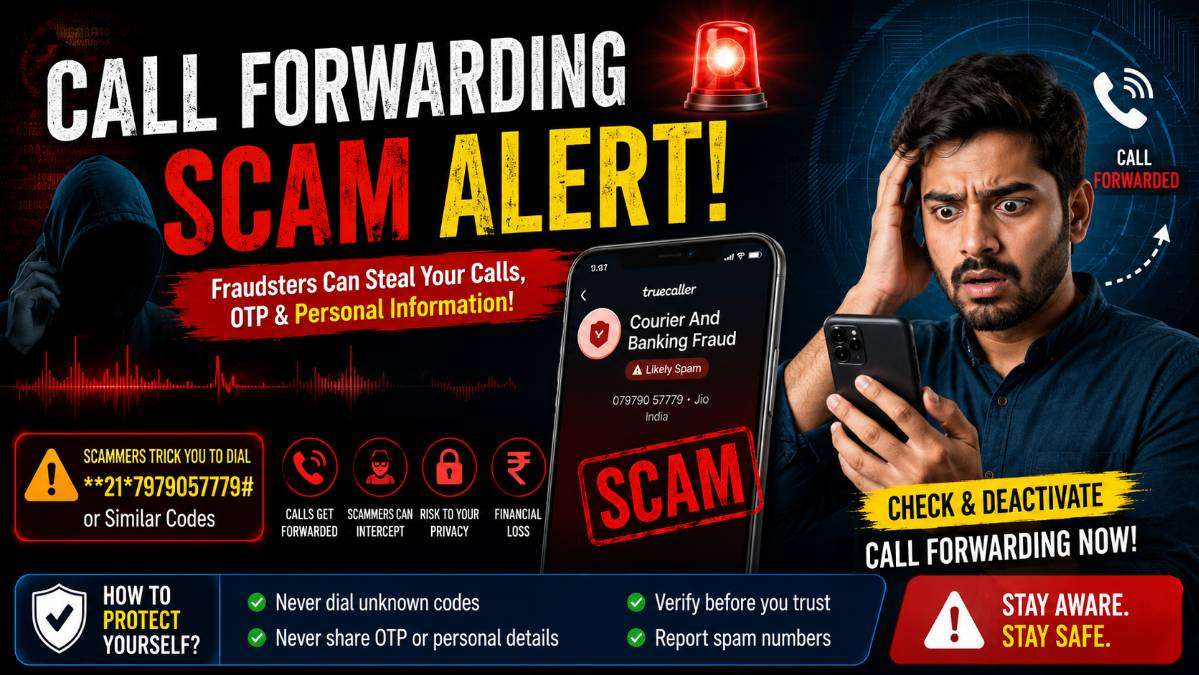
Mobile scams are becoming more advanced every day. Fraudsters no longer rely only on fake OTP messages or phishing links. One of the latest tricks involves convincing people to activate call forwarding on their phones without realizing its consequences. Many victims receive calls from people pretending to be bank executives, courier agents, telecom representatives, or customer care officials.
During the conversation, they are instructed to dial a code on their phone, claiming it is required for verification or to solve a network issue. In reality, the code may enable call forwarding, allowing incoming calls to be redirected to another number.
This article explains how call forwarding scams work, why scammers use them, how to identify warning signs, and the steps you should take to protect yourself and your family.
What Is a Call Forwarding Scam?
A call forwarding scam is a type of fraud where criminals trick victims into enabling call forwarding on their mobile number. Once activated, certain incoming calls can be redirected to another phone number controlled by the scammer. Fraudsters usually create a sense of urgency by claiming your bank account needs verification, your SIM card will be blocked, or your courier delivery requires confirmation.
They may ask you to dial a USSD code or follow instructions without explaining what the code actually does. Many people unknowingly follow these instructions because the caller sounds professional and trustworthy.
How Do Scammers Target Victims?
Fraudsters often use social engineering rather than technical hacking. They manipulate people into performing actions themselves. Common examples include:
- Pretending to be a bank employee.
- Claiming to be from a courier company.
- Impersonating a telecom customer care executive.
- Saying your KYC needs urgent verification.
- Warning that your SIM card will be deactivated.
- Offering fake cashback or reward programs.
During the conversation, they may ask you to dial a code that could activate call forwarding on your phone. Different networks and devices may use different codes, so users should never dial any code provided by an unknown caller without understanding its purpose.
Why Is Call Forwarding Dangerous?
If call forwarding is enabled without your knowledge, important incoming calls intended for you may be redirected elsewhere. In some situations, scammers may attempt to misuse forwarded calls during account verification processes.
Although many services now use SMS-based or app-based verification instead of voice calls, unauthorized call forwarding can still create security risks and inconvenience. This is why cybersecurity experts recommend verifying every instruction before making changes to your mobile settings.
Warning Signs of a Call Forwarding Scam
- The caller pressures you to act immediately.
- They refuse to let you verify their identity.
- They ask you to dial unfamiliar codes.
- They request OTPs, PINs, or banking information.
- The caller ID is marked as “Likely Spam” by caller identification apps.
- They threaten SIM suspension or bank account blockage.
If you notice any of these warning signs, end the call immediately and contact the organization through its official customer care number.
READ THIS: WhatsApp New SIM Binding Rule 2026 in India: Will WhatsApp Logout Without SIM? Full Explanation
How to Check Whether Call Forwarding Is Enabled
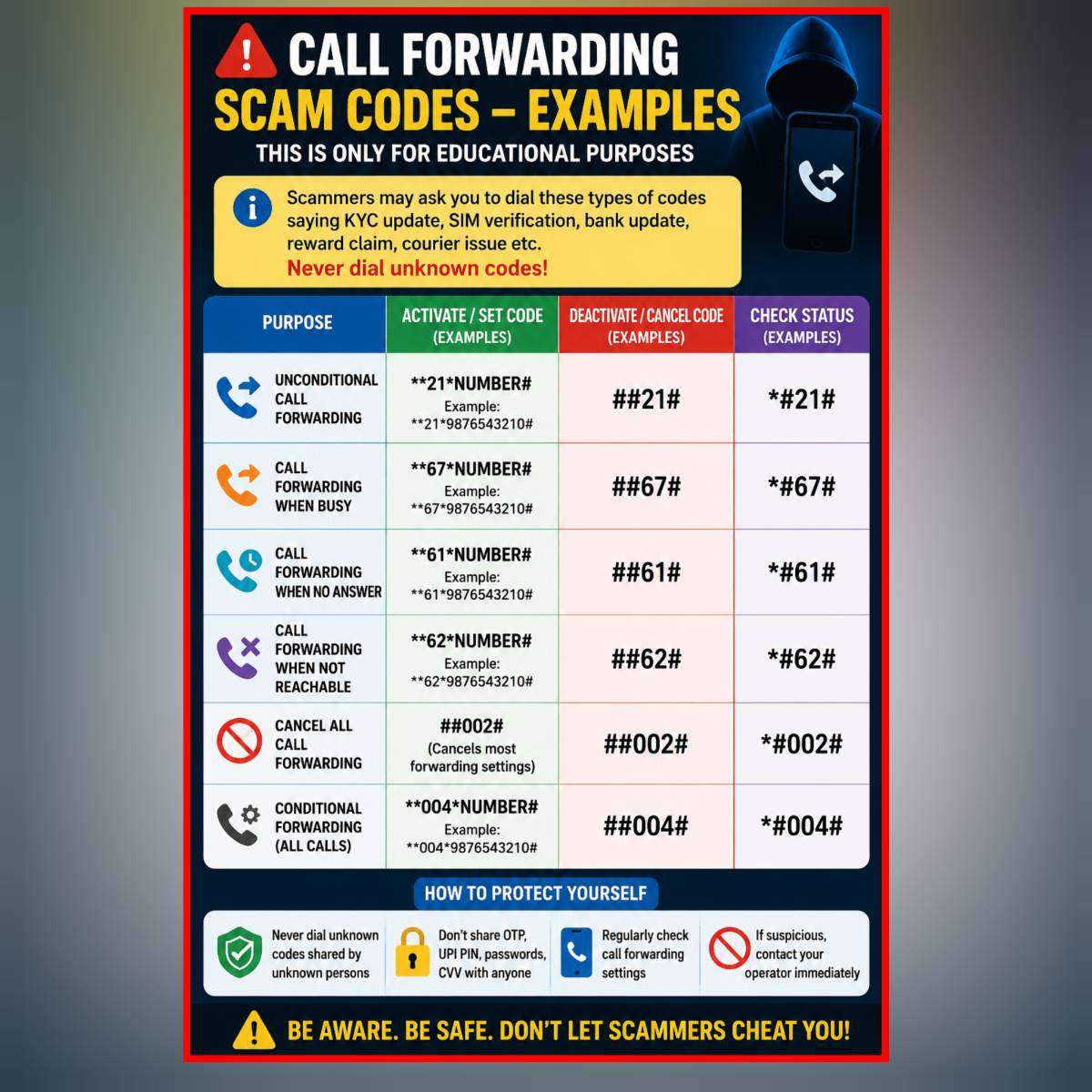
Many mobile networks allow users to check their call forwarding status using standard USSD commands or through phone settings. On supported GSM networks, users can often check forwarding status by dialing:
- *#21# – Check unconditional call forwarding.
- *#62# – Check conditional forwarding on many networks.
You can also open your Phone application and check the Call Forwarding settings directly. Keep in mind that menu names may vary depending on your smartphone model.
How to Disable Call Forwarding
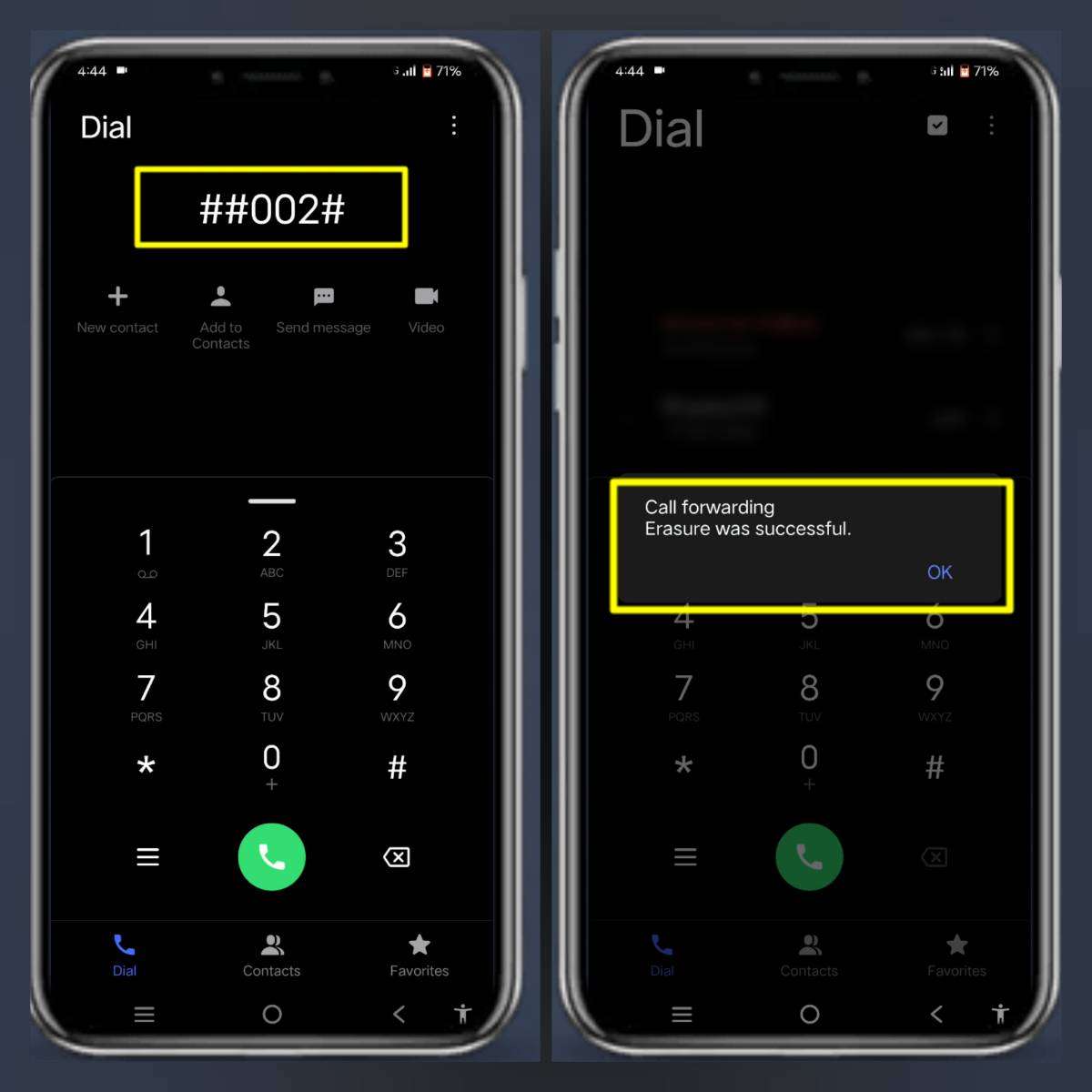
If you discover unwanted call forwarding, it can usually be disabled using supported network commands or your phone settings.
- ##21# – Cancel unconditional call forwarding on many GSM networks.
- ##002# – Cancel most call forwarding settings on supported networks.
These commands may differ depending on your telecom operator and device. If they do not work, contact your mobile service provider for assistance.
Best Practices to Protect Yourself
- Never dial codes sent by unknown callers.
- Never share OTPs, UPI PINs, passwords, or CVV numbers.
- Verify every caller claiming to represent a bank or courier company.
- Use caller identification apps carefully, but remember they are not always perfect.
- Keep your phone software updated.
- Educate family members, especially senior citizens, about these scams.
- Report suspicious numbers to your telecom operator and cybercrime authorities.
Educational Reminder
Examples of USSD codes shown in awareness campaigns are provided only for educational purposes. A specific code or phone number should not automatically be considered fraudulent without verified evidence. The safest practice is simple: never dial any unknown code unless you fully understand its function and trust the source providing it.
Conclusion
Call forwarding scams are successful because they rely on trust, fear, and urgency rather than sophisticated hacking. By staying informed, verifying unknown callers, and understanding basic mobile security features, you can significantly reduce the risk of becoming a victim.
Always question unexpected requests, avoid dialing unfamiliar codes, and contact organizations using their official customer care channels whenever you receive suspicious calls.
Cybercriminals constantly change their tactics, but awareness remains your strongest defense. Share this information with your friends and family so they can recognize these scams before it’s too late. A few minutes of awareness today could prevent financial loss and protect your personal information tomorrow.
Disclaimer: This article is published solely for educational and public awareness purposes. The information provided is intended to help readers understand how call forwarding scams may work and how to protect themselves.
Examples of USSD codes and phone numbers are used only to explain common scam techniques and should not be treated as confirmed evidence of fraud against any specific individual or number.
Features and codes may vary depending on your mobile device and telecom operator. Always verify information through official sources before taking any action. RAAD WORLD does not promote, encourage, or support any illegal activity, hacking, or misuse of telecom services.
About The Author