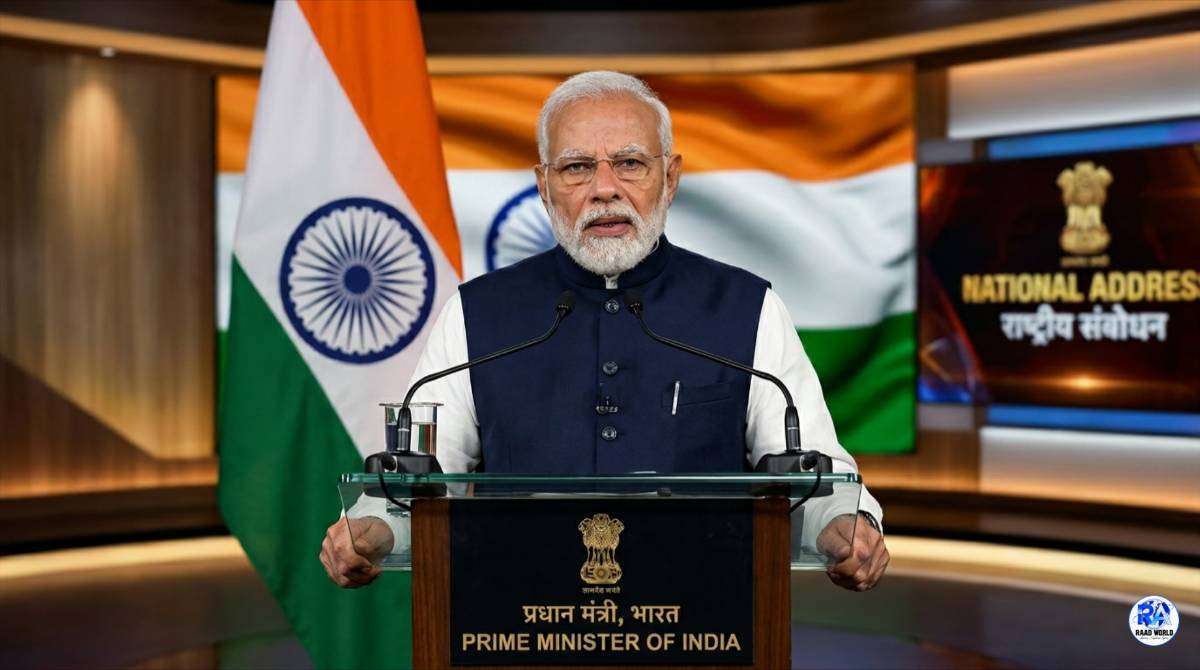
New Delhi: Prime Minister Narendra Modi addressed the nation in a significant televised speech on April 18, 2026. The address came at a politically sensitive moment following the failure of the Women’s Reservation Bill in Parliament.
Timing Details
- Start Time: 8:30 PM IST (April 18, 2026)
- End Time: Around 9:00 PM IST
- Duration: Approximately 25–30 minutes
This article presents a detailed and verified analysis of the speech, its context, key statements, and political implications.
Context Behind the Address
The national address was delivered shortly after the Women’s Reservation Bill, which proposed 33% reservation for women in Parliament, failed to secure the required majority in the Lok Sabha. The issue has remained a long-standing political and social debate in India.
The speech was widely anticipated as it followed high-level political discussions and public reactions across the country.
READ THIS: Women’s Reservation Bill 2026 Fails in Lok Sabha: Official Facts and Analysis
Key Highlights of the Speech
- The Prime Minister expressed disappointment over the failure of the bill.
- He issued a public apology to women across the country.
- He emphasized the government’s commitment to women empowerment.
- He criticized opposition parties for obstructing the bill.
- He assured continued efforts to pass the legislation in the future.
Focus on Women’s Reservation Bill
The central theme of the speech revolved around the Women’s Reservation Bill. The Prime Minister highlighted the importance of equal representation in democratic institutions and reiterated that women’s participation is essential for national progress.
He described the failure of the bill as a temporary setback rather than a permanent defeat.
Political Message and Strategy
The speech carried a strong political message targeting opposition parties. The Prime Minister accused them of engaging in “selfish politics” and delaying reforms that benefit women.
This indicates a strategic positioning ahead of future legislative efforts and possible electoral considerations.
Public and Political Reactions
The speech triggered mixed reactions across political circles and the public. Supporters praised the Prime Minister’s commitment to women empowerment, while critics questioned the handling of the bill in Parliament.
Social media platforms witnessed significant engagement, reflecting the national importance of the issue.
READ THIS: Jammu 60-Day Ban on Hate Speech & Communal Content: Rules, Reasons and Impact
Impact and Future Outlook
The address is expected to have both immediate and long-term political impact. It reinforces the government’s narrative on women empowerment while also setting the stage for future legislative attempts.
The Prime Minister’s assurance suggests that the issue will remain a key focus in upcoming political discourse.
Conclusion
The April 18, 2026 address by Prime Minister Narendra Modi was a significant political communication aimed at addressing a sensitive legislative setback. By combining apology, accountability, and political messaging, the speech attempted to reassure the public while maintaining pressure on opposition parties.
The coming months will determine whether this address translates into concrete legislative progress or remains a symbolic political statement.
About The Author