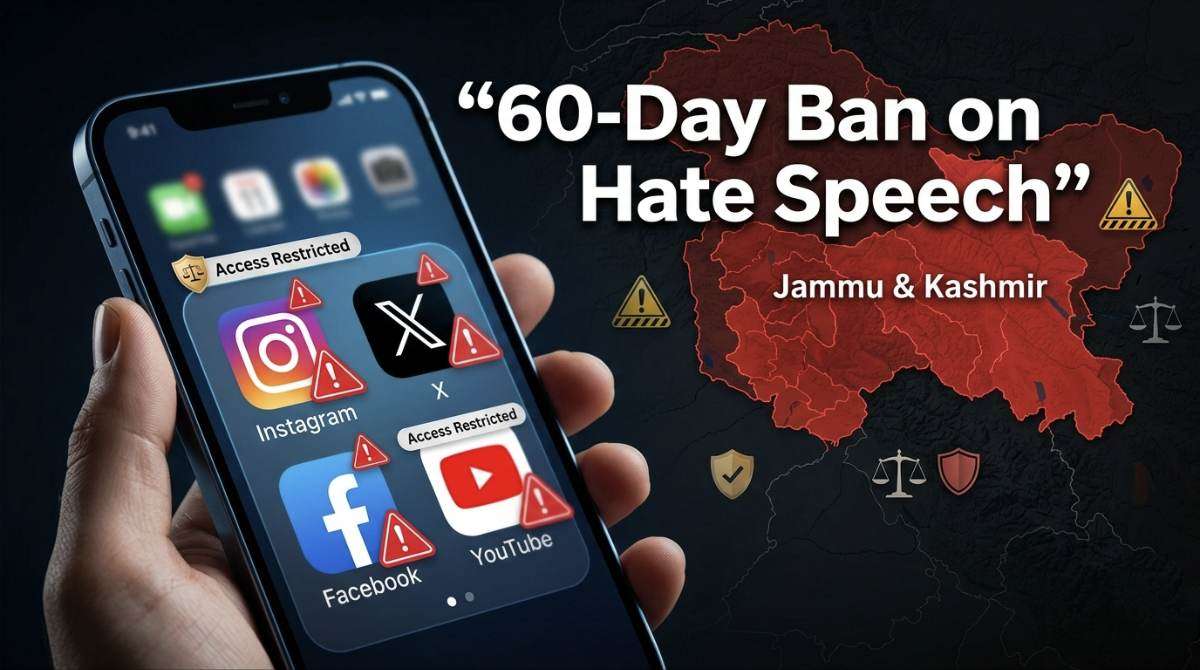
In a significant move aimed at maintaining public order, authorities in Jammu have imposed a 60-day ban on the circulation of communal content and hate speech across social media platforms.
The decision comes into effect immediately and is part of a broader effort to prevent any disturbance to peace and harmony in the region.
Why the Ban Was Imposed
The administration took this step in response to growing concerns about the spread of provocative and misleading content online. Social media has become a powerful tool for communication, but it is also often misused to spread rumors, misinformation, and messages that can create tension between communities.
READ THIS: Women’s Reservation Bill 2026 Fails in Lok Sabha: Official Facts and Analysis
Officials believe that certain posts, videos, and messages have the potential to disturb communal harmony and trigger unrest. By restricting such content, the government aims to prevent situations that could escalate into law and order problems.
What the Ban Covers
The order applies to all major social media platforms, including popular apps used for sharing text, images, and videos. The ban specifically targets Content that promotes hatred between religious or social groups.
Posts that incite violence or public disorder Messages that spread false or misleading information with the intention of creating panic Any material that could harm communal harmony
It is important to note that this is not a complete ban on social media usage. People can continue using platforms for normal communication, entertainment, and information sharing. However, they must ensure that their content does not violate the guidelines set by the authorities.
READ THIS: India’s Social Media Takedown Orders Rising: Posts on Instagram and X Under Government Scrutiny
Legal Framework Behind the Order
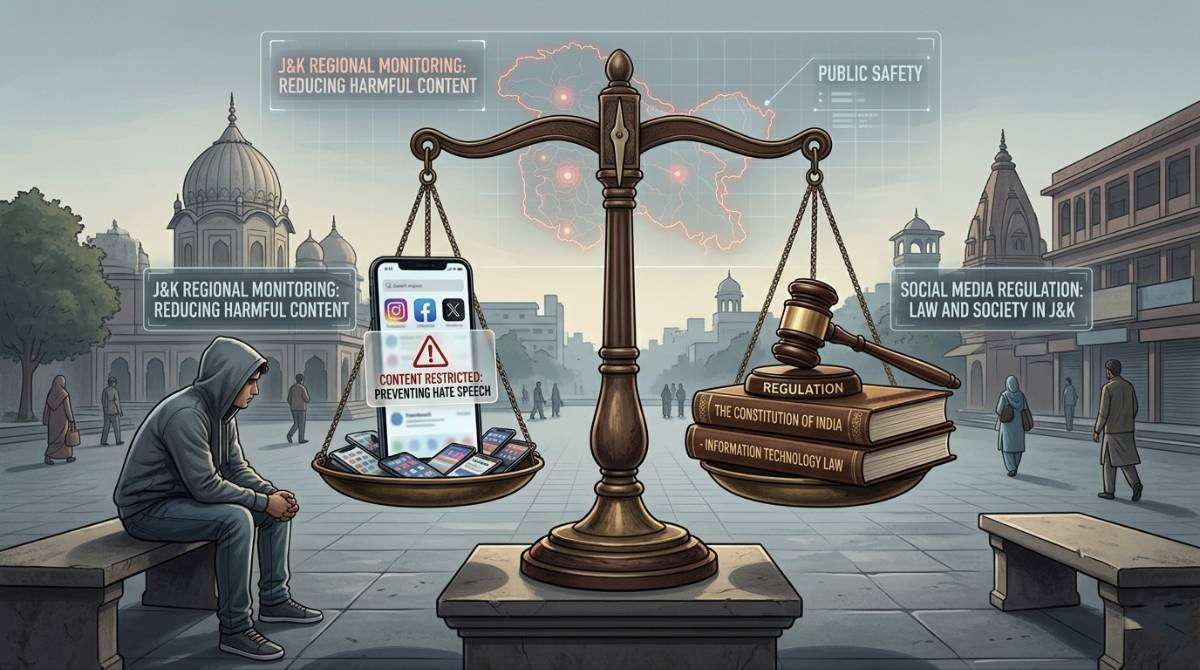
Such restrictions are generally imposed under legal provisions that allow authorities to take preventive action in sensitive situations. These laws empower local administrations to restrict activities that may pose a threat to public safety or peace.
The use of such provisions is not new and has been implemented in different parts of the country whenever there is a risk of unrest.
Impact on the Public
For ordinary users, the impact of this ban is mainly about being more cautious about what they post or share online. Forwarding unverified messages or sharing inflammatory content could lead to legal consequences.
The administration has also urged citizens to act responsibly and avoid contributing to the spread of harmful content. People are encouraged to verify information before sharing and rely on trusted sources for news.
Role of Social Media Platforms
Social media companies are expected to cooperate with authorities by monitoring and removing content that violates the rules. They may also take action against accounts that repeatedly share prohibited material.
This cooperation is essential to ensure that the purpose of the ban is effectively achieved.
READ THIS: Why Phones Are Banned in IPL Dugout: BCCI Rules Explained with Romi Bhinder Case
A Preventive Step, Not a Restriction on Freedom
While some may see this move as restrictive, officials have clarified that the intention is not to limit freedom of expression but to ensure that such freedom is not misused in a way that harms society.
Maintaining peace and stability is the priority, especially in regions where even small incidents can escalate quickly.
Conclusion
The 60-day ban on communal content and hate speech in Jammu is a preventive measure aimed at safeguarding public order. It highlights the growing need for responsible use of social media in today’s digital age.
As users, the responsibility lies with everyone to ensure that online platforms are used positively. Sharing accurate information, avoiding harmful content, and respecting community values can go a long way in maintaining peace and unity.
About The Author