Narendra Modi is one of the most influential political leaders in contemporary Indian history. From his early years in public life to leading the world’s largest democracy as Prime Minister, Modi’s political journey reflects a blend of grassroots politics, administrative reform, and long-term national vision.
His leadership has reshaped governance structures, redefined India’s global position, and influenced political discourse across decades.
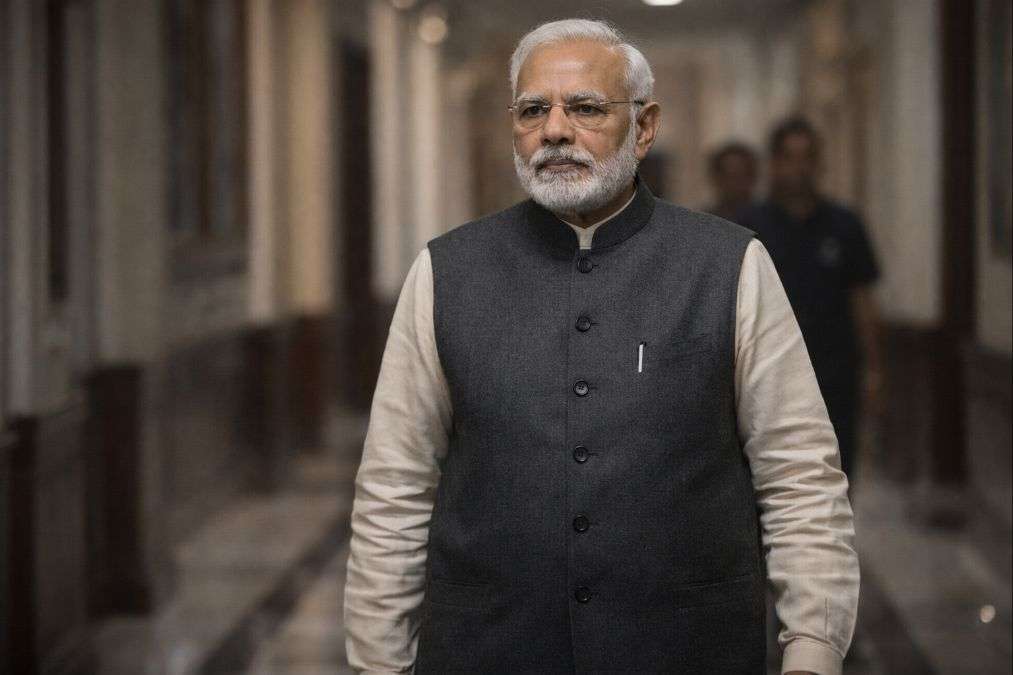
Early Life and Entry into Public Life (1950–1985)
Narendra Modi was born in 1950 in Vadnagar, Gujarat, a small town that later became symbolic of his rise in Indian politics. His early association with public service began through involvement in socio-cultural organizations during his youth.
By the late 1970s and early 1980s, Modi became actively engaged in organizational politics, gaining experience in planning, coordination, and political mobilization. These years laid the foundation for his disciplined political approach and strong organizational skills.
Rise in Gujarat Politics (1990–2013)
Key Phase: Gujarat Leadership
- 2001: Narendra Modi became Chief Minister of Gujarat
- Place: Gandhinagar, Gujarat
- Tenure: 2001–2014
During his time as Chief Minister, Gujarat witnessed large-scale infrastructure development, industrial investment, and administrative restructuring. The state’s economic model gained national attention, positioning Modi as a leader focused on governance efficiency and economic growth.
This phase is often considered the turning point that propelled Modi onto the national political stage.
Becoming Prime Minister of India (2014)
Historic National Transition
- Year: 2014
- Place: New Delhi
- Event: Sworn in as Prime Minister of India
In 2014, Narendra Modi led a decisive national mandate and assumed office as the Prime Minister of India. This moment marked a shift in India’s political landscape, with a strong emphasis on development-oriented governance, administrative reforms, and national confidence.
Governance Approach and Policy Direction (2014 -Present)
Administrative Reforms
Modi’s tenure as Prime Minister has focused on:
- Simplifying government processes
- Strengthening digital governance
- Improving public service delivery
Initiatives aimed at transparency, accountability, and technology integration became central to governance.
Economic and Infrastructure Focus
Major emphasis has been placed on:
- National infrastructure expansion
- Manufacturing and investment ecosystems
- Rural and urban development balance
Key years such as 2016, 2019, and 2021 saw structural changes in economic administration and public policy execution.
Political Leadership Style
Narendra Modi’s leadership style is characterized by:
- Clear communication with citizens
- Centralized policy execution
- Emphasis on long-term national planning
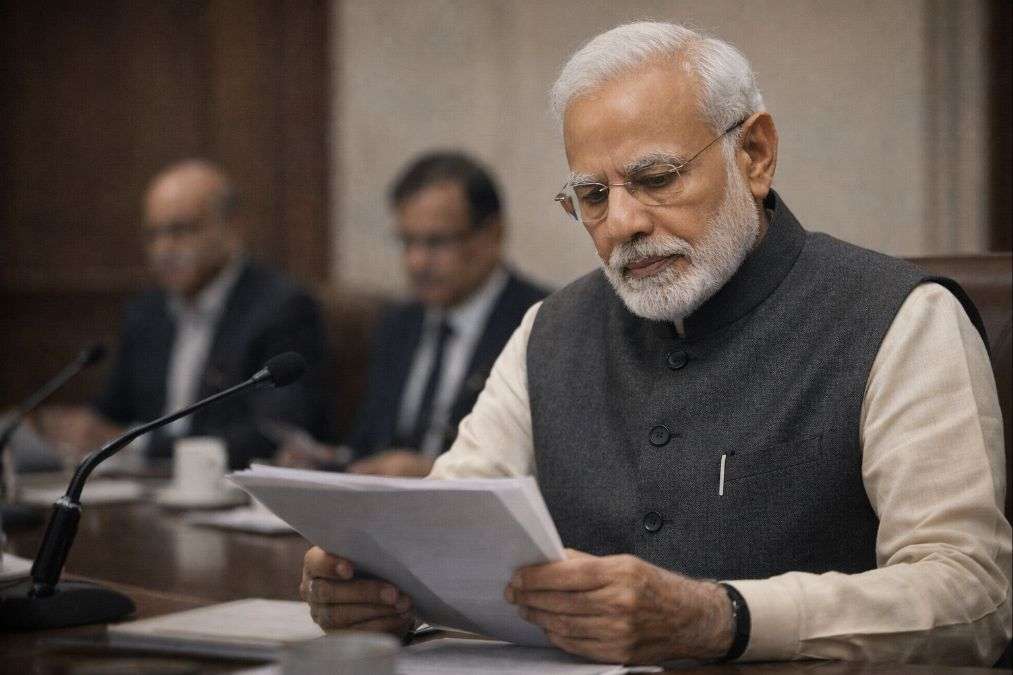
Rather than short-term political messaging, his governance approach highlights continuity, institutional reform, and measurable outcomes.
Read This Article Also: indian pm history 1947 to 2025
India’s Global Position Under Modi
From 2014 onward, India’s international engagement expanded across:
- South Asia
- Indo-Pacific region
- Global economic forums
Modi’s participation in international summits strengthened India’s visibility as a strategic and economic partner. Key diplomatic engagements took place in cities such as Washington, Tokyo, Paris, and New Delhi.
Public Discourse and Democratic Debate
Throughout his leadership, Modi’s policies have generated:
- Strong public support
- Intense political debate
These discussions reflect India’s democratic framework, where governance decisions are continuously examined by citizens, institutions, and opposition voices.
Recent Years and Policy Continuity (2022–2025)
In recent years, the focus has remained on:
- Governance stability
- Administrative modernization
- Long-term development planning
Programs and reforms introduced earlier continue to evolve, showing an emphasis on sustained implementation rather than policy reversals.
Future Outlook and National Direction
Looking ahead, the political direction associated with Narendra Modi emphasizes:
- Economic resilience
- Infrastructure readiness
- Institutional strengthening
- Youth and technology integration
The coming years are expected to build upon previous reforms, with attention to global economic shifts and domestic aspirations.
Read This Article Also:prime ministers of india
Conclusion: Narendra Modi’s political journey from Vadnagar in 1950 to New Delhi as Prime Minister represents a significant chapter in India’s democratic history.
His leadership reflects a structured approach to governance, defined by long-term planning, administrative reform, and national ambition.
As India continues to navigate economic, social, and geopolitical challenges, Modi’s role remains central in shaping policy direction and political discourse. His legacy will ultimately be assessed by how effectively today’s governance decisions translate into sustained national progress in the years ahead.
About The Author