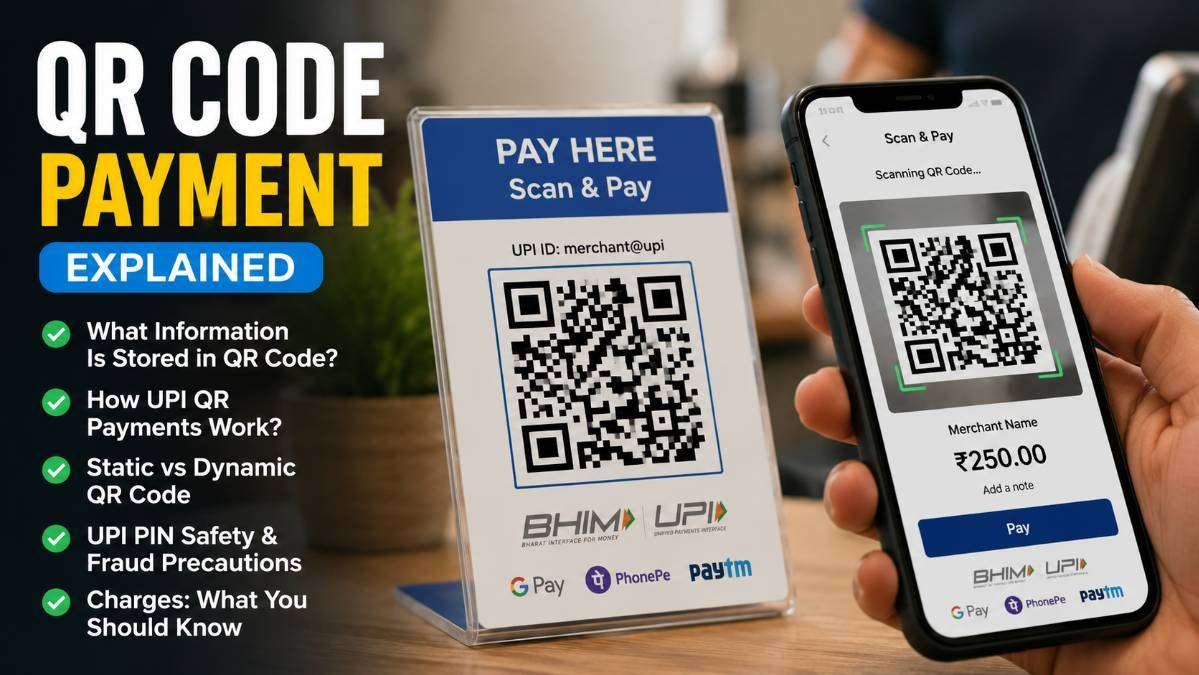
QR codes have become an everyday part of digital payments in India. From small roadside shops to supermarkets, restaurants, petrol stations and online businesses, QR codes can be seen almost everywhere. A customer can simply open a UPI application, scan the QR code and complete a payment within seconds.
Because QR payments have become so common, many people have questions about what exactly is stored inside these black-and-white squares.
Some people believe that a QR code contains bank account details, while others wonder whether the UPI PIN or other sensitive information is stored inside it.
There is also confusion about whether scanning a QR code itself transfers money or whether customers have to pay an additional charge for using it. The reality is much simpler. A QR code is a method of storing information in a format that a compatible device or application can read.
In the case of UPI payments, the information encoded in the QR helps the payment application identify the intended payee and prepare the transaction.The actual transfer of money takes place through the UPI payment system after the customer confirms and authorises the transaction.
What Is a QR Code?
QR stands for Quick Response. It is a two-dimensional code that can store information in a machine-readable form. Unlike a traditional one-dimensional barcode, a QR code can store information both horizontally and vertically.
A smartphone camera or compatible application can read the pattern and convert the encoded information into usable data. The information can be a website address, contact details, text, payment information or other data, depending on how the QR code was created.
Therefore, not every QR code contains payment information. A QR code displayed on a restaurant menu, for example, may simply open a website. A QR code displayed by a merchant for UPI payments can contain payment-related information.
What Information Is Stored in a UPI QR Code?
A UPI QR code is designed to help a payment application identify the person or merchant who should receive the payment. Depending on the type and implementation of the QR code, payment-related information can include the merchant’s UPI ID or virtual payment address, payee name, transaction-related information and, in some cases, the amount to be paid.
This information allows the UPI application to prepare the payment screen without requiring the customer to manually enter all the recipient details.
Does a QR Code Store Your UPI PIN?
No. Your UPI PIN is not something that should be stored inside a merchant’s QR code.
The UPI PIN is used by the customer to authorise eligible transactions. It is a confidential authentication credential and should never be shared with another person. A merchant, bank employee, customer-care representative or caller should never ask you to disclose your UPI PIN.
Does a QR Code Contain Your Bank Balance?
No. A merchant QR code does not contain your bank balance. Your account balance is maintained within the relevant banking system and is not stored inside the QR code that you scan at a shop.
Similarly, simply scanning a merchant QR code does not give the merchant access to your bank account balance.
How Does a UPI QR Payment Work?
The process of making a payment through a UPI QR code may appear very simple to the customer, but several systems work together in the background.
Step 1: The Customer Scans the QR Code
The customer opens a compatible UPI application and uses the scan option. The smartphone camera reads the QR pattern and extracts the payment-related information encoded in it.
Step 2: The Payment Details Are Displayed
The application processes the QR information and displays the relevant payment details. Depending on the QR and transaction type, the customer may see the merchant’s name, UPI ID and amount.
This is an important stage because customers should always check the recipient details before authorising a payment.
Step 3: The Customer Enters or Confirms the Amount
With some static QR codes, the customer needs to enter the amount manually. With certain dynamic QR codes, the amount can already be included in the QR information.
This is one of the key differences between static and dynamic QR payment systems.
Step 4: The Customer Authorises the Transaction
After checking the payment details, the customer confirms the transaction using the authentication method required by the payment system. For normal UPI bank-account payments, the UPI PIN is commonly used for authorisation.
Step 5: The Payment Is Processed
The transaction is processed through the UPI ecosystem involving the relevant banks, payment service providers and NPCI infrastructure. If the transaction is successful, the customer and merchant receive the appropriate payment confirmation.
Static QR and Dynamic QR: What Is the Difference?
Not all merchant QR codes work in exactly the same way. Static and dynamic QR codes are two important concepts in merchant payments.
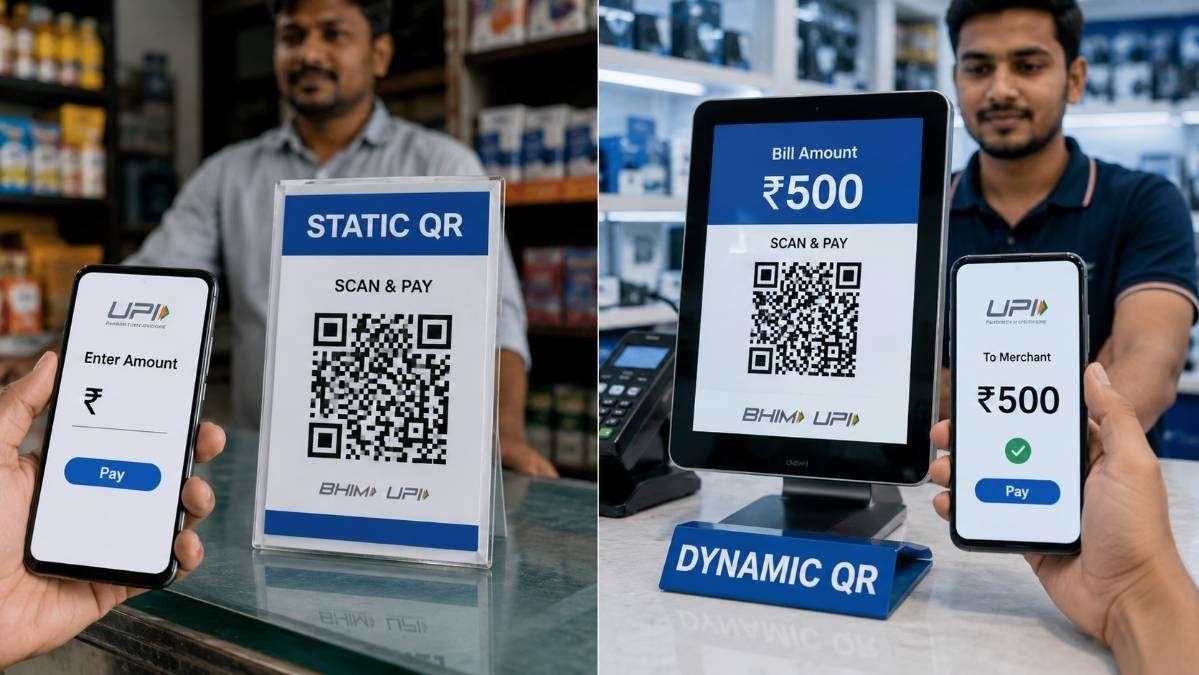
Static QR Code
A static QR code generally contains the merchant’s payment identification details. The same QR can be displayed permanently at a shop counter or on a printed board.
When a customer scans a static QR, the customer may need to enter the amount manually before confirming the payment.
This type of QR is convenient for businesses because the merchant does not necessarily need to generate a new QR for every individual transaction.
Dynamic QR Code
A dynamic QR code can be generated for a particular payment transaction. Depending on the implementation, it can include additional transaction information such as the amount and a transaction reference.
AI-generated image by RAAD WORLD
For example, if a customer purchases products worth ₹500, a merchant’s billing system can generate a QR code associated with that transaction. When the customer scans it, the payment application can display the relevant amount and payment details.
Dynamic QR codes can therefore reduce the possibility of customers entering an incorrect amount manually, although customers should still verify the details before making the payment.
READ THIS: National Flag Adoption Day 2026 History, Significance, Facts and the Story Behind India Tiranga
Does Scanning a QR Code Automatically Deduct Money?
No. Scanning a QR code and making a payment are two different actions.
Scanning allows the payment application to read the information encoded in the QR. The payment is completed only after the customer proceeds with the transaction and provides the required authorisation.
This distinction is important because people sometimes believe that simply pointing a phone camera at a QR code can immediately deduct money from their bank account. That is not how a normal UPI payment works.
Are QR Code Payments Free?
There is also considerable confusion about QR payment charges. For normal UPI transactions made using a bank account, NPCI’s published information states that customers do not pay a transaction charge simply for making a UPI payment.
However, it is important not to treat every transaction involving a QR code as identical. Different payment instruments and transaction arrangements can have different rules. For example, UPI can also be used with eligible RuPay credit cards, and other payment products may have their own applicable arrangements.
Therefore, the statement that every QR payment is either always charged or always free is too broad. The payment method and transaction type matter.
Can a QR Code Be Used for Fraud?
The QR technology itself is not inherently dangerous, but scammers can misuse QR codes just as they can misuse links, phone numbers and other digital tools.
One common warning sign is a person telling you to scan a QR code and enter your UPI PIN to receive money. Customers should be extremely careful in such situations.
A person generally does not need your UPI PIN simply to send money to you. The UPI PIN is used to authorise payments from your account. It should therefore remain confidential.
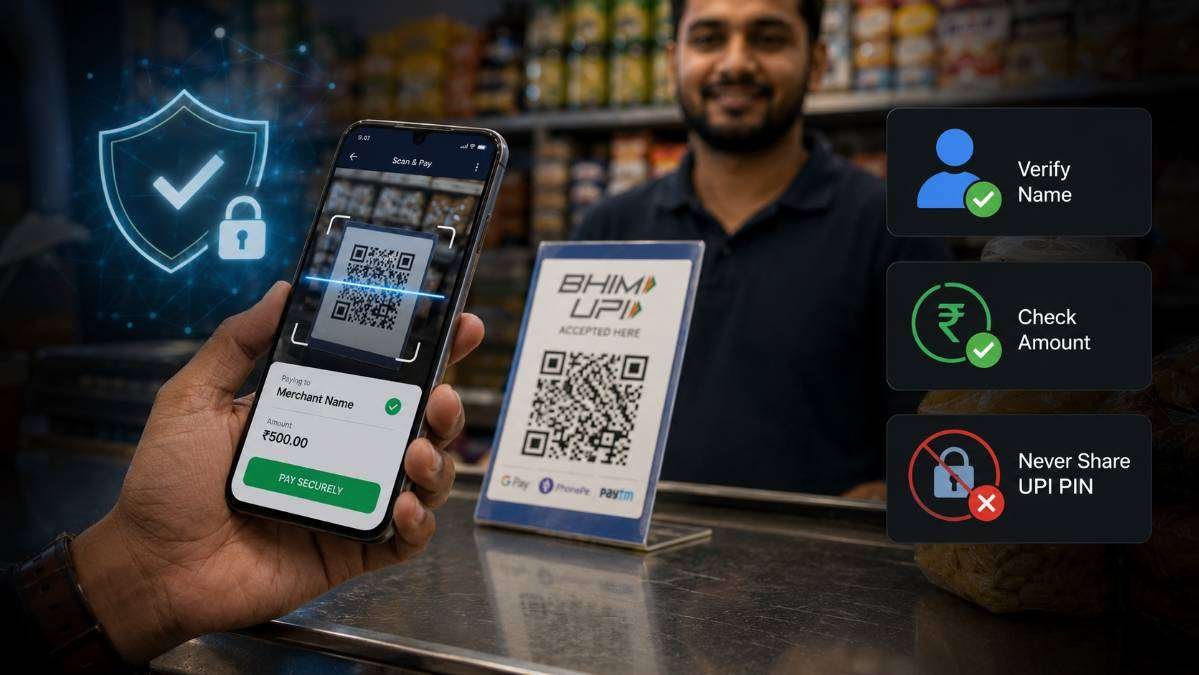
Important QR Payment Safety Tips
- Always verify the recipient’s name before confirming a payment.
- Check the amount carefully before entering your UPI PIN.
- Never share your UPI PIN with anyone.
- Do not enter your UPI PIN merely because someone claims that you need it to receive money.
- Be careful when scanning QR codes received through unknown messages or social media.
- Do not approve a payment request that you did not initiate or understand.
- Use trusted and updated banking or UPI applications.
- If you notice an unauthorised transaction, contact your bank and the appropriate payment support channel immediately.
READ THIS: Call Forwarding Scam Explained How Fraudsters Trick Mobile Users & How to Stay Safe
QR Codes Are Used for More Than Payments
Although QR codes have become strongly associated with UPI payments in India, their use is much broader.
Businesses use QR codes to open websites, display menus, provide product information, share contact information and facilitate other digital services. Payment systems can also use different QR implementations depending on the technology and payment network involved.
RBI has documented the use of QR-based payment infrastructure in India’s digital-payment ecosystem, including UPI QR and other QR-based payment arrangements.
AI-generated image by RAAD WORLD
READ THIS: Tiger Tongue Explained Amazing Facts, Structure, Functions & Scientific Insights
UPI Is Also Moving Beyond Traditional QR Scanning
Digital payments are continuing to evolve. QR scanning is no longer the only way a phone can interact with a merchant payment system.
NPCI has introduced UPI Tap & Pay, which uses NFC technology to allow compatible devices to interact with supported merchant payment infrastructure. This can provide another convenient way for customers to initiate UPI payments without relying entirely on traditional camera-based QR scanning.
This development shows how India’s digital-payment ecosystem is gradually moving towards faster and more convenient payment experiences.
Why QR Payments Have Become So Popular in India
One major reason for the popularity of QR payments is their simplicity. A merchant does not necessarily need expensive point-of-sale equipment to accept a digital payment through a QR code. A printed QR board can be sufficient for many small businesses.
For customers, the process is also straightforward. Instead of remembering or manually typing long banking details, the customer can scan the QR and allow the payment application to identify the intended recipient.
QR payments have therefore helped bring digital payment acceptance to businesses of different sizes, including small shops and individual service providers.
What Customers Should Remember
The most important point is that a QR code is simply an information carrier. It does not itself contain your money, and scanning it does not automatically transfer money from your account.
In a UPI payment, the QR helps identify the payment destination and, depending on the QR type, can provide additional information such as the amount and transaction reference. The actual transaction is processed through the UPI ecosystem and requires the applicable customer authorisation.
Customers should therefore focus less on the appearance of the QR code and more on the payment details shown by their UPI application before confirming the transaction.
Conclusion
QR codes have transformed the way millions of people make digital payments in India. What looks like a simple pattern of black and white squares can contain structured information that allows a payment application to identify a merchant and prepare a transaction.
However, several myths surrounding QR codes need to be cleared up. A normal merchant QR code does not contain your UPI PIN or bank balance. Scanning a QR code does not automatically deduct money from your account. The customer must review the transaction and provide the required authorisation before an eligible UPI payment is completed.
The difference between static and dynamic QR codes is also important. Static QR codes can be reused and often require the customer to enter the amount, while dynamic QR codes can carry transaction-specific information, including the amount in supported implementations.
As India’s digital-payment ecosystem continues to develop, QR codes will remain an important part of everyday transactions. At the same time, customers should stay alert to scams and never disclose their UPI PIN or approve transactions they do not understand.
In short, the QR code is only the starting point of the payment process. The actual payment happens through the underlying digital-payment infrastructure after the customer verifies and authorises the transaction.
About The Author